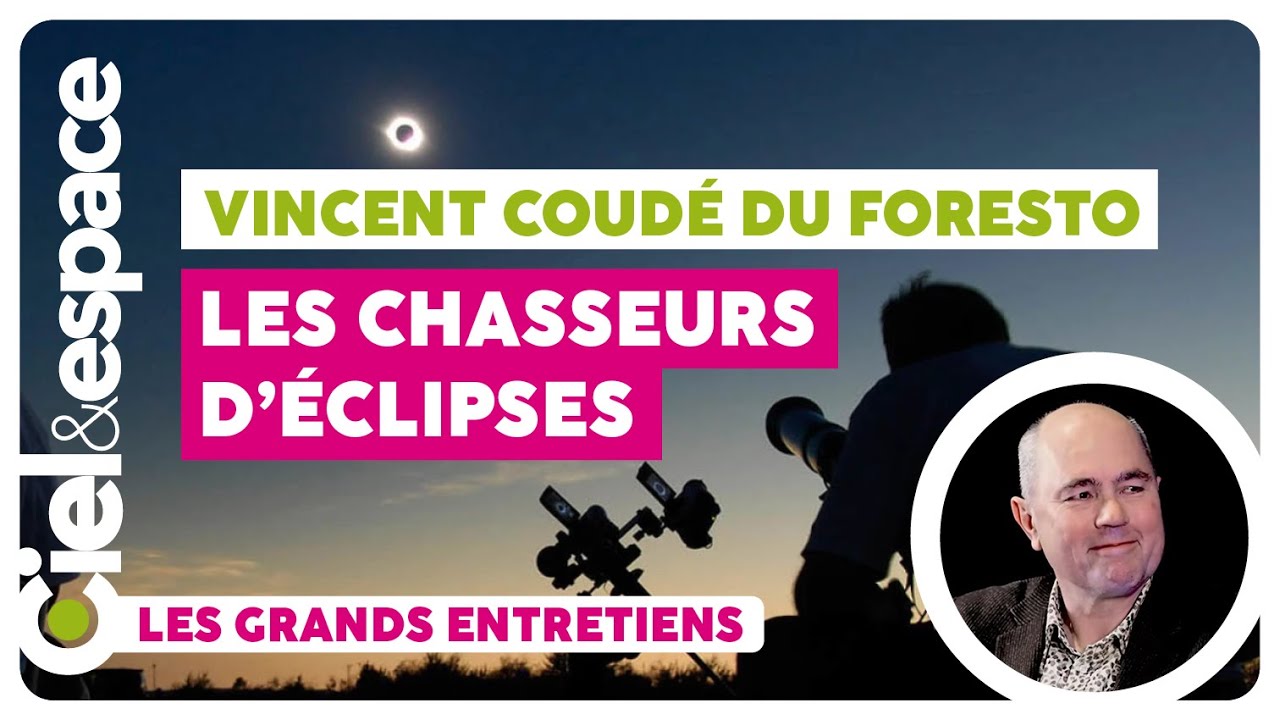
2026 : l'année de l'éclipse !
Keywords
Summary
Critical Evaluation
The strength of the video lies in its ability to engage viewers through storytelling while maintaining scientific rigor. The host and guest discuss the logistics of eclipse chasing, including travel planning, weather considerations, and equipment, which is practical for aspiring eclipse observers. The documentary also touches on the cultural and historical aspects, referencing ancient interpretations and modern scientific contributions. However, the video lacks explicit citations of peer-reviewed studies or specific data sources, which limits its utility for academic research. The information presented is generally accurate and aligns with established astronomical knowledge, but the absence of references makes it difficult to verify specific claims.
From a critical perspective, the documentary could benefit from more quantitative data, such as maps of the eclipse path, duration of totality, and statistical probabilities of cloud cover. While the personal anecdotes are engaging, they sometimes overshadow the scientific content. The video does not address potential controversies or alternative viewpoints, which is acceptable given its documentary nature. The production quality is high, with clear visuals and audio, though the thumbnail and title may oversimplify the content. Overall, the video is a valuable resource for public understanding of the 2026 eclipse, but it is not a substitute for academic literature. It scores well in terms of accessibility and expert opinion, but less so in formal scientific rigor.
Key Moments
- Introduction to the 2026 total solar eclipse and its path across Europe.
- Explanation of the geometry of solar eclipses and the Moon's shadow.
- Historical significance of eclipses, including the 1919 test of general relativity.
- Personal experiences of eclipse chasers and the emotional impact of totality.
- Practical advice for observing the 2026 eclipse: locations, weather, and equipment.
- Discussion of scientific research conducted during eclipses, such as coronal studies.
Cited Sources
Contribution & Novelties
Radar Profile
The radar profile shows high scores in quantity and quality of information, reflecting the documentary's comprehensive coverage and expert input. The technical level is moderate, suitable for a general audience, while reliability is strong due to the astronomer's credentials. The overall shape indicates a well-balanced, informative piece with minor limitations in formal scientific rigor.