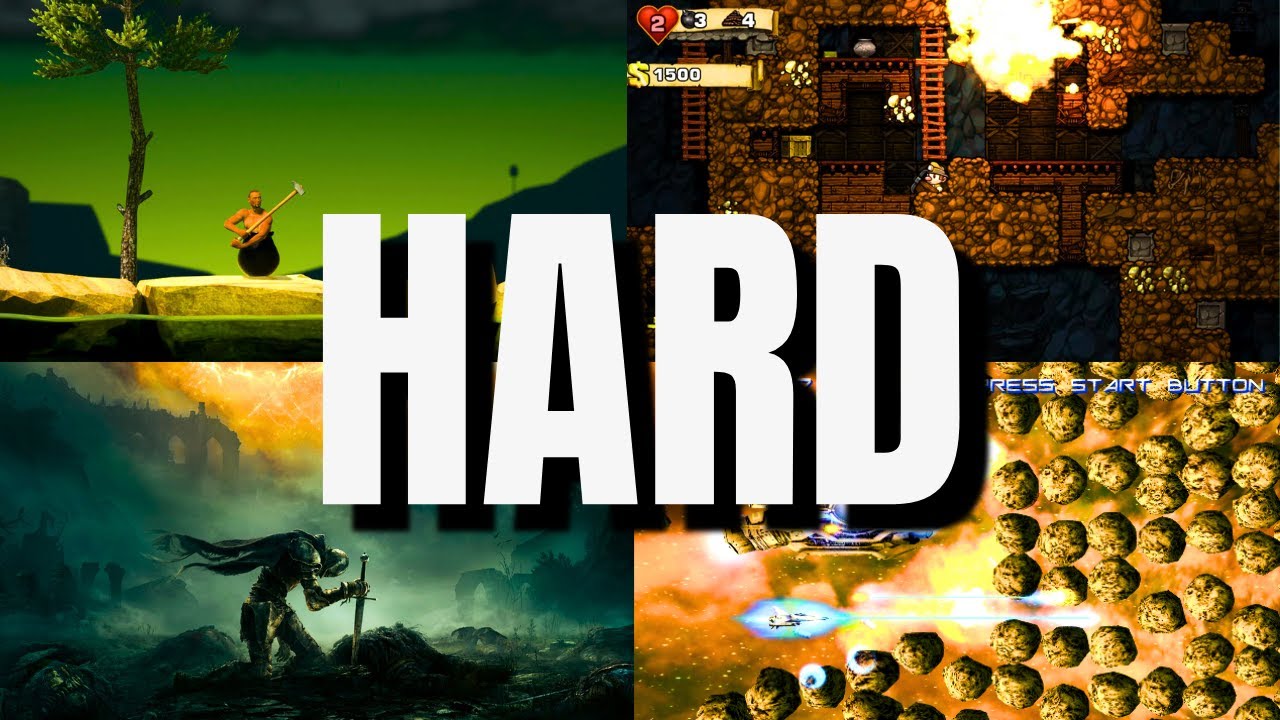
The Design Philosophy of Hard Games | An Aesthetic Theory of Difficulty and Agony
Keywords
Summary
185 words
Critical Evaluation
Value of the Information & Strength of the Argument
The video offers a valuable synthesis of existing theories and designer perspectives, providing a coherent framework for understanding difficulty in games. The argumentation is solid, building from philosophical definitions to concrete examples and designer quotes. The creator effectively uses contrasts (Rayman vs Celeste) to illustrate different types of difficulty and supports his claims with references to academic works and GDC talks. The reasoning is logical and well-structured, though it remains an opinion piece rather than empirical research.
Scientific Rigor, Source Quality, Title Accuracy
The video demonstrates scientific rigor by grounding its arguments in established game studies literature (Suits, Juul, Caillois, Sutton-Smith) and citing designer talks from GDC and other sources. The sources are credible and relevant, though some are not directly linked in the description. The title accurately reflects the content, and the video stays on topic throughout. The creator also acknowledges the subjective nature of his perspective, which adds to the credibility.
162 words
Title / Content Match
The title accurately reflects the content, which explores the design philosophy and aesthetic theory behind hard games.
Quality & Reliability
8/10
The video is a well-structured essay that draws on established game studies literature (Suits, Juul, Caillois, Sutton-Smith) and designer talks (Derek Yu, Bennett Foddy, Hugo Martin, Jonathan Blow). The arguments are coherent and supported by concrete game examples, though it is primarily an opinion piece rather than empirical research.
Chapters
Cited Sources
- Trolling for Dummies — Referenced as a guide to trolling in Mario Maker, illustrating the meticulous design of 'troll levels'.
- No Pain No Game - Bennett Foddy — Bennett Foddy discusses embracing negative emotions like frustration and shame in game design.
- Jonathan Blow - Truth in Game Design — Jonathan Blow talks about using challenge to explore systems and challenge player preconceptions.
- Put Your Name on Your Game - Bennett Foddy GDC — Bennett Foddy discusses the intimate connection between player and game, and the role of difficulty.
- Designing Doom Eternal with Hugo Martin — Hugo Martin explains the 'fun zone' and how difficulty forces players to engage with the game's systems.
- One More Run: Designing Spelunky 2 - Derek Yu GDC — Derek Yu discusses the design of Spelunky 2, including the analogy of hard games to spicy food.
Concurring Sources
- The Art of Failure by Jesper Juul — Juul's book on failure in games aligns with the video's discussion of catharsis and player experience.
- Man, Play and Games by Roger Caillois — Caillois' taxonomy of play, including agon, supports the video's theory of agony.
Contribution & Novelties
The video contributes a nuanced aesthetic theory of difficulty, distinguishing between various ‘flavors’ (Fiero, unfairness, punishment, BS) and arguing that difficulty can be a deliberate design tool for thematic and systemic depth. It synthesizes existing literature and designer insights into a coherent framework, offering a fresh perspective on why players engage with hard games.
Pour aller plus loin :
- The Art of Failure by Jesper Juul — A key book on failure in games, referenced in the video.
- Roger Caillois - Man, Play and Games — Introduces the concept of agon, central to the video’s theory.
- Bernard Suits - The Grasshopper — Defines games as voluntary obstacles, foundational to the discussion.
- Brian Sutton-Smith - The Ambiguity of Play — Discusses rhetorics of play, including ‘play as fate’.
- Fiero (psychology) — The feeling of triumph after overcoming adversity, a key concept in the video.
143 words
Radar Profile
The radar profile shows high scores across all dimensions, indicating a well-rounded and reliable video. The highest scores are in information quality and reliability, reflecting the use of credible sources and coherent arguments. The slightly lower score in technical level suggests the content is accessible to a broad audience while still offering depth.