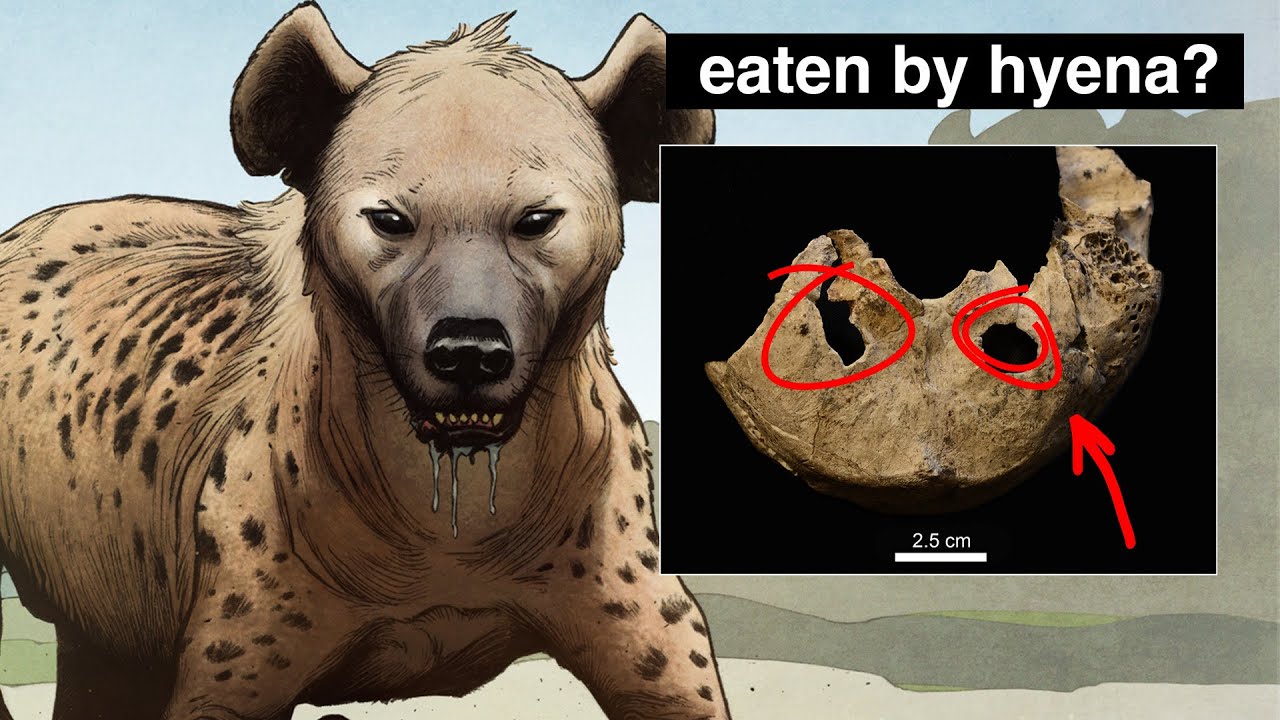
Prehistoric Europe was absolutely metal
Keywords
Summary
163 words
Critical Evaluation
Value of the Information & Strength of the Argument
The video provides a valuable synthesis of archaeological evidence for violence in European prehistory, presenting a range of well-documented case studies. The argumentation is solid, as the creator consistently references specific academic papers and clearly distinguishes between established findings and more speculative interpretations. The narrative is engaging and effectively conveys the complexity of prehistoric life, avoiding sensationalism while still highlighting the ‘metal’ aspects. The inclusion of multiple time periods and geographic locations strengthens the overall argument that violence was a persistent feature of prehistoric societies.
Scientific Rigor, Source Quality, Title Accuracy
The video demonstrates strong scientific rigor by basing its content on peer-reviewed studies, with direct links provided in the description. The creator is transparent about uncertainties and alternative explanations, such as the debate over the Ofnet Cave skulls. The title accurately reflects the content, which focuses on violent and macabre aspects of prehistory. The video’s structure, with clear chapters, aids comprehension. The creator also acknowledges the potential for YouTube censorship, indicating a commitment to factual presentation over sensationalism.
178 words
Title / Content Match
The title accurately reflects the video's focus on violent and macabre aspects of European prehistory, presented in an engaging and 'metal' style.
Quality & Reliability
8/10
The video is based on peer-reviewed archaeological studies, with sources provided in the description. The creator clearly distinguishes between established findings and hypotheses, and acknowledges uncertainties. The content is well-researched and presented with appropriate caveats.
Chapters
Cited Sources
- Dmanisi hominin skull D2280 — Source for the Dmanisi skull with blunt force trauma and hyena bite marks.
- Neanderthal cannibalism at Goyet Cave — Study on Neanderthal remains showing butchery marks.
- Ofnet Cave head burials — Research on the Mesolithic skull deposits at Ofnet Cave.
- Teviec and Hoedic burials — DNA analysis of Mesolithic remains from Teviec and Hoedic.
- Neolithic deviant burials — Study on Neolithic deviant burials in Western Europe.
- Charterhouse Warren butchered remains — Paper on Early Bronze Age butchered human remains from Charterhouse Warren.
- Charterhouse Warren paper (Antiquity) — The 'Darker angels of our nature' paper on Charterhouse Warren.
Concurring Sources
- Dmanisi hominin skull D2280 — Supports the interpretation of blunt force trauma and hyena predation.
- Neanderthal cannibalism at Goyet Cave — Confirms butchery marks on Neanderthal remains.
- Ofnet Cave head burials — Supports the interpretation of warlike conflict in the Mesolithic.
- Teviec and Hoedic burials — Provides DNA evidence for the Mesolithic population.
- Neolithic deviant burials — Supports the hypothesis of ritual sacrifice.
- Charterhouse Warren butchered remains — Provides evidence of butchery and possible cannibalism.
- Charterhouse Warren paper (Antiquity) — Details the analysis of the remains.
Dissenting Sources
- Alternative interpretations of Ofnet Cave — Some researchers suggest the skull deposits may be secondary burials rather than evidence of conflict.
External References
Contribution & Novelties
The video synthesizes recent archaeological findings on violence in European prehistory, presenting them in an accessible and engaging format. It highlights lesser-known sites like Charterhouse Warren and Alken Enge, and connects them to broader themes of human nature and societal development. The creator’s personal commentary adds a unique perspective, making the content both informative and thought-provoking.
Pour aller plus loin :
- Cannibalism in prehistory — Overview of archaeological evidence for cannibalism.
- Gundestrup cauldron — Detailed information on the artifact and its iconography.
- Alken Enge — Site of the Iron Age battlefield mentioned in the video.
- Yersinia pestis — The bacterium responsible for plague, relevant to the Charterhouse Warren discussion.
109 words
Radar Profile
The radar profile shows high scores in information quantity and quality, with a strong technical level. The reliability is also high, reflecting the use of peer-reviewed sources. The video excels in providing a comprehensive overview of prehistoric violence, with a balanced approach to evidence.
💬 Très positif. Les 30 commentaires analysés montrent un enthousiasme marqué pour le contenu, avec des éloges sur la qualité de la production, l'humour et la profondeur des sujets, ainsi que des discussions engageantes sur les thèmes abordés.