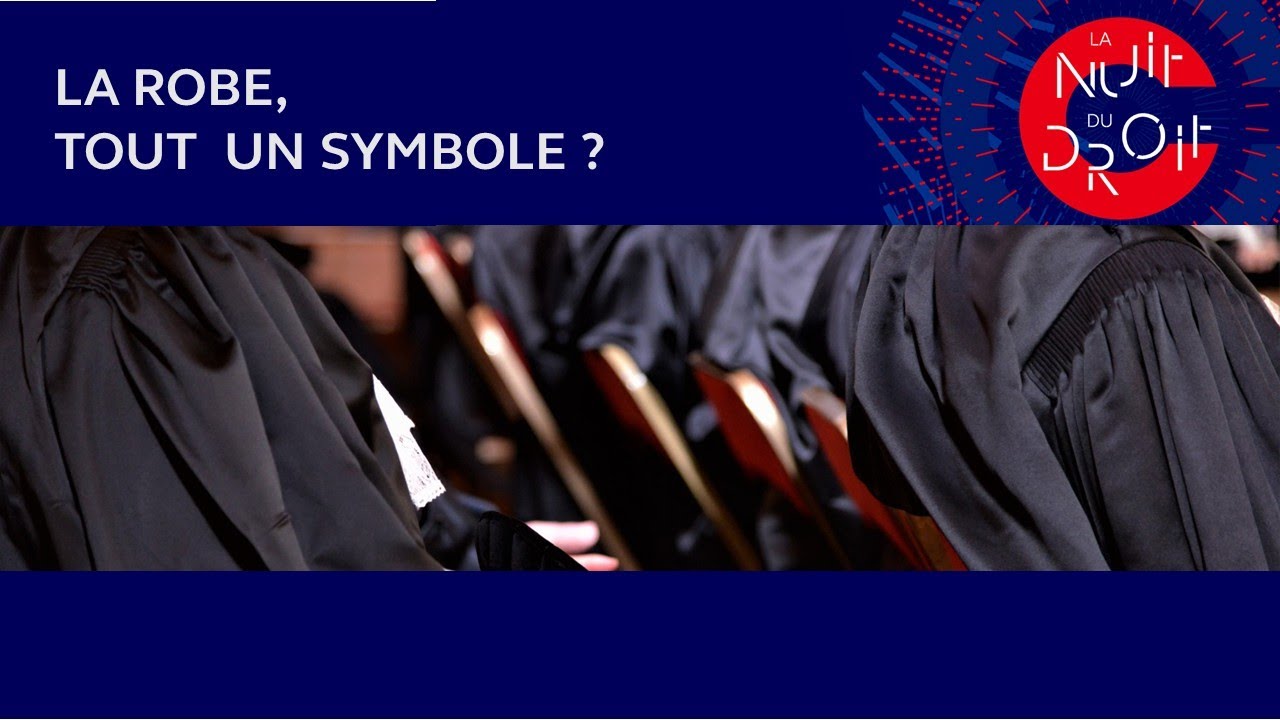
La Nuit du droit à la Cour des comptes
Keywords
Summary
174 words
Critical Evaluation
Value of the Information & Strength of the Argument
The video provides valuable insights into the symbolic and practical roles of judicial robes, drawing on historical context and personal experiences. Pierre Moscovici’s arguments are well-reasoned, balancing tradition with necessary adaptation. Eric Ruf’s theatrical perspective enriches the discussion, highlighting the costume’s power to convey meaning and authority. The roundtable offers diverse viewpoints, though some arguments are more anecdotal than systematically argued. Overall, the argumentation is solid, but it lacks empirical evidence or comparative analysis.
Scientific Rigor, Source Quality, Title Accuracy
The content is scientifically rigorous in its historical references and institutional context, though it does not cite external academic sources. The speakers are credible authorities in their fields. The title accurately reflects the content, and the video is well-structured with clear chapters. The discussion is balanced, presenting both traditional and progressive views on the robe’s role. No external sources are cited, but the institutional authority of the speakers lends credibility.
159 words
Title / Content Match
The title accurately reflects the content: a special event for the Nuit du droit, hosted at the Cour des comptes, focusing on the symbolism of judicial robes.
Quality & Reliability
8/10
The video features high-level institutional speakers, including the First President of the Cour des comptes and a renowned theater director, discussing the symbolic role of judicial robes. The content is well-structured, historically grounded, and offers multiple perspectives. However, it is primarily a debate and reflection rather than a rigorous academic study, and no external sources are cited.
Chapters
Contribution & Novelties
The video offers a unique interdisciplinary perspective on judicial robes, combining institutional history, personal reflections, and theatrical insights. It contributes to the ongoing debate on the modernization of judicial symbols.
Pour aller plus loin :
- Symbolism of judicial robes — Provides background on the historical use of wigs and robes in common law jurisdictions.
- The role of ceremonial dress in institutions — Explores the broader context of ceremonial clothing in various institutions.
- Pierre Moscovici — Biographical information on the First President of the Cour des comptes.
86 words
Radar Profile
The radar profile shows high scores in quality and reliability, moderate in quantity and technical level, reflecting a well-informed but non-technical discussion. The balance between tradition and modernity is evident, with a strong institutional perspective.