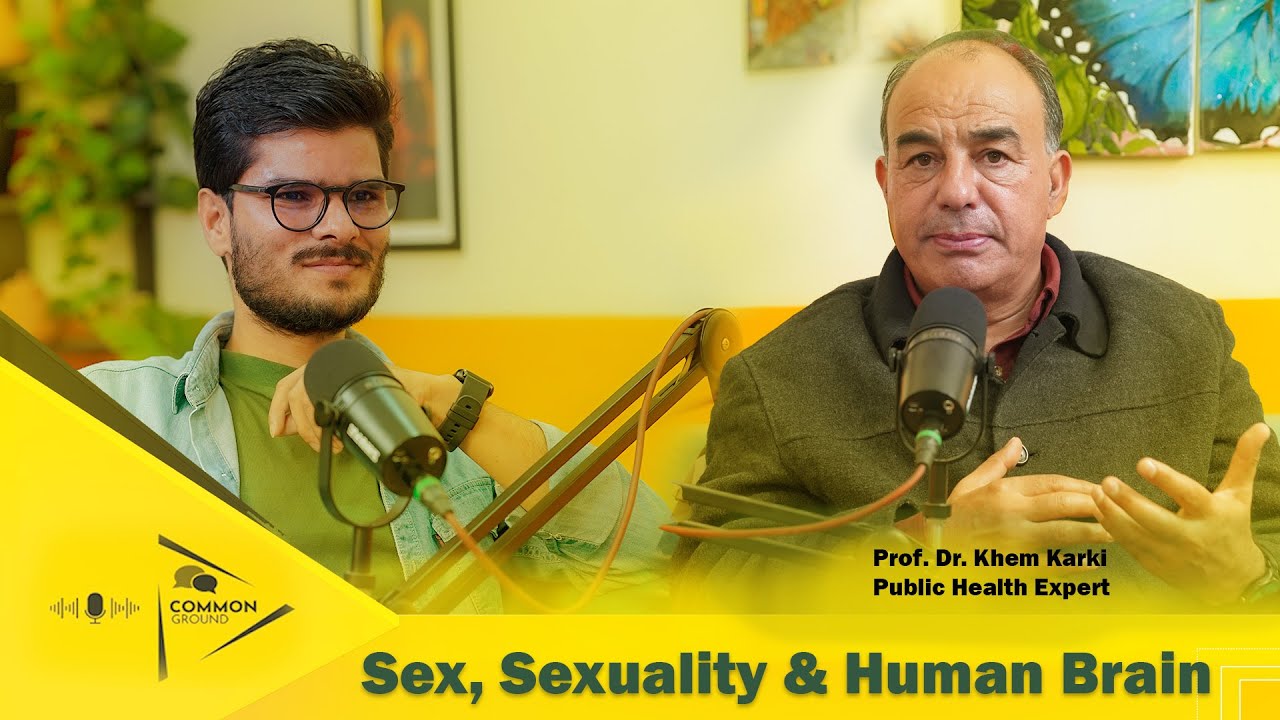
बदलिदाे यौन व्यवहार। Sex, Sexuality & Our Social Reality। Common Ground with Dr. Khem Karki EP04
Keywords
Summary
174 words
Critical Evaluation
Value of the Information & Strength of the Argument
The value of the information lies in the expert’s extensive experience and his ability to contextualize sexual health issues within Nepal’s social and historical framework. He provides a nuanced argument that the stigma around sex is a social construct that has evolved over time, and he supports this with examples from history and his own professional work. The argumentation is coherent and persuasive, though it relies heavily on personal anecdotes and general observations rather than empirical data. The discussion is insightful for understanding the cultural barriers to sexual health in Nepal, but it lacks rigorous scientific backing.
Scientific Rigor, Source Quality, Title Accuracy
The scientific rigor is moderate; the expert cites historical events and international conferences like the ICPD, but does not provide specific references or studies. The quality of sources is limited to the expert’s own knowledge and experience, which, while valuable, is not systematically verifiable. The title accurately reflects the content, and the discussion stays on topic throughout. No comments were provided, so no analysis of public trends is possible.
181 words
Title / Content Match
The title accurately reflects the content, which discusses changing sexual behaviors and the social reality of sex and sexuality in Nepal.
Quality & Reliability
7/10
The discussion is based on the expert's professional experience in public health and reproductive health, but lacks systematic citations or references to specific studies. The arguments are coherent and grounded in historical and social context, but the lack of verifiable sources and the subjective nature of personal anecdotes reduce the overall reliability.
Chapters
- 01:30 Intro: Setting the Context
- 11:56 Views on Reproductive Health
- 28:14 Sex, Shame & Adolescence: Then to Now
- 39:50 Sex Education: Life Skill or Classroom Subject?
- 50:45 Smartphones & Changing Sexual Behavior
- 58:34 i-Pill in Nepal: Access, Awareness & Use
- 59:25 Changing Relationship Patterns
- 1:04:28 Pornography & Young Minds
- 1:11:58 Why Infertility Is Rising
- 1:19:08 Men’s & Women’s Sexual Health
- 1:23:06 Sexual Consent in Nepal
- End What Young People Must Learn
Cited Sources
- ICPD Programme of Action — Mentioned as the 1994 International Conference on Population and Development in Cairo, which declared reproductive health a fundamental human right.
Concurring Sources
- WHO Comprehensive Sexuality Education — Supports the argument that sexuality education should be a life skill and is important for health.
Contribution & Novelties
This video provides a unique perspective on sexual health in Nepal, combining personal narrative with professional expertise. It highlights the historical evolution of sexual norms and the impact of technology and globalization on sexual behavior. The discussion on the need for comprehensive sexuality education as a life skill is particularly valuable.
Pour aller plus loin :
- Comprehensive Sexuality Education — WHO’s framework for CSE, relevant to the discussion on sex education.
- Sexual and Reproductive Health and Rights — UNFPA’s overview, directly related to the topics of reproductive health and rights.
- HIV/AIDS in Nepal — UNAIDS country page, providing data on HIV/AIDS, which was a key driver for open discussion on safe sex.
112 words
Radar Profile
The radar profile shows high scores in quantity of information and moderate in quality and technical level, indicating a broad but not deeply technical discussion. The reliability score is moderate, reflecting the expert's authority but lack of citations.