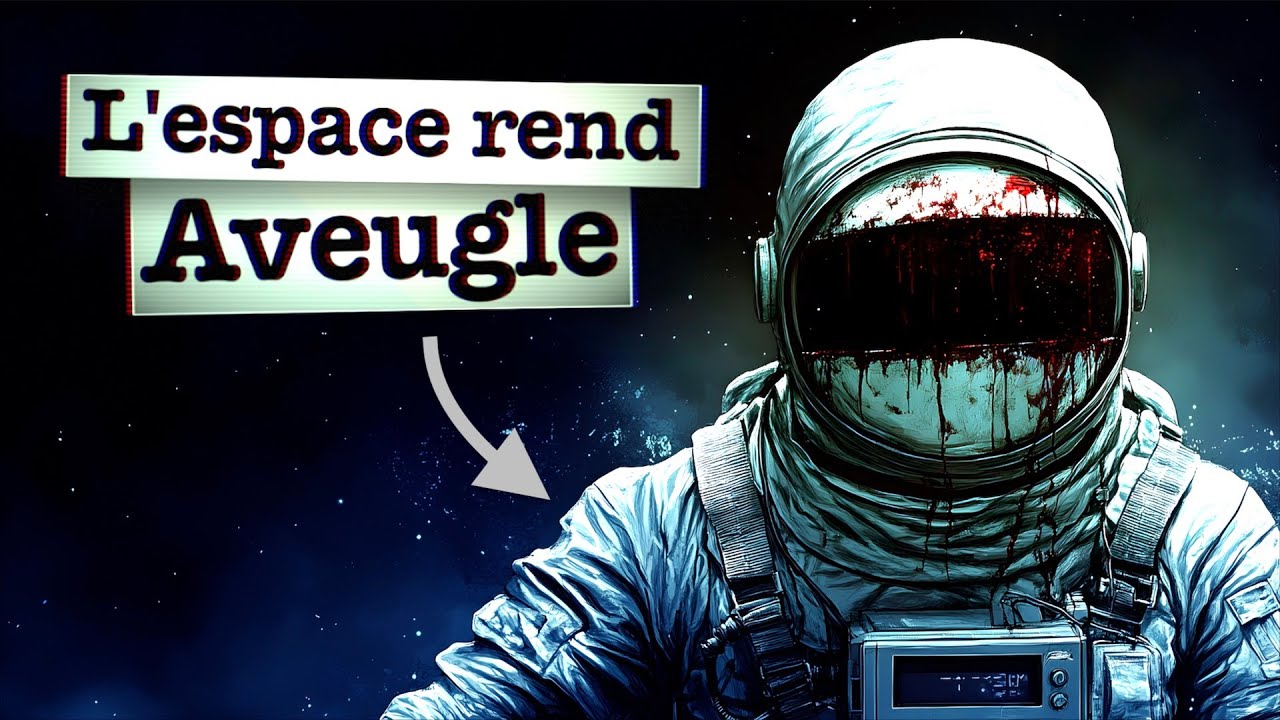
La MALADIE étrange qui touche les Astronautes
Keywords
Summary
119 words
Critical Evaluation
Value of the Information & Strength of the Argument
The video provides valuable information about a lesser-known health risk in space exploration, effectively raising awareness. The argumentation is solid, building from a specific case study to broader scientific understanding, and includes references to recent missions like Polaris Dawn. The explanations are clear and accessible, making complex medical concepts understandable. The video also addresses future implications, strengthening its relevance.
Scientific Rigor, Source Quality, Title Accuracy
The video demonstrates scientific rigor by citing reputable sources, including Wikipedia, National Geographic, and ScienceAlert. The information is presented accurately, with appropriate caveats about ongoing research. The title accurately reflects the content, focusing on the strange syndrome affecting astronauts. The video maintains a high standard of factual accuracy, though some simplifications are made for a general audience.
131 words
Title / Content Match
The title accurately reflects the content, focusing on the strange syndrome affecting astronauts.
Quality & Reliability
8/10
The video is well-researched, citing credible sources such as Wikipedia, National Geographic, and ScienceAlert. It presents scientific findings accurately, with clear explanations of the syndrome and its implications. Minor simplifications for a general audience do not detract from overall reliability.
Chapters
Cited Sources
- Spaceflight associated neuro-ocular syndrome - Wikipedia — Background information on SANS
- John L. Phillips - Wikipedia — Biographical details of the astronaut featured
- Ciel & Espace - Abonnement — Partnership and promotional offer
- National Geographic - NASA astronauts' eyeballs flattened — Article on the syndrome
- ScienceAlert - We finally know why astronauts lose their vision in space — Article explaining the cause and implications
- Washington Post - The mysterious syndrome impairing astronauts' eyesight — Article on the syndrome's impact
- Le Fond Vidéo - YouTube — Background video referenced
Concurring Sources
- NASA - Spaceflight Associated Neuro-ocular Syndrome — NASA's official information on SANS
Contribution & Novelties
The video provides a comprehensive and engaging overview of SANS, making it accessible to a broad audience. It highlights the case of John Phillips as a pivotal example and discusses the implications for future space missions, particularly Mars. The inclusion of recent research and potential countermeasures adds value.
Pour aller plus loin :
- Spaceflight associated neuro-ocular syndrome — Detailed medical background.
- Microgravity effects on human body — Broader physiological impacts.
- Artificial gravity — Concept for future missions.
- Polaris Dawn mission — Recent mission testing eye health devices.
87 words
Radar Profile
The radar profile shows high scores across all dimensions, indicating a well-rounded and reliable video. The balance between information quantity, quality, technical depth, and reliability is strong, with no significant weaknesses.
💬 Très positif. Sur les 30 commentaires analysés, les spectateurs expriment un enthousiasme marqué pour la qualité de la vidéo, la diction du créateur et la pertinence du sujet, certains mentionnant une découverte du syndrome.