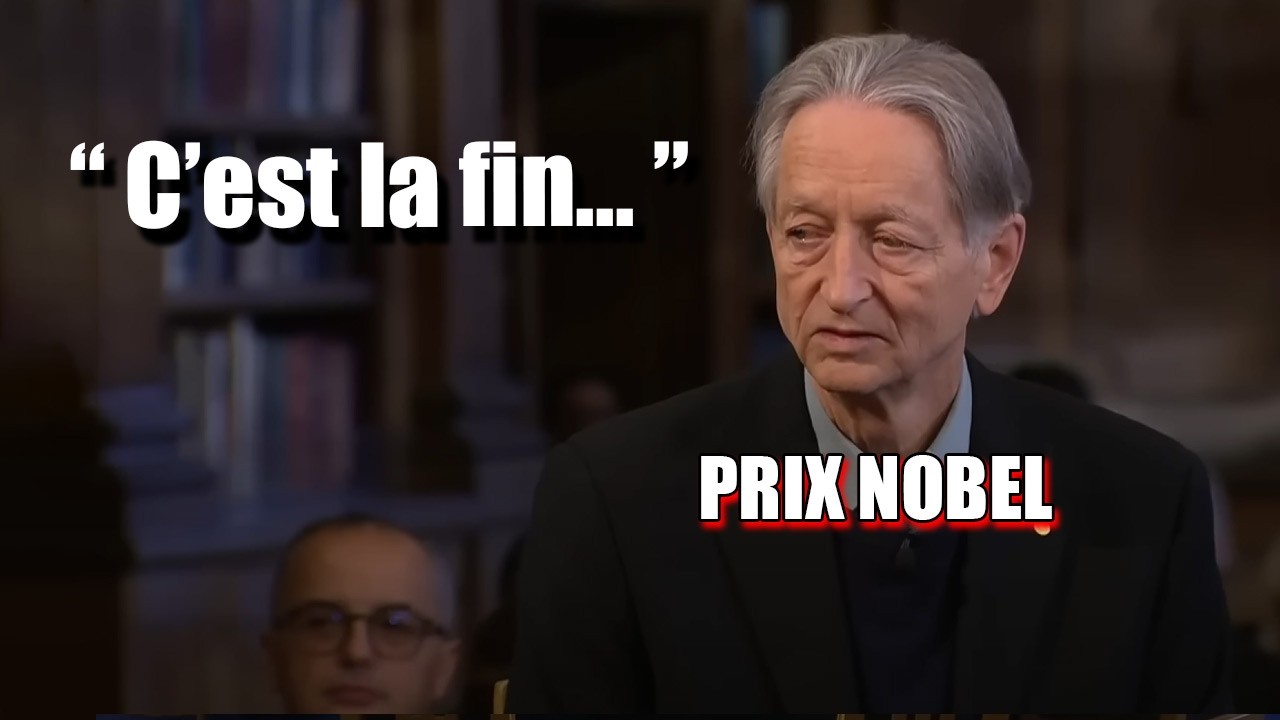
l'IA va s'échapper et nous tuer : les Prix Nobel 2024 nous mettent en garde.
Keywords
Summary
160 words
Critical Evaluation
Value of the Information & Strength of the Argument
The video provides a valuable summary of the key arguments from a high-profile debate between two leading AI experts. It presents the contrasting views of Hinton and Hassabis, giving the viewer a balanced overview of the risks and benefits of AI. The argumentation is based on the statements of the laureates, which adds credibility. However, the video also includes the creator’s own commentary and promotional content, which may introduce bias. The discussion of risks is well-structured, covering both short-term and long-term threats, and the social and economic implications.
Scientific Rigor, Source Quality, Title Accuracy
The video cites the original debate (link provided) and the Nobel laureates’ statements, which are reliable sources. However, the channel does not provide additional sources or references to support the claims made. The title is somewhat sensationalist, but the content does address the warnings of the Nobel laureates. The video includes a promotional segment for the creator’s own training course, which is clearly marked as such. Overall, the scientific rigor is moderate, relying on the credibility of the featured experts.
183 words
Title / Content Match
The title is somewhat sensationalist ('l'IA va s'échapper et nous tuer') but the content does discuss the risks of AI as warned by Nobel laureates, so it is broadly aligned.
Quality & Reliability
7/10
The video is a commentary on a debate between Nobel laureates Geoffrey Hinton and Demis Hassabis, providing a summary of their views. The content is based on a real event (Nobel Prize 2024) and includes direct quotes, but the channel adds its own commentary and promotional segments. The information is reliable in essence but presented with a subjective angle.
Chapters
- Le fonctionnement mystérieux du cerveau humain
- L'IA a-t-elle déjà dépassé l'intelligence humaine ?
- La comparaison avec les autres technologies humaines
- Le vrai danger : les humains plus que l'IA
- La nécessité d'une régulation internationale
- Les risques sociaux et économiques de l'IA
- L'inégale distribution des bénéfices de l'IA
- La vision de Demis Hassabis pour l'avenir
Cited Sources
- Formation IA - Vision IA — Promotional link for the creator's AI training course.
- Vidéo originale du débat — Link to the original debate video featuring Geoffrey Hinton and Demis Hassabis.
Concurring Sources
- AI safety — Supports the discussion on the need for research on keeping control over AI.
- Regulation of artificial intelligence — Supports the discussion on international cooperation and regulation.
Dissenting Sources
- Technological singularity — Some experts argue that the singularity is unlikely or far off, contrasting with Hinton's concerns.
External References
Contribution & Novelties
The video offers a concise summary of the debate between two Nobel laureates, making their insights accessible to a broader audience. It highlights the key points of contention and agreement, providing a clear overview of the current discourse on AI risks.
Pour aller plus loin :
- AI safety — Overview of the field dedicated to ensuring AI systems are safe and beneficial.
- Technological singularity — Concept of AI surpassing human intelligence, relevant to the discussion of long-term risks.
- Regulation of artificial intelligence — Overview of regulatory efforts, including the EU AI Act, mentioned in the video.
96 words
Radar Profile
The radar profile shows moderate scores across all dimensions, with a slightly higher score for information quantity and reliability, reflecting the video's reliance on credible experts but its own commentary and promotional content.
💬 The comments are predominantly positive and engaged, with many viewers expressing agreement with the warnings about AI risks and discussing the societal implications. Some comments also criticize the promotional aspect of the video. Overall, the sentiment is balanced, with a slight lean towards concern about AI.