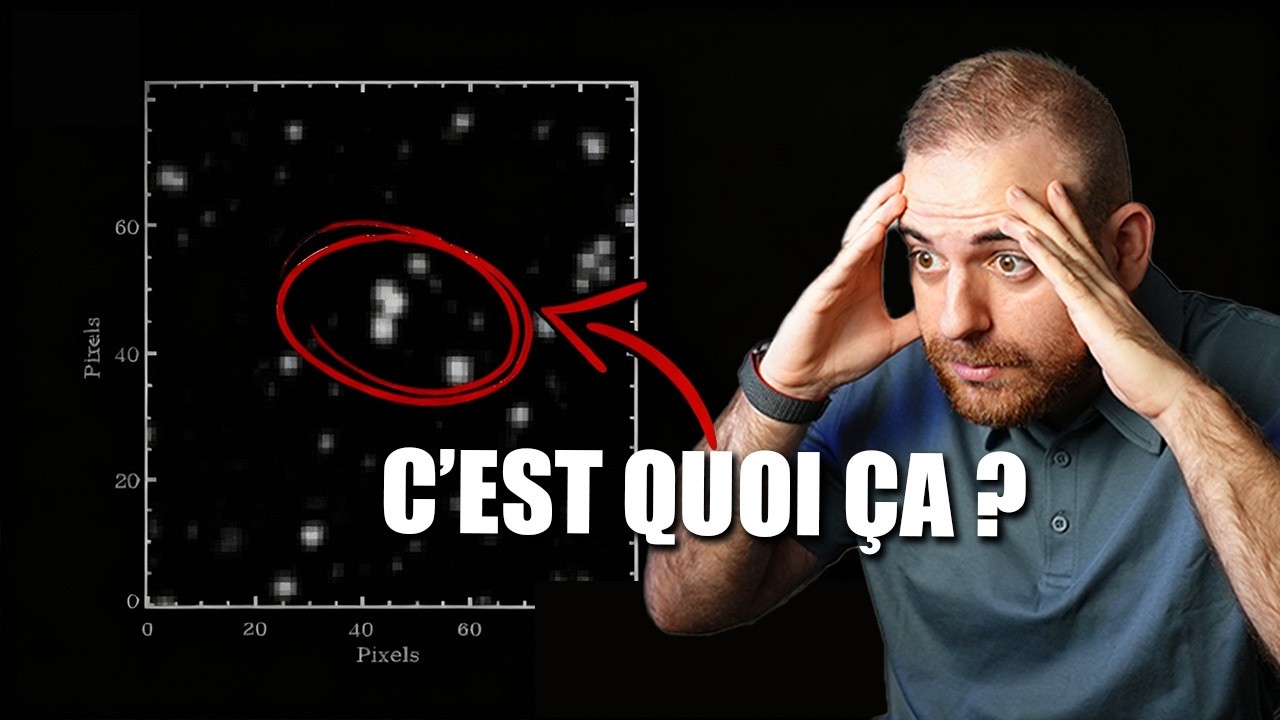
Des Objets Artificiels avant les Satellites : les Physiciens SOUS LE CHOC
Keywords
Summary
124 words
Critical Evaluation
Value of the Information & Strength of the Argument
The video provides a clear narrative and highlights the key findings of the studies, making them accessible to a general audience. However, the argumentation is one-sided, emphasizing the extraordinary aspects while downplaying alternative explanations and methodological criticisms. The creator uses rhetorical devices like ‘statistically impossible’ and ‘béton armé’ to amplify the impact, but fails to provide a balanced scientific discussion. The correlation with nuclear tests is presented as more significant than the studies’ cautious interpretation, and the possibility of artifacts is dismissed too quickly. The value of the information is moderate, as it introduces the viewer to the VASCO project but does not critically evaluate the evidence.
Scientific Rigor, Source Quality, Title Accuracy
The video references the studies published in Scientific Reports and Monthly Notices of the Royal Astronomical Society, which adds credibility. However, it does not provide direct links to these studies, making verification difficult. The title is sensationalist and overstates the scientific consensus, as the studies themselves are cautious. The creator’s own promotional segment for his AI course is a clear conflict of interest and detracts from the scientific rigor. The video also omits important criticisms, such as the fact that the studies used scanned images, not original plates, and that independent analyses have suggested artifacts. The adéquation between title and content is poor, as the ‘shock’ among physicists is not substantiated.
233 words
Title / Content Match
The title is sensationalist and overstates the scientific consensus, but the content does discuss the studies and the 'shock' among physicists is exaggerated.
Quality & Reliability
6/10
The video presents a sensationalized interpretation of two peer-reviewed studies, but omits important caveats and methodological limitations highlighted by the original authors and independent critics. The statistical significance (22 sigma) is presented without proper context, and the correlation with nuclear tests is framed as more causal than the studies suggest. The creator's credibility is undermined by the promotional segment and lack of direct links to the studies.
Chapters
Cited Sources
- Vision IA Newsletter — Link to the creator's newsletter, not directly related to the studies.
- Vision IA Formation — Link to the creator's AI training course, promotional content.
Concurring Sources
- VASCO project — The project's official website, which describes the research and findings.
Dissenting Sources
- Independent analysis by Hambly & Blair (2024) — A counter-analysis suggesting that some VASCO transients resemble emulsion defects or digitization artifacts, not real sources.
Contribution & Novelties
The video brings attention to the VASCO project and the analysis of historical photographic plates, which is a novel approach to studying UAPs. It highlights the potential of AI in analyzing large datasets of historical images. However, the presentation is sensationalized and lacks critical depth.
Pour aller plus loin :
- VASCO project — Official project website, provides details on the research and publications.
- Scientific Reports article — Note: The exact URL is not provided in the video; the study is published in Scientific Reports, but the specific article link is not given.
- Monthly Notices of the Royal Astronomical Society — Journal where the second study was published, but the specific article is not linked.
- UAP report by AARO — Official AARO website, provides information on the Pentagon’s UAP investigations.
129 words
Radar Profile
The radar profile shows moderate scores across all dimensions, with a slight peak in quantity of information and a dip in reliability. This indicates that the video provides a substantial amount of information but lacks rigor and critical evaluation, making it more sensationalist than scientifically reliable.
💬 équilibré: Sur les 30 commentaires analysés, le ton est majoritairement positif et intéressé, mais plusieurs commentaires critiques soulignent le manque de liens vers les études et la nécessité de nuancer les conclusions, tandis que d'autres expriment un enthousiasme pour le sujet et la qualité de la présentation.