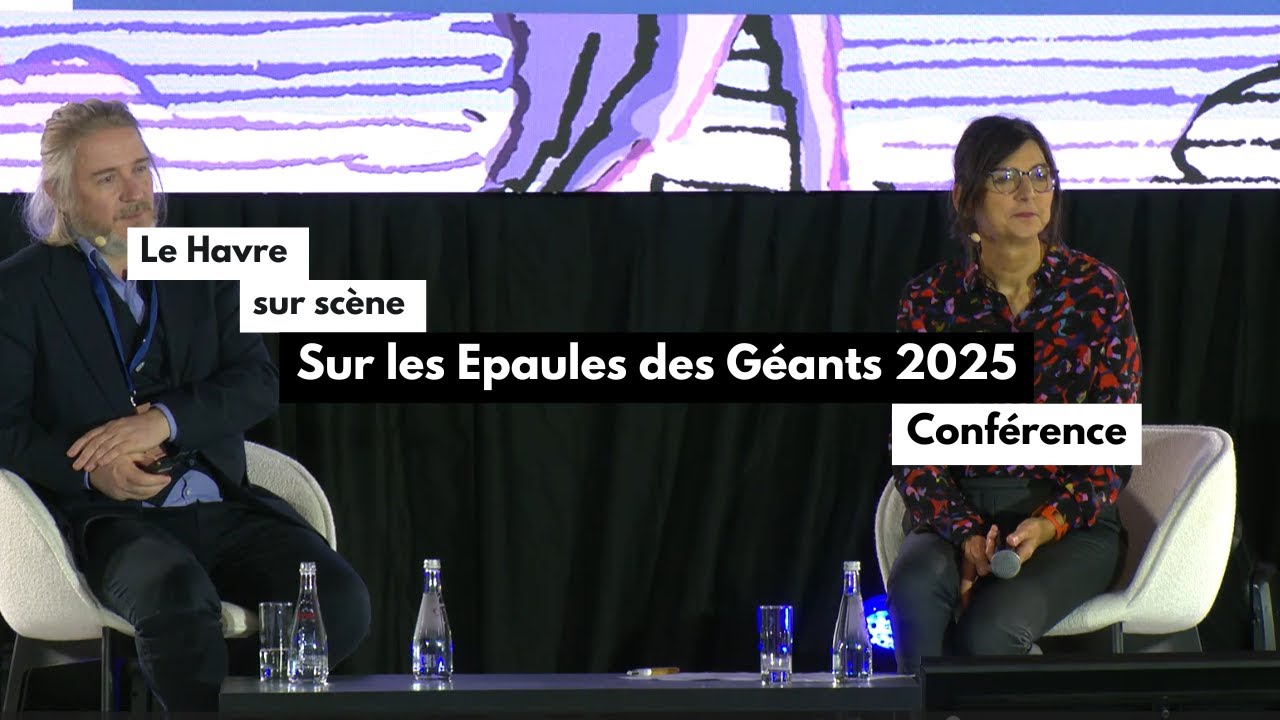
Perig Pitrou - Conférence : Anthropocène : Qu’est-ce qu’une vie équilibrée ? - SLEDG 2025
Keywords
Summary
188 words
Critical Evaluation
Value of the Information & Strength of the Argument
The conference provides valuable insights by shifting the discussion from individualistic notions of balance to a more holistic, socio-cosmic perspective. Pitrou’s argument is well-structured, moving from contemporary Western discourse to philosophical and anthropological examples. He effectively uses case studies to demonstrate that many cultures view individual equilibrium as inseparable from social and cosmic harmony. The argumentation is solid, though it relies on qualitative anthropological evidence rather than quantitative data. The speaker’s expertise lends credibility, but the presentation is more exploratory than definitive.
91 words
Title / Content Match
The title accurately reflects the content: a conference on the meaning of a balanced life in the Anthropocene, delivered by an anthropologist.
Quality & Reliability
8/10
The speaker is a CNRS research director and professor at Collège de France, with field experience and publications. The conference is part of a scientific event with institutional partners. The content is well-structured and based on anthropological research, though it is an opinion/expert lecture rather than a peer-reviewed study.
Key Moments
Markers derived by PSI from the transcript: the creator did not define chapters.
- Introduction of the speaker and topic by the host.
- Start of the conference: Pitrou introduces the concept of balanced life and its individualistic framing.
- Discussion of Stoic philosophy and the need to consider cosmic order.
- Introduction of anthropological case studies: Wixárika in Mexico and Andean communities.
- Discussion of 'Buen Vivir' and the rights of nature in Ecuador.
- Presentation of the Beijing case study on 'yangsheng' and collective practices.
- Mention of Biosphere 2 as a technological attempt to replicate Earth's balance.
- Conclusion and transition to Q&A session.
Cited Sources
- Fragilité des vies humaines — Mentioned as a recent publication by the speaker, discussing eco-anxiety and planetary imbalances.
- Ce que les humains font avec la vie — Mentioned as a book published by PUF, outlining the project of anthropology of life.
- Ten Thousand Things — Referenced as a book about practices in Beijing, co-authored by a philosopher and an anthropologist.
Concurring Sources
- Anthropocene — Provides scientific context for the term and its geological implications.
- Buen Vivir — Supports the discussion of Andean concepts of well-being and harmony with nature.
Contribution & Novelties
The conference offers a novel perspective by integrating anthropological insights into the discussion of balanced life in the Anthropocene. It challenges the individualistic approach prevalent in Western discourse and emphasizes the socio-cosmic dimensions of equilibrium. The speaker’s comparative approach highlights diverse cultural conceptions, such as ‘Buen Vivir’ and Chinese ‘yangsheng’, providing a richer understanding of what a balanced life could mean. This contributes to ongoing debates on sustainability and well-being.
Pour aller plus loin :
- Anthropocene — Provides background on the geological epoch and its debates.
- Buen Vivir — Explains the concept of ‘good living’ in Andean cultures and its political implications.
- Biosphere 2 — Details the experimental ecological facility in Arizona.
- Eco-anxiety — Discusses the psychological impact of environmental concerns.
121 words
Radar Profile
The radar profile shows high scores in information quantity, quality, and reliability, with a moderate technical level. This indicates a well-informed and credible presentation that is accessible to a general audience, though it may not delve into highly technical details.