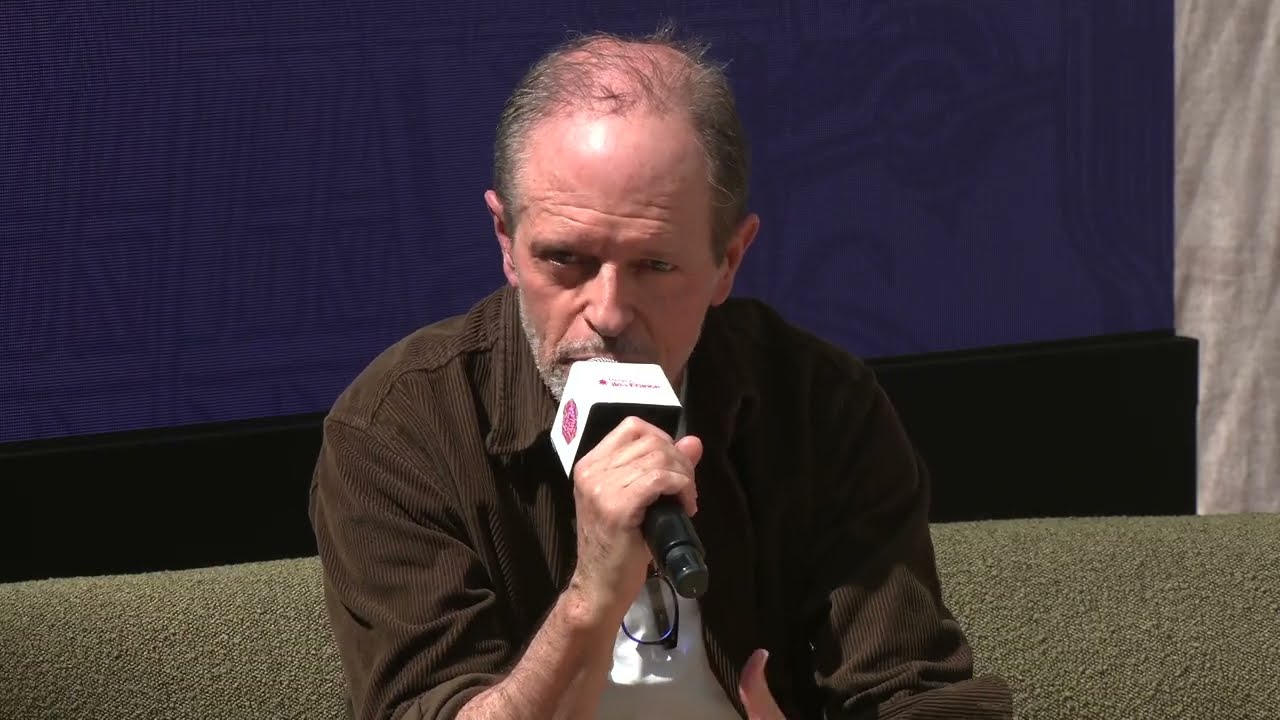
Polars 2.0 : enquêtes et vertiges technologiques avec Jacques Attali et Bernard Minier
Keywords
Summary
128 words
Critical Evaluation
Value of the Information & Strength of the Argument
The discussion provides valuable insights into the authors’ creative processes and the real-world technological trends that inspire their fiction. Attali and Minier argue convincingly that their speculative scenarios are grounded in current developments, such as brain-computer interfaces and AI-driven manipulation. They reference thinkers like Nassim Taleb and Karl Popper to support their views on unpredictability and fragility. The argumentation is coherent and well-structured, though it remains at the level of informed opinion rather than rigorous scientific analysis.
Scientific Rigor, Source Quality, Title Accuracy
The authors demonstrate intellectual rigor by referencing real events (e.g., the 2025 Spanish blackout) and thinkers (e.g., Taleb, Popper). They also mention specific works like ‘Le monde mode d’emploi’ by Attali and ‘France 2040’ as sources. However, the discussion is not a scientific review; it is a literary debate, so the sources are primarily literary and anecdotal. The title accurately reflects the content, focusing on the technological themes of the novels. No comments were provided, so public reception cannot be assessed.
173 words
Title / Content Match
The title accurately reflects the content: a discussion of two techno-thrillers by Jacques Attali and Bernard Minier, focusing on technological anxieties.
Quality & Reliability
7/10
The discussion features two established authors with credible backgrounds, but it is primarily a literary debate without rigorous scientific verification. Claims about technology are plausible but not systematically sourced.
Key Moments
Markers derived by PSI from the transcript: the creator did not define chapters.
- Introduction of the two authors and their backgrounds.
- Attali discusses the political context of his novel set in 2032.
- Minier talks about the real 2025 Spanish blackout as inspiration.
- Discussion of the character Milton Gale, inspired by Elon Musk.
- Attali explains the concept of telepathy and memory manipulation.
- Minier discusses the vulnerability of modern societies.
- Comparison of the two novels' settings and themes.
- Attali talks about the future of brain-computer interfaces.
- Minier reflects on the role of women in his novel.
- Closing remarks and thanks to the audience.
Cited Sources
- Vos rêves seront bientôt les miens (Flammarion) — Mentioned as the novel by Jacques Attali discussed in the video.
- Ruptures (XO) — Mentioned as the novel by Bernard Minier discussed in the video.
- Le monde mode d'emploi — Referenced by Minier as a source of facts for his novel.
- France 2040 : fragments d'avenir — Referenced by Minier as a recommended work directed by Attali.
Concurring Sources
- Brain-computer interface — Supports the plausibility of telepathic communication mentioned by Attali.
- Memory erasure — Relates to the concept of manipulating memories in the novels.
Dissenting Sources
- No discordant sources found — The discussion is consistent with the authors' own claims and does not present conflicting viewpoints.
Contribution & Novelties
The video offers a unique perspective on how contemporary authors envision the near future, blending literary imagination with current technological trends. It highlights the ethical concerns surrounding AI and memory manipulation, providing a cultural commentary on the potential societal impacts. The discussion also underscores the importance of critical thinking about technology’s role in society.
Pour aller plus loin :
- Brain-computer interface — Relevant to the discussion of telepathy and neural implants.
- Memory manipulation — Relevant to the theme of altering memories in Attali’s novel.
- Antifragility — Concept by Nassim Taleb, referenced in the discussion about societal vulnerability.
97 words
Radar Profile
The radar profile shows moderate scores across all dimensions, with slightly higher scores in information quantity and quality, reflecting a substantive but not deeply technical discussion. The low technical level score indicates the content is accessible to a general audience.