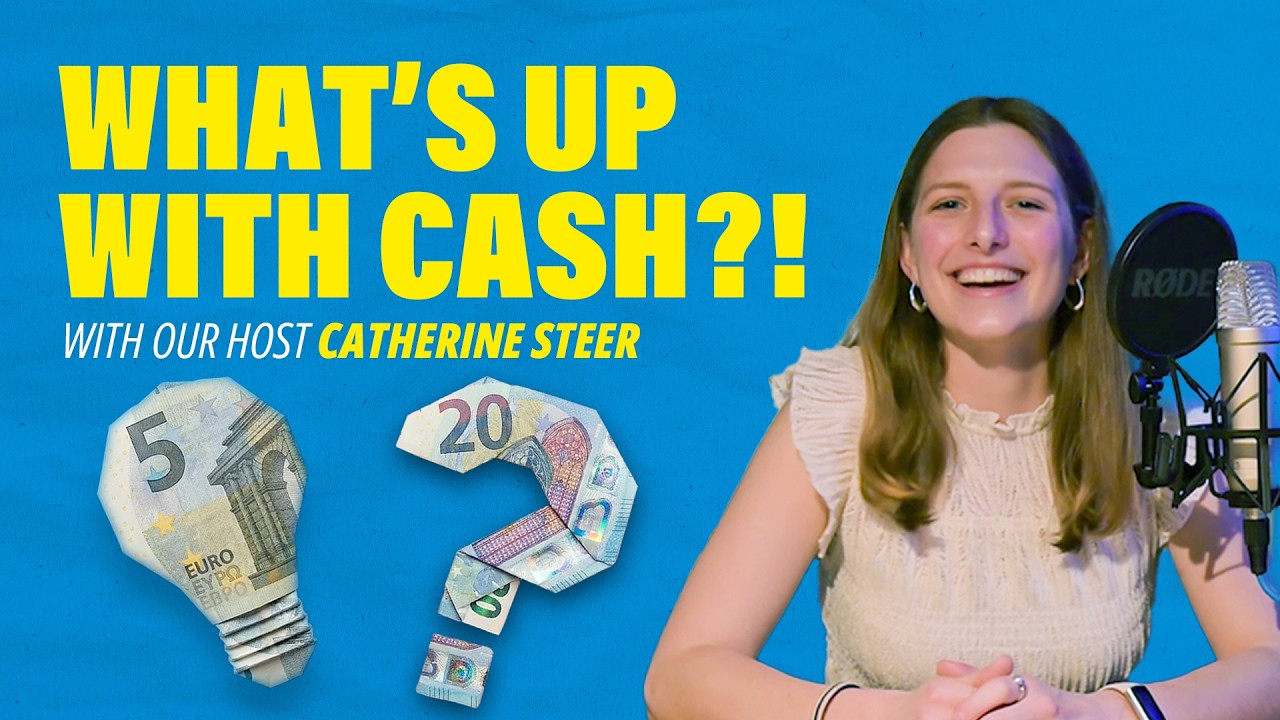
What's up with cash?
Keywords
Summary
184 words
Critical Evaluation
The video provides a clear and authoritative overview of the status of cash in the euro area, leveraging the credibility of the European Central Bank. The information is presented in an accessible manner, suitable for a general audience, but it also includes specific data and expert interviews that add depth. The argumentation is solid, relying on official ECB surveys and legislative proposals. The sources cited are directly from the ECB’s official website, ensuring high reliability. However, the video has a promotional tone, as it is produced by the ECB itself, which may lead to a lack of critical examination of potential drawbacks of the digital euro or the banknote redesign. The adéquation between title and content is good, as the title accurately reflects the exploration of cash’s future. The video effectively debunks common myths, such as the EU banning cash, by providing factual context. The discussion of the paradox of banknotes is particularly insightful, explaining why cash circulation is increasing despite lower usage. The segment on the digital euro clarifies its complementary role, addressing public concerns. The banknote redesign is presented as a positive development, emphasizing security and sustainability. Overall, the video is a reliable and informative resource, though it could benefit from a more balanced perspective on the challenges and criticisms associated with these initiatives. The absence of critical voices or discussion of potential downsides, such as privacy concerns with the digital euro, is a notable omission. Nevertheless, for its intended purpose of public education, it excels in clarity and factual accuracy.
253 words
Title / Content Match
The title is catchy and relevant, accurately reflecting the content's focus on the current status and future of cash.
Quality & Reliability
8/10
The video is produced by the European Central Bank, a highly authoritative institution. It features interviews with ECB experts and references official ECB publications. The information is current and aligns with known ECB policies. Minor limitations include a promotional tone and limited critical examination of potential drawbacks of the digital euro.
Key Moments
Markers derived by PSI from the transcript: the creator did not define chapters.
- Introduction: Is cash still king?
- Cash payment trends in the euro area
- Comparing cash usage
- The 'Paradox of Banknotes' explained
- Why cash is essential during crises and emergencies
- Debunking myths: Is the EU banning cash?
- New laws to protect the acceptance of cash
- What is the digital euro?
- Digital euro vs. Cash: What’s the difference?
- Why the ECB is redesigning euro banknotes
Cited Sources
- Current banknotes — Referenced as a source for information on existing euro banknotes.
- Access to and acceptance of cash — Referenced in the discussion about legislative efforts to ensure cash acceptance.
- Future banknotes — Referenced in the segment about the redesign of euro banknotes.
- Digital euro — Referenced in the discussion about the digital euro project.
Concurring Sources
- ECB study on cash usage — Supports the claim that cash remains widely used in the euro area.
Dissenting Sources
- Criticism of digital euro from privacy advocates — Some privacy advocates have raised concerns about the digital euro's potential for surveillance, which the video does not address.
Contribution & Novelties
The video provides an authoritative clarification on the status of cash in the euro area, debunking common myths and explaining the ECB’s perspective. It offers insights into the paradox of banknotes and the rationale behind the digital euro and banknote redesign.
Pour aller plus loin :
- Digital euro — Official ECB page on the digital euro project.
- Cash usage in the euro area — ECB statistics on cash usage.
- The paradox of banknotes — ECB blog post explaining the paradox.
80 words
Radar Profile
The radar profile shows high scores in quality and reliability, reflecting the authoritative source and clear presentation. The quantity of information is moderate, and the technical level is accessible, making it suitable for a general audience.
💬 No comments were provided for analysis.