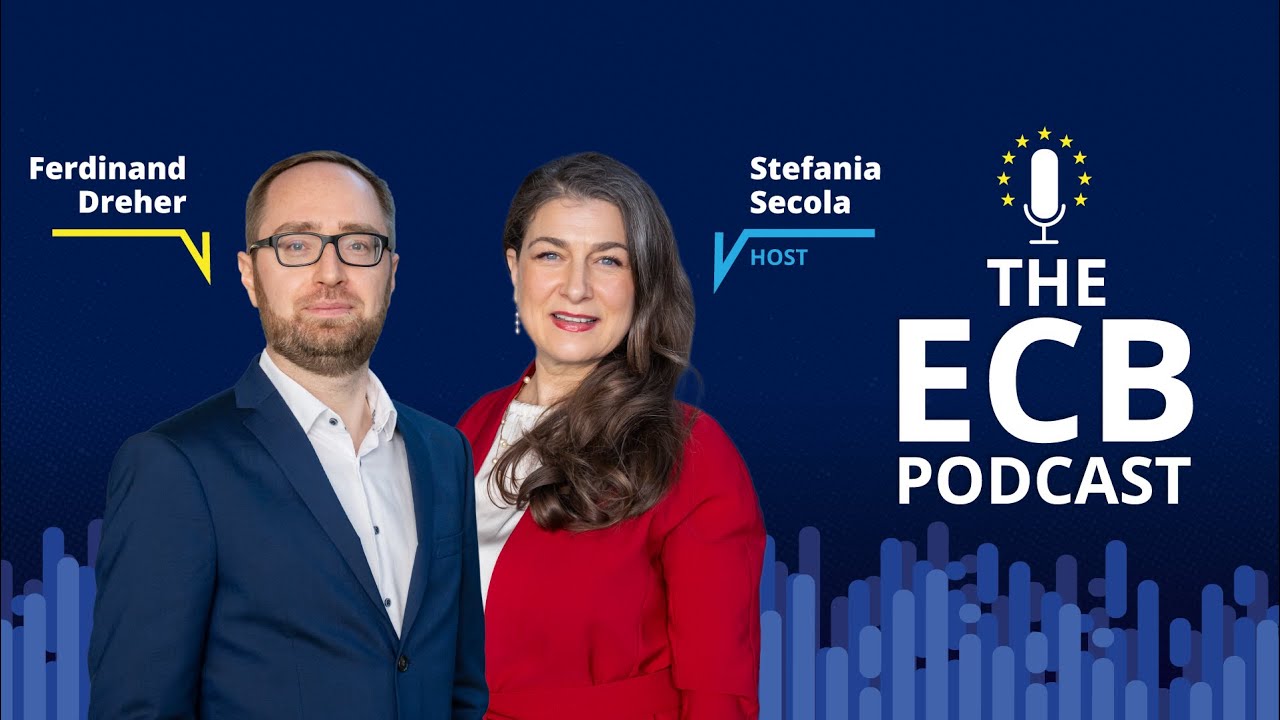
Love at second sight? Hopes and fears when joining the euro area
Keywords
Summary
162 words
Critical Evaluation
The podcast provides a well-rounded and informative discussion on the topic of euro adoption, focusing on Bulgaria’s upcoming transition. The inclusion of both expert analysis and grassroots perspectives from Bulgarian content creators adds depth and relatability. The researcher, Ferdinand Dreher, presents findings from Eurobarometer surveys, which are a credible source of public opinion data. The discussion is balanced, acknowledging both fears (such as inflation and loss of national identity) and hopes (such as economic integration and stability). The argumentation is solid, with Dreher explaining that concerns are common before adoption but tend to decrease afterward, supported by survey data. The scientific rigor is adequate for a podcast aimed at a general audience, though it lacks detailed methodological explanations. The sources cited are primarily from the ECB, which is appropriate given the context, but there is a potential bias as the ECB is an advocate for the euro. The adéquation between the title and content is strong, as the episode directly addresses the hopes and fears associated with joining the euro area. The podcast also touches on the evolution of sentiment, which aligns with the ’love at second sight’ metaphor. Overall, the content is valuable for understanding public perceptions of euro adoption, though it could benefit from more critical examination of potential drawbacks. The production quality is high, with clear audio and engaging storytelling. The episode is suitable for listeners interested in economics, European affairs, and public opinion.
237 words
Title / Content Match
The title accurately reflects the content, which explores the hopes and fears of adopting the euro, particularly in Bulgaria, and how sentiment evolves.
Quality & Reliability
8/10
The podcast features an ECB researcher discussing survey data from the Eurobarometer, providing a credible and balanced view. The content is well-structured and includes multiple perspectives, though it is based on expert opinion rather than a peer-reviewed study.
Key Moments
Markers derived by PSI from the transcript: the creator did not define chapters.
- Ferdinand shares personal memories of Germany's transition to the euro.
- Bulgarian content creators discuss their biggest concerns about euro adoption.
- Ferdinand explains research findings on concerns from Eurobarometer surveys.
- Content creators share their hopes for Bulgaria's euro adoption.
- Discussion on how people's feelings evolve after adoption, with survey evidence.
- Exploration of whether Euroscepticism persists after adoption.
- Discussion on concerns about national identity and the symbolism of euro coins.
Cited Sources
- Bulgaria and the euro — Official ECB page providing information on Bulgaria's euro adoption process.
- Bulgarian euro coins — Details about the design and features of Bulgarian euro coins.
- ECB blog on Bulgaria's euro adoption — Blog post discussing aspects of Bulgaria's transition to the euro.
Concurring Sources
- Eurobarometer surveys — Surveys cited in the podcast as the basis for research on public opinion.
Dissenting Sources
- No discordant sources found — The podcast presents a balanced view, and no conflicting sources were mentioned.
Contribution & Novelties
The podcast provides a unique blend of personal narratives from Bulgarian content creators and empirical research from Eurobarometer surveys, offering a comprehensive view of the emotional and practical aspects of euro adoption. It highlights the evolution of public sentiment, which is a valuable insight for policymakers and communicators.
Pour aller plus loin :
- Eurobarometer surveys — Official source of public opinion data used in the research.
- Optimal currency area theory — Economic theory relevant to the costs and benefits of adopting a common currency.
- European Central Bank — Institution responsible for monetary policy in the euro area, providing further resources on the euro.
103 words
Radar Profile
The radar profile shows high scores in quality of information and reliability, reflecting the credible source and balanced presentation. The quantity of information is moderate, and the technical level is accessible, making it suitable for a general audience interested in economics.
💬 No comments were provided for analysis.