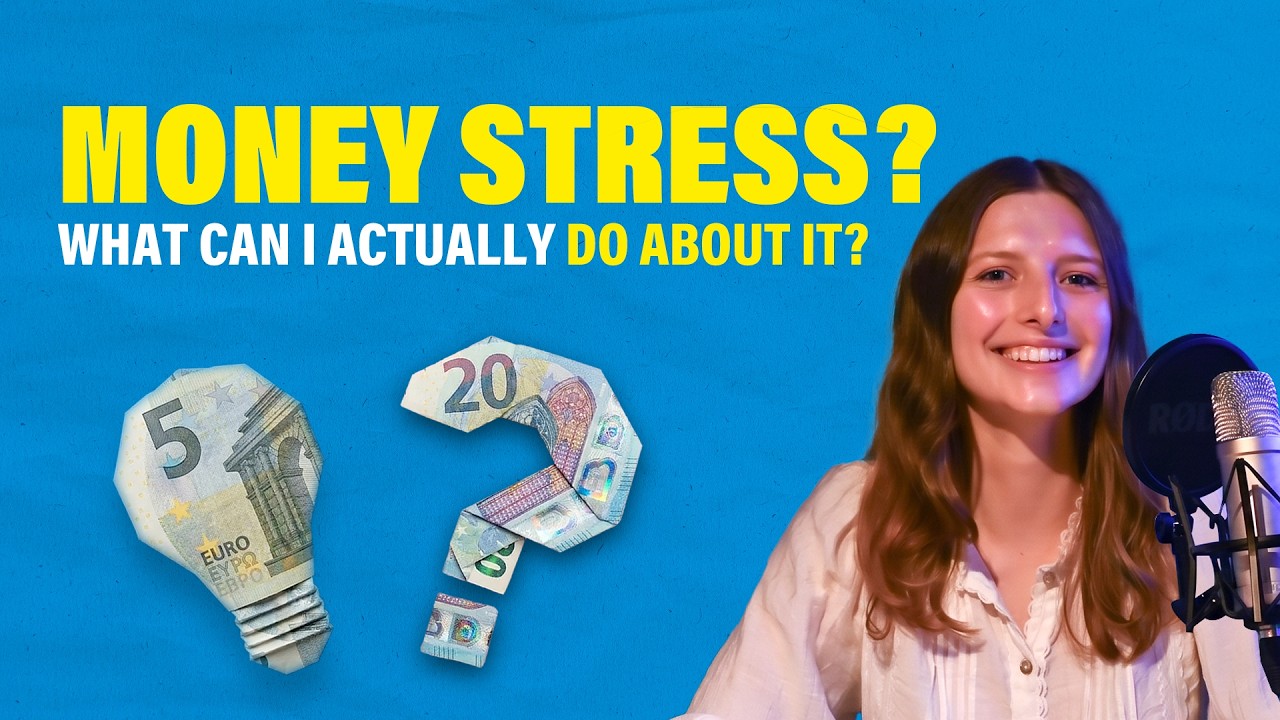
Money stress? What can I actually do about it?
Keywords
Summary
114 words
Critical Evaluation
The video provides a clear and accessible overview of practical personal finance strategies in the context of inflation. The expert, Emilie Bellet, brings relevant experience as a financial educator, and the discussion is grounded in common challenges. However, the content is largely anecdotal and lacks rigorous scientific backing; while some studies are mentioned (e.g., on women negotiating salaries), they are not cited in detail. The advice is sensible and aligns with mainstream financial guidance, but it does not delve into the complexities of personal finance or offer novel insights. The production quality is high, and the ECB’s involvement adds credibility, but the episode is more conversational than analytical. The title accurately reflects the content, and the practical tips are useful for a general audience. Overall, the video is informative and trustworthy, but it is not a comprehensive or deeply researched resource.
141 words
Title / Content Match
The title accurately reflects the content, which focuses on practical strategies to manage money stress during times of rising costs.
Quality & Reliability
7/10
The video features a credible expert (Emilie Bellet, founder of Vestpod) and is produced by the European Central Bank, which lends institutional credibility. The content is practical advice rather than rigorous scientific research, and it includes a disclaimer that it is not financial advice. The information is generally reliable but not deeply sourced or evidence-based.
Key Moments
Markers derived by PSI from the transcript: the creator did not define chapters.
- Introduction: Catherine introduces the topic of money stress and the guest Emilie Bellet.
- Emilie shares her personal experience with rising prices and common concerns from her community.
- Discussion on common misconceptions about cost of living, focusing on essential costs vs. small expenses.
- Emilie talks about what is within our control and the importance of financial education.
- Overspending on convenience: online shopping, subscriptions, and one-click payments.
- Tips for starting to save, including automating savings and starting small.
- Discussion on salary negotiation and gender pay gap.
- Impact of pay gap on women's investing and retirement savings.
- Emilie encourages women to invest and highlights the importance of compounding.
- Conclusion and final thoughts on taking control of personal finances.
Cited Sources
- Vestpod — Emilie Bellet's financial empowerment community for women.
- Wallet podcast — Podcast hosted by Emilie Bellet on personal finance.
Concurring Sources
- OECD - Financial literacy — Supports the importance of financial education for personal financial well-being.
Dissenting Sources
- No discordant sources found — The video's advice aligns with mainstream financial guidance; no contradictory sources were identified.
Contribution & Novelties
The video offers a practical, empathetic approach to managing money stress, emphasizing the importance of focusing on controllable factors and building sustainable habits. It highlights the often-overlooked impact of convenience spending and the need to reframe saving as a positive habit. The discussion on gender differences in financial behaviors adds a valuable perspective.
Pour aller plus loin :
- Financial literacy — Relevant to the emphasis on financial education.
- Gender pay gap — Context for the discussion on salary negotiation and structural barriers.
- Compound interest — Key concept for the advice on starting to save and invest early.
97 words
Radar Profile
The radar profile shows balanced scores across the dimensions, with slightly higher scores in quality and reliability, reflecting the credible source and practical advice. The lower score in technical level indicates that the content is accessible and not highly technical.
💬 Sur les 0 commentaires analysés, aucune tendance n'a pu être identifiée.