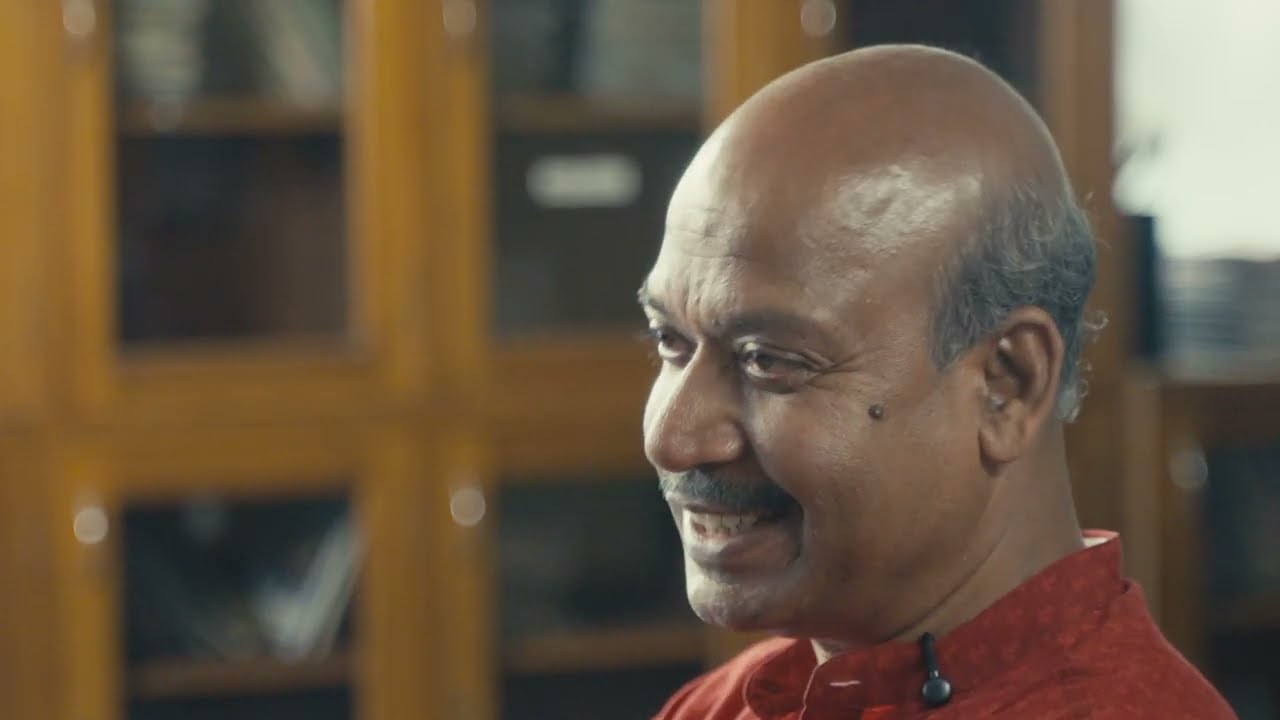
An interview with Dr Sampadananda Mishra during the 19th World Sanskrit Conference
Keywords
Summary
149 words
Critical Evaluation
Value of the Information & Strength of the Argument
The interview provides valuable insights into the practical applications of Sanskrit in education and therapy. Dr. Mishra’s arguments are based on his personal experience and traditional knowledge, but they lack rigorous scientific evidence. He presents anecdotal cases, such as a child with speech difficulties, and claims that Sanskrit verses can rectify inorganic speech problems. While his passion and dedication are evident, the argumentation would be stronger with references to research studies or clinical trials.
Scientific Rigor, Source Quality, Title Accuracy
The interview is a personal account and does not cite specific sources. The only source mentioned is the sponsoring organization, the International Association of Sanskrit Studies, which is linked in the description. The title accurately reflects the content. The scientific rigor is limited due to the lack of citations and the reliance on anecdotal evidence. The speaker’s expertise in Sanskrit is clear, but the claims about therapeutic benefits would require further validation.
161 words
Title / Content Match
The title accurately describes the content as an interview with Dr. Sampadananda Mishra during the 19th World Sanskrit Conference.
Quality & Reliability
7/10
The interview presents the personal views and experiences of a Sanskrit scholar. While the speaker is an expert in his field, the content is largely anecdotal and lacks verifiable scientific evidence for the claims made about speech therapy and chakra meditation. The information is presented with conviction but without citations to peer-reviewed research.
Key Moments
Markers derived by PSI from the transcript: the creator did not define chapters.
- Introduction and background of Dr. Mishra
- Discussion on innovative teaching methods for children
- Projects linking Sanskrit with robotics and speech pathology
- Case study of a child with speech disorder and Sanskrit intervention
- Use of Sanskrit verses for learning disabilities
- Description of the Spandana course and its objectives
- Explanation of chakra purification mantras
- Meditation techniques and visualization
- Philosophy of education and liberation
Cited Sources
- International Association of Sanskrit Studies — Sponsor of the video and mentioned as an organization supporting Sanskrit studies.
Concurring Sources
- International Association of Sanskrit Studies — The organization supports Sanskrit studies and sponsored the video, aligning with the promotion of Sanskrit.
Contribution & Novelties
The interview offers a unique perspective on integrating Sanskrit into modern education and therapy. Dr. Mishra’s approach of using Sanskrit sounds for speech therapy and chakra meditation for consciousness expansion is innovative, though not scientifically validated. The emphasis on making Sanskrit relevant to contemporary life is a valuable contribution to the field.
Pour aller plus loin :
- Sanskrit language — Overview of Sanskrit and its significance.
- Speech-language pathology — Scientific basis for speech therapy.
- Chakra — Traditional concept of energy centers in the body.
84 words
Radar Profile
The radar profile shows moderate scores across all dimensions, indicating a balanced but not exceptional content. The highest score is in quantity of information, while the lowest is in technical level, reflecting the interview's focus on personal experience rather than deep technical detail.
💬 No comments were provided for analysis.