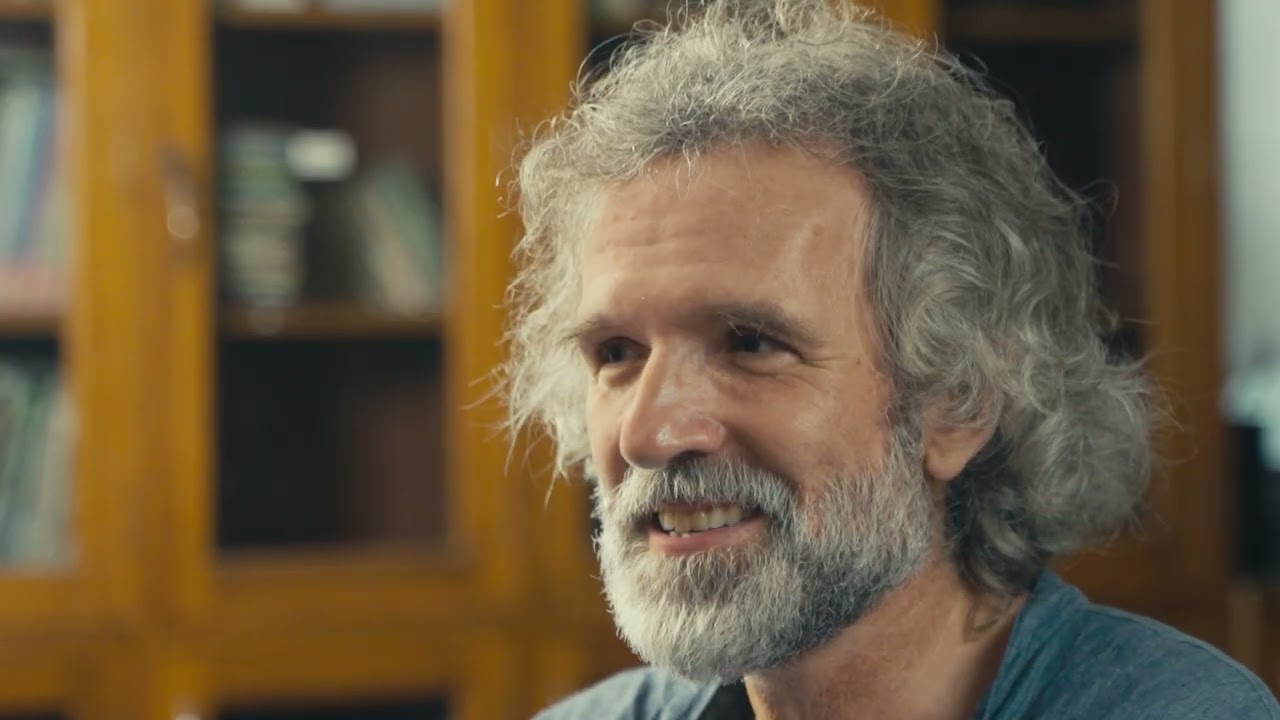
An interview with Professor Finnian M Moore Gerety during the 19th World Sanskrit Conference
Keywords
Summary
160 words
Critical Evaluation
Value of the Information & Strength of the Argument
The interview offers valuable insights into the academic study of Sanskrit and mantras, based on the professor’s extensive research and personal experience. He presents a compelling argument for the importance of oral tradition and performance in understanding ancient texts, drawing parallels with Western musical traditions. His discussion of the evolution of mantra practices from ancient rituals to modern wellness is thought-provoking and well-argued, though it lacks specific evidence or citations. The argumentation is coherent and persuasive, but the value is limited by the informal interview format and the absence of detailed academic references.
Scientific Rigor, Source Quality, Title Accuracy
The interview demonstrates scientific rigor through the professor’s expertise and his description of ongoing research projects. However, no specific sources are cited within the video, and the only external link provided is to the International Association of Sanskrit Studies, which is not directly referenced in the content. The title accurately reflects the content, as it is indeed an interview with Professor Gerety at the World Sanskrit Conference. The lack of explicit citations and the informal nature of the interview slightly reduce its scientific rigor, but the professor’s academic credentials and the clarity of his explanations contribute to its overall reliability.
208 words
Title / Content Match
The title accurately describes the content: an interview with Professor Finnian M Moore Gerety conducted at the 19th World Sanskrit Conference.
Quality & Reliability
8/10
The interview features a senior researcher from Oxford University discussing his academic background and ongoing research on mantras. The content is based on personal experience and scholarly expertise, with no specific data or citations presented. The information is reliable within the context of an interview, but lacks verifiable sources.
Key Moments
Markers derived by PSI from the transcript: the creator did not define chapters.
- Introduction and background of Professor Finnian M Moore Gerety
- Discussion on the influence of rock and roll on his studies
- Explanation of the importance of oral tradition in Sanskrit
- Introduction to his research project on mantras (MANTRUMS)
- Discussion on bija mantras and their origins
- Reflections on the evolution of mantra practices
- Experience at the World Sanskrit Conference in Nepal
Cited Sources
- International Association of Sanskrit Studies — Sponsor of the video and relevant organization for Sanskrit studies
Concurring Sources
- International Association of Sanskrit Studies — Sponsor and relevant organization for Sanskrit studies
Contribution & Novelties
The interview provides a personal and academic perspective on the study of Sanskrit and mantras, highlighting the importance of oral tradition and performance. It introduces the MANTRUMS project, which aims to study mantras in contemporary contexts. The discussion on the evolution of mantra practices from ancient rituals to modern wellness offers a fresh angle.
Pour aller plus loin :
- Sanskrit literature — Overview of Sanskrit literary tradition.
- Mantra — General introduction to mantras and their usage.
- Vedic chant — Information on the oral tradition of Vedic recitation.
87 words
Radar Profile
The radar profile shows a balanced performance with moderate scores across all dimensions. The interview scores highest on quality of information and reliability, reflecting the professor's expertise, while quantity of information and technical level are moderate due to the informal format.
💬 No comments were provided for analysis.