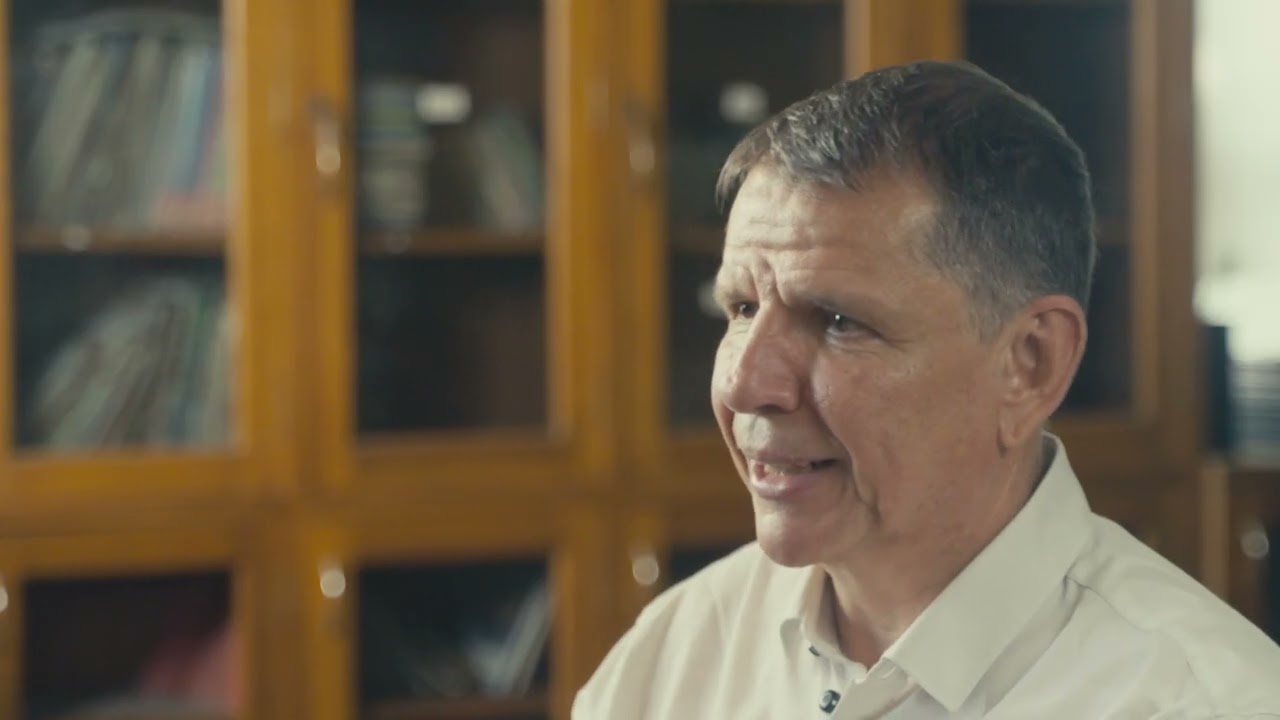
An interview with Dr Phillip Maas during the 19th World Sanskrit Conference
Keywords
Summary
190 words
Critical Evaluation
Value of the Information & Strength of the Argument
The interview offers valuable insights into the field of Indology, particularly the importance of manuscript studies and critical editions. Dr Maas’s arguments are well-founded, based on his extensive experience and specific examples such as the textual variations in the Sushruta Samhita. He effectively argues for the necessity of philological rigor and the value of Nepalese manuscripts. His critical remarks about the organization of the conference and the challenges facing Indology are thoughtful and balanced.
Scientific Rigor, Source Quality, Title Accuracy
Dr Maas demonstrates scientific rigor in his discussion of manuscript research, referencing specific projects and texts. He mentions the Nepal-German Manuscript Preservation Project and the work of colleagues, but does not provide detailed citations. The title accurately reflects the content, and the interview is conducted in a professional manner. The sponsorship by the International Association of Sanskrit Studies is disclosed, but does not influence the content.
155 words
Title / Content Match
The title accurately describes the content: an interview with Dr Phillip Maas at the 19th World Sanskrit Conference.
Quality & Reliability
8/10
The interview features a recognized scholar in Indology with extensive academic credentials, discussing his research and the state of the field. The content is based on his expertise and direct experience, but it is an opinion piece rather than a peer-reviewed study.
Key Moments
Markers derived by PSI from the transcript: the creator did not define chapters.
- Introduction and background of Dr Phillip Maas
- Discussion on the value of World Sanskrit Conferences
- Critical remarks about the conference organization
- Personal journey into Sanskrit studies
- Research on Patanjala Yoga Shastra and critical editions
- Importance of Nepalese manuscripts
- History of German Indology and manuscript preservation
- Challenges and future of Indology
Cited Sources
- International Association of Sanskrit Studies — Sponsor of the video and relevant to the conference
Concurring Sources
- International Association of Sanskrit Studies — Sponsor and relevant to the conference
Contribution & Novelties
The interview provides a personal and professional perspective on the field of Indology, emphasizing the importance of manuscript studies and critical editions. It highlights the unique value of Nepalese manuscripts and the challenges facing the discipline. The discussion offers insights into the history of German Indology and the need for critical engagement with traditions.
Pour aller plus loin :
- Critical Edition — Understanding the methodology of critical editions.
- Patanjali Yoga Sutras — Context for one of the texts discussed.
- Nepal-German Manuscript Preservation Project — Information on the project mentioned.
- Charaka Samhita — Another key text in his research.
98 words
Radar Profile
The radar profile shows high scores in quality and reliability, reflecting the expert nature of the content. The quantity of information is moderate, and the technical level is appropriate for a general audience interested in Indology. The overall balance indicates a credible and informative interview.