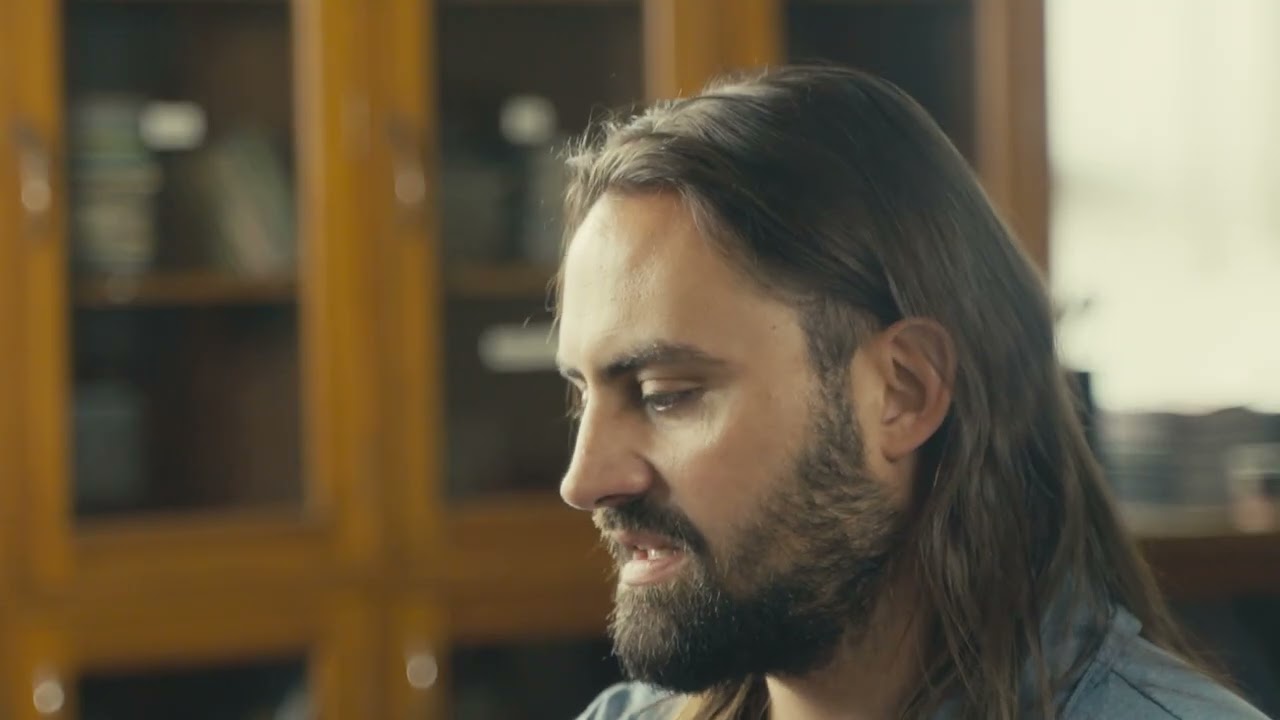
An interview with Dr Dominik A. Haas during the 19th World Sanskrit Conference
Keywords
Summary
179 words
Critical Evaluation
Value of the Information & Strength of the Argument
The interview provides valuable insights into the field of Sanskrit studies, particularly the research on mantras. Dr. Haas’s perspective on the interpretive flexibility of mantras is thought-provoking and adds depth to the understanding of these texts. His argument for open access in academia is well-reasoned and ethically grounded, emphasizing the responsibility of scholars to contribute to a more inclusive scholarly environment. The discussion is coherent and supported by his personal experience and scholarly work, though it lacks detailed evidence or specific examples beyond his own research.
95 words
Title / Content Match
The title accurately describes the content: an interview with Dr. Dominik A. Haas at the 19th World Sanskrit Conference.
Quality & Reliability
7/10
The interview features a researcher from the Austrian Academy of Sciences, providing credible insights into Sanskrit studies and mantra research. The content is based on personal experience and scholarly perspective, but lacks detailed citations or verifiable data within the video itself.
Key Moments
Markers derived by PSI from the transcript: the creator did not define chapters.
- Introduction and Dr. Haas's role at the Austrian Academy of Sciences.
- His interest in Nepal and the conference.
- His academic journey and discovery of Sanskrit's Indo-European roots.
- Discussion on the complexity of interpreting mantras.
- His book on the Gayatri Mantra and its history.
- The importance of the World Sanskrit Conference for scholarly exchange.
- Advocacy for open access in South Asian studies.
- The ethical responsibility to make knowledge accessible.
- The relevance of historical knowledge for identity.
- Closing remarks and call for open access.
Cited Sources
- International Association Of Sanskrit Studies — Sponsor of the video, mentioned in the description.
Concurring Sources
- International Association Of Sanskrit Studies — Sponsor, aligns with the conference context.
Contribution & Novelties
The interview offers a personal perspective on mantra research and the importance of open access in South Asian studies. It highlights the interpretive flexibility of mantras, which is a nuanced view that may not be widely known. The discussion on the ethical dimensions of academic publishing is particularly relevant.
Pour aller plus loin :
- Indo-European languages — Overview of the language family mentioned.
- Gayatri Mantra — Background on the mantra discussed.
- Open access — Concept of free access to scholarly literature.
81 words
Radar Profile
The radar profile shows moderate scores across all dimensions, with slightly higher quality and reliability scores, indicating a credible but not highly detailed or technical content. The low quantity of information suggests a concise interview format.