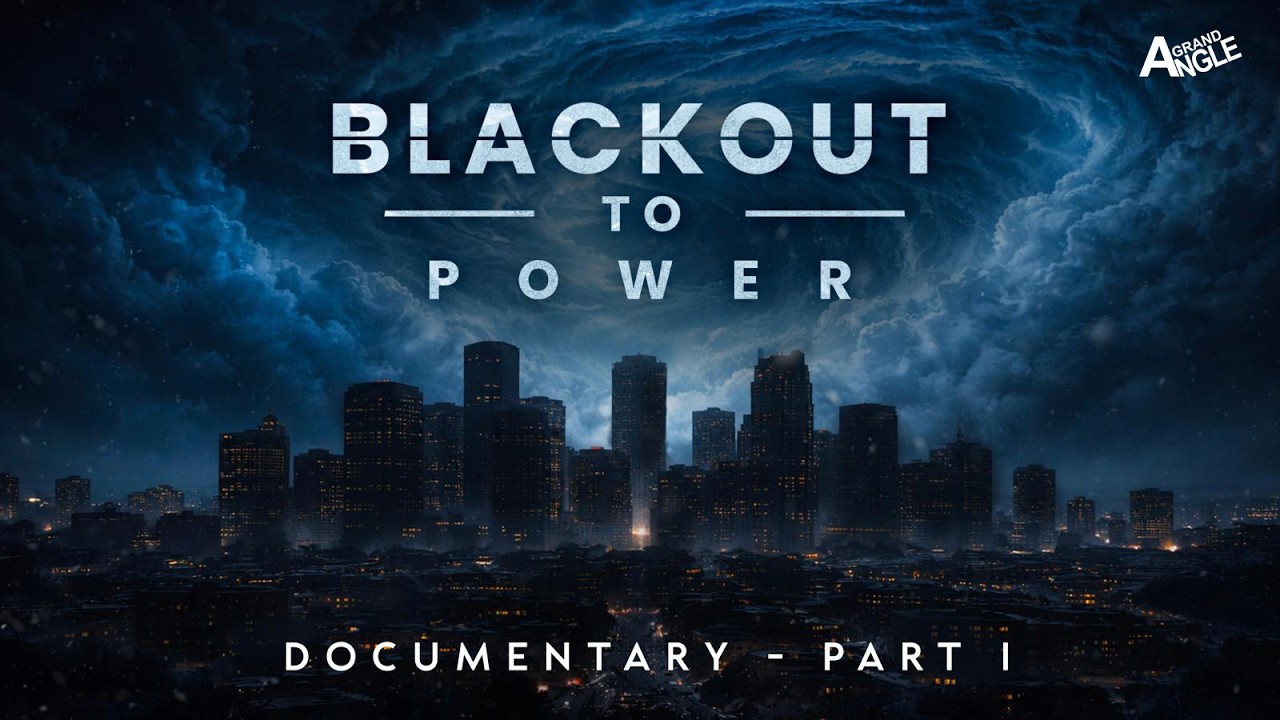
Le Blackout qui a tout changé
Keywords
Summary
176 words
Critical Evaluation
The documentary offers a compelling and well-produced narrative of the Texas blackout, effectively combining archival footage, expert interviews, and data visualizations to explain the technical and systemic failures. The strength lies in its ability to convey the severity of the crisis and the fragility of the grid, with vivid descriptions of the frequency drop and the near-miss catastrophe. The interviews with figures like Brad Jones provide credible insights into the operational challenges and the need for reform. However, the documentary has a clear promotional agenda, particularly in its latter half, where it advocates for Bitcoin mining as a solution to grid stability. While the concept of demand response is valid, the film oversimplifies the complexities and potential drawbacks of relying on cryptocurrency miners for grid services. The sources cited are not explicitly listed, and some claims lack rigorous backing. The adéquation between title and content is good, as the blackout indeed catalyzed changes. The production quality is high, but the scientific rigor is compromised by the lack of balanced perspectives and the overt endorsement of a specific company (Data Factory). Overall, the documentary is informative and engaging, but viewers should approach its conclusions with caution, recognizing the potential bias.
199 words
Title / Content Match
The title accurately reflects the content, focusing on the transformative impact of the blackout on energy policy and technology.
Quality & Reliability
7/10
The documentary provides a detailed account of the Texas blackout, using expert interviews and data, but lacks explicit citations for many claims and has a promotional angle for Bitcoin mining.
Key Moments
Markers derived by PSI from the transcript: the creator did not define chapters.
- Introduction to the Texas blackout and its impact.
- Explanation of the US electrical grid and Texas's isolation.
- Detailed account of the grid frequency drop and near-collapse.
- Interview with Brad Jones on ERCOT's response and reforms.
- Discussion of Warren Buffett's proposal and its rejection.
- Introduction to demand response and flexible loads.
- Promotion of Bitcoin mining as a solution for grid stability.
- Data Factory's role and future plans for AI infrastructure.
Cited Sources
- Grand Angle Eco Podcast — Official podcast page of the channel, mentioned in the description.
Concurring Sources
- ERCOT — Official reports on the blackout and grid operations.
Dissenting Sources
- Elon Musk's criticism — Elon Musk publicly criticized Warren Buffett's proposal, suggesting alternative solutions.
Contribution & Novelties
The documentary provides a unique perspective on the Texas blackout by linking it to the potential of Bitcoin mining as a demand response tool. It offers a detailed case study of how flexible loads can enhance grid resilience, a topic often overlooked in mainstream discussions. The film also highlights the entrepreneurial angle, showcasing how companies like Data Factory are leveraging Bitcoin mining to monetize unused grid capacity.
Pour aller plus loin :
- ERCOT — Official site of the Texas grid operator, providing data and reports on the blackout.
- Demand Response — Wikipedia article explaining the concept of demand response in electricity grids.
- Winter Storm Uri — Wikipedia article detailing the storm and its impacts.
114 words
Radar Profile
The radar profile shows high scores in quantity and quality of information, reflecting the documentary's rich content and expert interviews. The technical level is moderate, suitable for a general audience, while reliability is slightly lower due to promotional bias. Overall, the documentary is informative but should be viewed with a critical eye.
💬 Très positif. Sur les 30 commentaires analysés, la majorité exprime une forte approbation et un enthousiasme pour la qualité du documentaire et l'attente de la suite, avec quelques mentions de la promotion de Bitcoin.