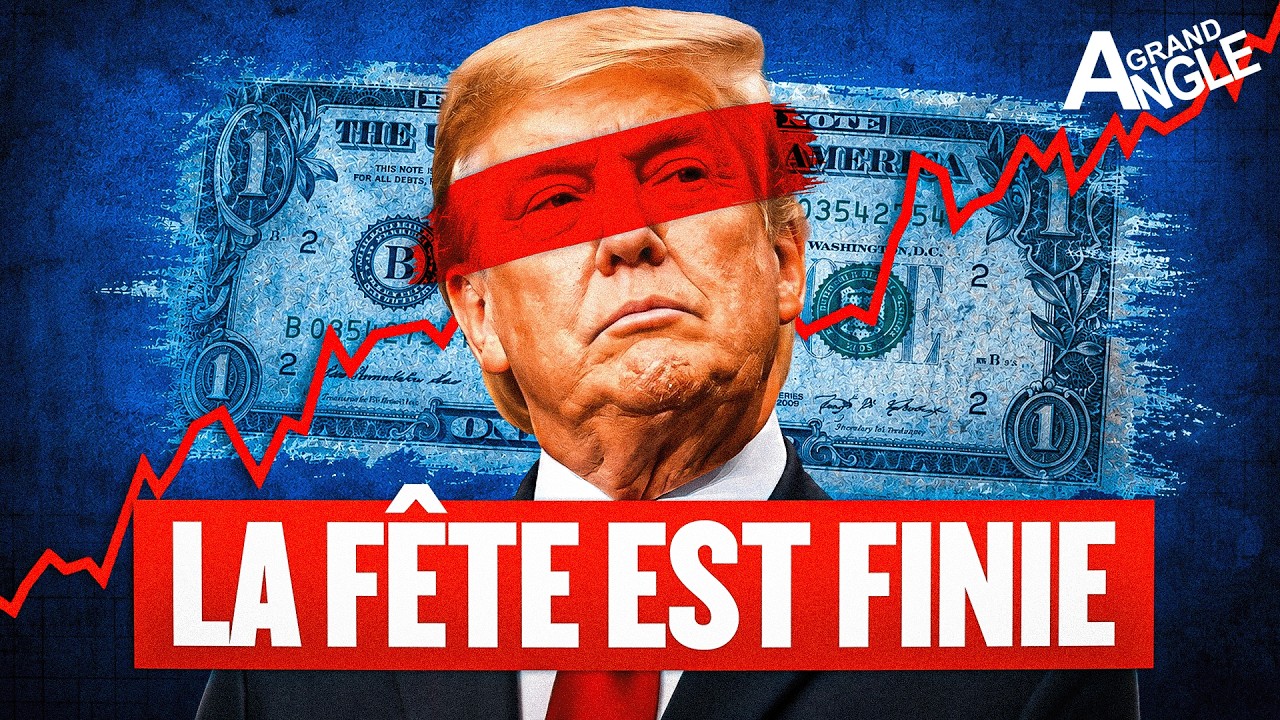
La grande crise des obligations vient de commencer
Keywords
Summary
143 words
Critical Evaluation
The video presents a compelling and well-structured argument that the recent rise in bond yields is not merely a series of national fiscal crises but a systemic shift driven by structural changes in the global economy. The author effectively challenges the conventional narrative by pointing out the synchronization of yield increases across diverse countries and the inadequacy of country-specific explanations. The use of the spread between French and German bonds as evidence that the rise is not primarily due to French political instability is a strong point. The historical analysis of the 1980s and the role of captive buyers (China, Japan, central banks) in keeping yields low is insightful and well-explained. The introduction of artificial intelligence as a new investment frontier that could absorb global savings is a novel and thought-provoking perspective. However, the video lacks direct citations to specific data sources or academic studies, which weakens its scientific rigor. The author’s position as a founder of an AI company (Antimator) introduces a potential conflict of interest, as he may benefit from the narrative that AI is a transformative investment. The argument that AI has ‘unlimited depth’ for investment is speculative and not supported by empirical evidence. The video also does not address potential counterarguments, such as the possibility that the rise in yields is due to inflation expectations or changes in monetary policy. Overall, the video is a valuable contribution to the discussion on bond markets, but it should be viewed as an opinion piece rather than a rigorous scientific analysis. The title accurately reflects the content, and the video is well-produced and engaging.
265 words
Title / Content Match
The title accurately reflects the content, which focuses on the recent rise in bond yields and the structural factors behind it.
Quality & Reliability
7/10
The video presents a coherent and well-argued thesis on the synchronized rise in long-term bond yields, supported by references to historical events and economic concepts. However, it relies heavily on the author's interpretation and lacks direct citations to specific data sources or academic studies, reducing its verifiability.
Key Moments
Markers derived by PSI from the transcript: the creator did not define chapters.
- Introduction: US 30-year bond yield reaches 5.2%, highest since 2007.
- Synchronized rise in yields across UK, France, Japan.
- Challenging the national debt crisis narrative.
- Historical context: 1981 bond yields at 15%, Volcker's fight against inflation.
- Explanation of the three captive buyers: China, Japan, central banks.
- The role of AI as a new investment frontier.
- Conclusion: End of a 40-year anomaly, implications for savings and fiscal policy.
Cited Sources
- Grand Angle Éco Podcast — The author's podcast platform, mentioned in the video description.
Concurring Sources
- Global savings glut — Concept by Ben Bernanke, referenced in the video to explain low interest rates.
- Secular stagnation — Theory by Larry Summers, also mentioned in the video.
Dissenting Sources
- No direct discordant sources cited — The video does not cite any sources that contradict its thesis.
Contribution & Novelties
The video offers a fresh perspective on the recent rise in bond yields by attributing it to a structural shift in the global savings-investment balance, rather than to national fiscal irresponsibility. It highlights the role of captive buyers (China, Japan, central banks) in keeping yields artificially low and suggests that the emergence of AI as a capital-intensive industry is now competing with government debt for investment. This reframing challenges conventional explanations and provides a coherent framework for understanding the synchronized nature of the yield increases.
Pour aller plus loin :
- Global savings glut — Ben Bernanke’s concept, directly relevant to the video’s discussion of excess savings.
- Secular stagnation — Larry Summers’ theory, also mentioned in the video.
- Quantitative easing — Central bank bond purchases, a key mechanism discussed.
128 words
Radar Profile
The radar profile shows high scores in quantity of information and reliability, reflecting the video's comprehensive coverage and coherent argumentation. The technical level is moderate, making it accessible to a general audience. The overall balance suggests a well-rounded analysis, though the lack of direct citations slightly reduces its scientific rigor.
💬 The comments are predominantly positive, with many viewers praising the clarity and depth of the analysis. Some express concern about the economic implications, while a few offer critical perspectives. Overall, the sentiment is favorable, with a mix of appreciation and thoughtful engagement.