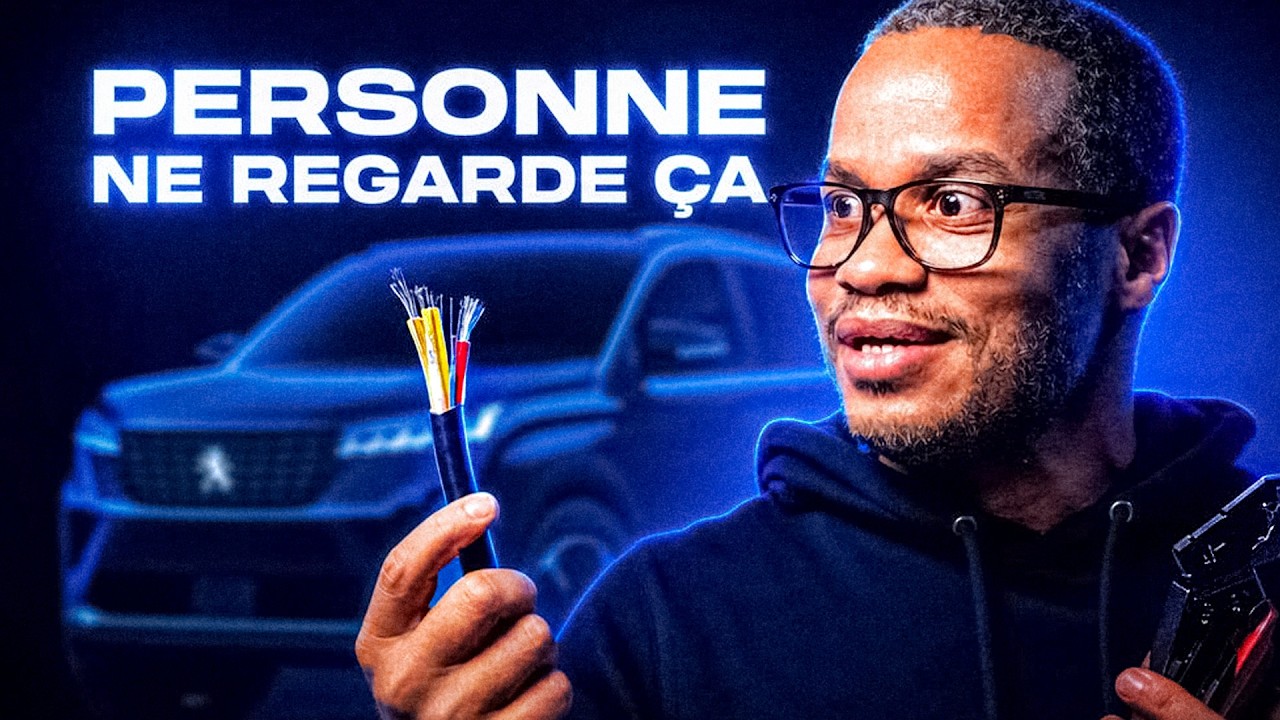
Il y a un problème avec nos voitures modernes
Keywords
Summary
134 words
Critical Evaluation
The video provides a compelling and accessible overview of automotive cybersecurity issues, featuring a highly knowledgeable guest who effectively communicates complex technical concepts. The discussion is well-structured, moving from general principles to specific attack vectors, and includes practical demonstrations that enhance understanding. The argumentation is solid, grounded in real-world examples and the guest’s extensive experience. However, the content relies heavily on anecdotal evidence and personal opinions rather than citing specific studies or official reports, which limits its scientific rigor. The sources mentioned are primarily the guest’s own contributions to open-source projects and general knowledge, with no direct references to academic papers or industry standards. The title accurately reflects the content, and the video does not overpromise. The inclusion of a sponsored segment is clearly disclosed and does not detract from the overall quality. The public comments are overwhelmingly positive, praising the guest’s clarity and expertise, which suggests the content resonates well with the audience. Overall, the video is informative and engaging, but it would benefit from more explicit citations to enhance its credibility.
173 words
Title / Content Match
The title accurately reflects the content, which discusses the vulnerabilities and restrictions in modern vehicles, highlighting the tension between security and repairability.
Quality & Reliability
8/10
The video features a recognized expert in cybersecurity and automotive hacking, providing practical demonstrations and concrete examples. The information is technically accurate and well-explained, though it relies on anecdotal evidence and personal experience rather than peer-reviewed sources. The presence of a commercial sponsor is clearly disclosed and does not affect the content's reliability.
Key Moments
Markers derived by PSI from the transcript: the creator did not define chapters.
- Introduction to the topic and guest Gaël Musquet.
- Explanation of car electronics and the role of ECUs.
- Discussion on vendor lock-in and examples like BMW's heated seats subscription.
- Porsche's remote disabling of VTS in Russia.
- Demonstration of lock picking techniques.
- Explanation of radio frequency attacks and relay attacks.
- Introduction to the CAN bus and OBD-II port.
- How criminals reprogram keys via OBD-II to steal cars.
- Discussion on the right to repair and DIY modifications.
- Conclusion and final thoughts on vehicle security.
Cited Sources
- Mammouth AI — Commercial sponsor of the video, mentioned in the description.
- Underscore Podcast on Spotify — Podcast version of the video.
- Underscore Podcast on Apple Podcasts — Podcast version of the video.
- Underscore Podcast on Deezer — Podcast version of the video.
- Recommended video — Recommended video related to the topic.
- Video with co-founder of Mammouth AI — Additional video with the sponsor's co-founder.
Concurring Sources
- CAN bus — General information on the CAN bus protocol, consistent with the video's explanation.
- OBD-II — General information on the OBD-II port, consistent with the video's explanation.
- Right to repair — The concept of right to repair, which aligns with the video's discussion on repairability.
Dissenting Sources
- BMW heated seats subscription — The video mentions BMW's subscription for heated seats, but there is no direct source provided. This claim is based on anecdotal evidence and may be subject to change.
- Porsche VTS disabling in Russia — The video discusses Porsche disabling VTS in Russia, but no official source is cited. This is based on the guest's account and may not be fully verified.
Contribution & Novelties
The video provides a unique perspective on automotive cybersecurity by combining expert insights with live demonstrations, making complex topics accessible to a broad audience. It highlights the tension between security and repairability, offering concrete examples of vendor lock-in and potential attack vectors. The discussion encourages viewers to consider the ethical and legal implications of vehicle hacking and the importance of the right to repair.
Pour aller plus loin :
- CAN bus — The in-vehicle network protocol discussed in the video.
- OBD-II — The diagnostic port used to access vehicle systems.
- Right to repair — The movement advocating for consumer access to repair information and parts.
- Relay attack — A technique used to exploit keyless entry systems.
- OpenStreetMap — The free mapping project mentioned as an alternative to proprietary navigation systems.
130 words
Radar Profile
The radar profile shows high scores in information quantity, quality, and reliability, with a slightly lower technical level, indicating that the video is informative and trustworthy but may require some background knowledge to fully grasp. The overall balance suggests a well-rounded presentation suitable for an interested audience.
💬 Très positif. Sur les 30 commentaires analysés, l'enthousiasme est unanime : les spectateurs saluent la clarté, la passion et l'expertise de l'invité, et expriment le souhait de voir plus de contenu de ce type.