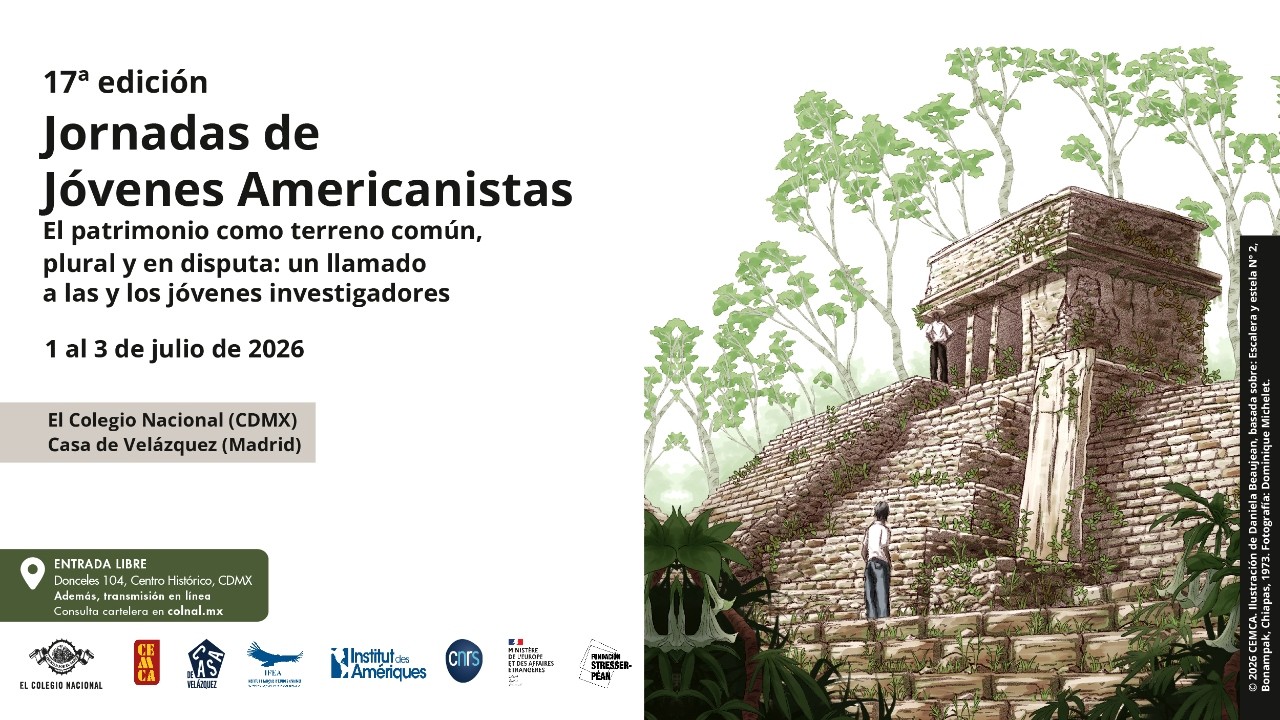
Mesa redonda 3. Patrimonio vivo
Keywords
Summary
130 words
Critical Evaluation
The video presents a high-quality academic discussion on intangible cultural heritage, with a focus on the role of communities. Carolina Buenrostro Pérez’s presentation is well-researched, drawing on documentary analysis of UNESCO nominations and historical context. She provides a clear historical trajectory from the 1970s to the 2003 Convention, highlighting the shift from folklore to community-centered approaches. Her analysis of 11 Mexican nominations is insightful, revealing that only two show genuine community participation, which is a critical finding. The categorization of communities into ethnic, practice-based, and circumscribed types is a useful analytical framework. The presentation is rigorous, with references to UNESCO documents and conventions, though it lacks direct citations to specific sources. The other two presentations are shorter and less detailed, but they complement the theme. The moderation is effective, and the discussion is coherent. The title accurately reflects the content. Overall, the video is valuable for those interested in cultural heritage studies, offering a critical perspective on the implementation of UNESCO conventions in Mexico. The main limitation is the lack of visual aids and the reliance on spoken presentation, which may affect comprehension. The video does not include a public Q&A, but the presentations are substantive.
196 words
Title / Content Match
The title accurately reflects the content, which is a roundtable discussion on living heritage.
Quality & Reliability
7/10
The video is a roundtable discussion with academic experts presenting research on intangible cultural heritage. The content is well-structured, based on documentary analysis and historical review, and references UNESCO conventions and guidelines. However, it is a presentation of ongoing research and opinions, not peer-reviewed publications, and lacks direct citations to specific sources in the video.
Key Moments
Markers derived by PSI from the transcript: the creator did not define chapters.
- Introduction to the roundtable on living heritage.
- Carolina Buenrostro Pérez begins her presentation on changes in conceptions of living heritage in Mexico.
- Historical overview from the 1970s to the 2003 UNESCO Convention.
- Analysis of 11 Mexican nominations to UNESCO lists.
- Discussion on community participation and types of communities.
- Johanna Carvajal González presents on muralism as living heritage.
- Hugo Daniel López Hernández discusses property marks in heritage libraries.
Cited Sources
- UNESCO Convention for the Safeguarding of the Intangible Cultural Heritage (2003) — Referenced as the key international framework for intangible cultural heritage.
- UNESCO Operational Directives — Mentioned as guidelines for implementing the Convention.
- UNESCO Ethical Principles for Safeguarding Intangible Cultural Heritage — Referenced as principles guiding community participation.
Concurring Sources
- UNESCO Convention for the Safeguarding of the Intangible Cultural Heritage (2003) — The video's analysis aligns with the Convention's emphasis on community participation.
Contribution & Novelties
The video provides an original analysis of Mexican nominations to UNESCO, highlighting the gap between discourse and practice in community participation. It offers a typology of communities and critiques the prioritization of representative lists over urgent safeguarding.
Pour aller plus loin :
- UNESCO Intangible Cultural Heritage — Official definition and examples.
- Convention for the Safeguarding of the Intangible Cultural Heritage — Full text of the 2003 Convention.
- Operational Directives — Detailed guidelines for implementation.
- Ethical Principles — Principles for safeguarding intangible heritage.
- UNESCO List of Intangible Cultural Heritage in Mexico — List of Mexican elements inscribed.
96 words
Radar Profile
The radar profile shows high scores in quantity of information and technical level, indicating a dense and specialized presentation. Quality and reliability are moderate, reflecting the academic nature but lack of direct citations.