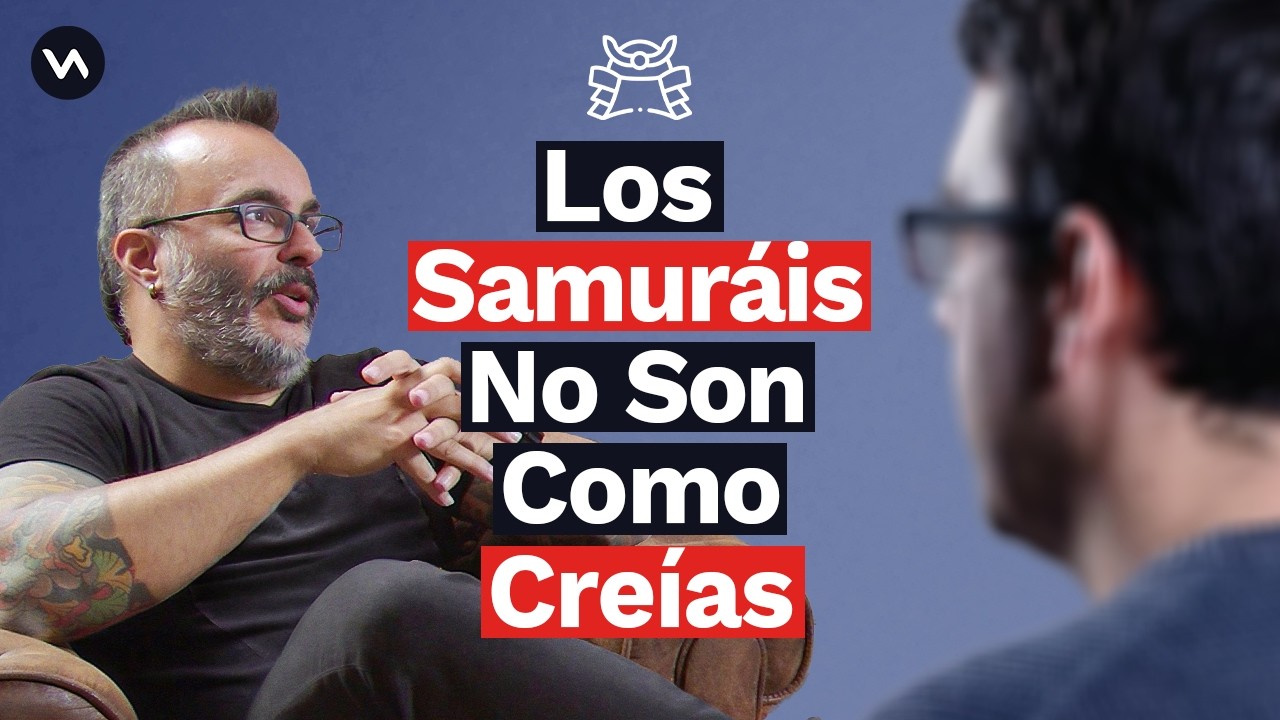
Experto en Historia Japonesa: La Mentira nº1 sobre los Samuráis | Jonathan López-Vera
Keywords
Summary
162 words
Critical Evaluation
The interview provides a valuable and nuanced perspective on samurai history, correcting widespread misconceptions. López-Vera’s expertise is evident, and he supports his claims with historical context and examples. The discussion is well-structured, moving from the origins of the samurai to specific myths and their origins. The argumentation is solid, though some points could benefit from more direct citations to primary sources. The quality of information is high, and the guest’s academic background lends credibility. The title’s promise to reveal ’the biggest lie about samurai’ is somewhat sensational but the content delivers substantive debunking. The inclusion of a sponsor segment is clearly marked and does not detract from the content. Overall, this is a reliable and informative resource for those interested in Japanese history, though viewers should be aware that it is an interview format with personal insights rather than a peer-reviewed lecture.
142 words
Title / Content Match
The title is slightly sensationalist but accurately reflects the main theme of debunking myths about samurai.
Quality & Reliability
8/10
The guest is a PhD in Japanese history and a university professor, providing expert insights. The content is based on historical research and debunks common myths. However, the format is an interview, which may include personal interpretations, and some claims lack direct citations within the video.
Chapters
Cited Sources
- Jonathan López-Vera's website — Official website of the historian, providing further information and publications.
- NordVPN (sponsor) — Sponsor link mentioned in the video description.
- Vidas Ajenas Club (Skool) — Community platform for the channel's audience.
- Video: Los mitos sobre los VIKINGOS — Related video on Viking myths, recommended by the channel.
- Video: Lección Magistral de un Viejo Profesor de Griego — Related video on Greek studies, recommended by the channel.
- Video: Experto en Teología: Superdotado deja a todos sin palabras sobre DIOS — Related video on theology, recommended by the channel.
Concurring Sources
- Bushido: The Soul of Japan — The book by Nitobe Inazō, which the video claims invented the modern Bushido code.
Dissenting Sources
Contribution & Novelties
The interview offers a fresh perspective on samurai history by debunking popular myths and providing a more humanized view of the samurai. It highlights the economic and social realities of the samurai class, the evolution of their role, and the modern construction of the Bushido code. The discussion also clarifies the etymology of the term ‘samurai’ and the historical context of the Genpei War.
Pour aller plus loin :
- Bushido — Wikipedia article on the code of the samurai, its historical development and modern reinterpretation.
- Genpei War — Wikipedia article on the conflict between the Taira and Minamoto clans.
- Yasuke — Wikipedia article on the African samurai, providing historical context and sources.
- Nitobe Inazō — Wikipedia article on the author of ‘Bushido: The Soul of Japan’, which is discussed in the video.
132 words
Radar Profile
The radar profile shows high scores in quantity and quality of information, with a moderate level of technical depth. The reliability is strong, reflecting the expert guest and evidence-based discussion.
💬 Positif : les commentaires sont largement positifs, saluant la qualité de l'interview et la démythification, avec quelques discussions sur des points spécifiques.