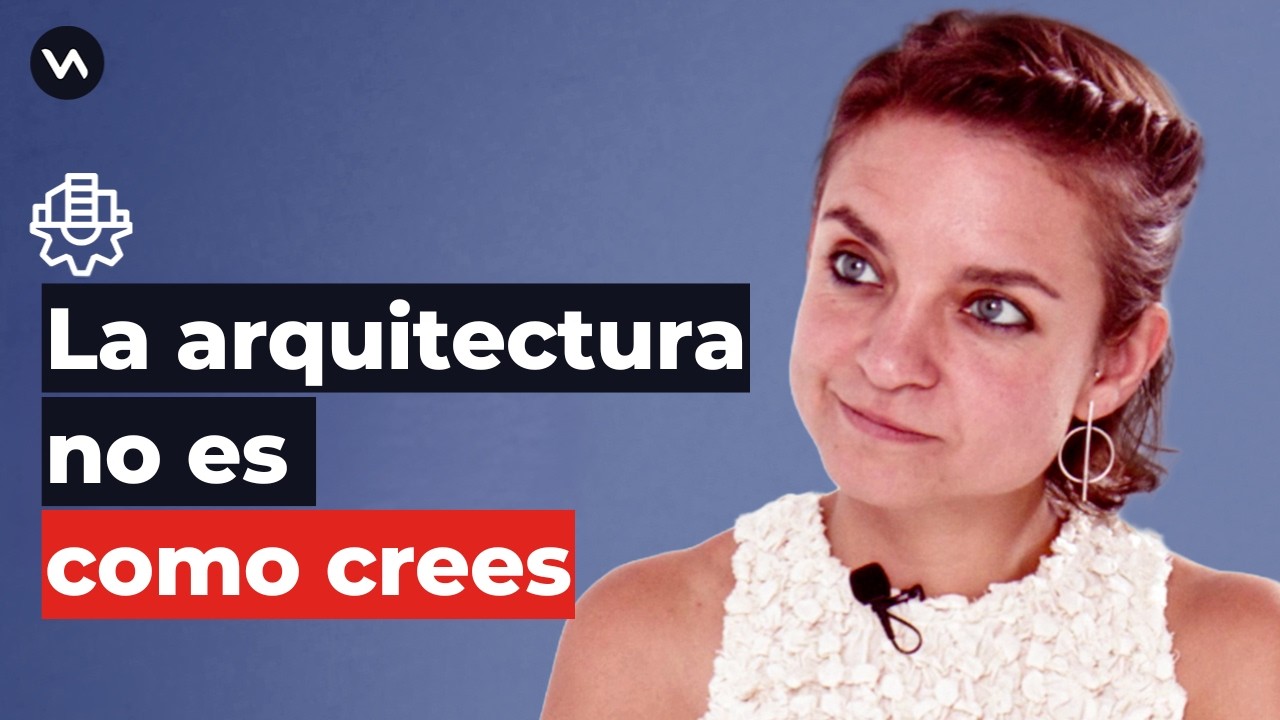
Experta en NeuroArquitectura: El Diálogo Invisible con tu Casa | Ana Mombiedro
Keywords
Summary
150 words
Critical Evaluation
The interview provides a compelling introduction to neuroarchitecture, blending personal narrative with scientific concepts. Mombiedro’s credentials as an architect and neuropsychologist lend credibility to her explanations. She effectively communicates complex ideas, such as sensory modalities and the dialogue between body and space, in an accessible manner. However, the discussion often relies on anecdotal evidence and personal experiences rather than citing specific studies. For instance, she mentions the work of Steve Drapper on 33 senses but does not provide a reference. Similarly, she references the healing effects of nature without citing the famous study by Ulrich (1984). The argumentation is generally sound, but the lack of concrete citations weakens the scientific rigor. The interview also touches on ethical considerations, such as neuro-rights, but does not delve deeply into them. The title accurately reflects the content, and the video is well-structured with clear chapters. Overall, the content is valuable for raising awareness about neuroarchitecture, but it would benefit from more rigorous sourcing and deeper exploration of the scientific evidence.
167 words
Title / Content Match
The title accurately reflects the content, as the video is an in-depth interview with a neuroarchitecture expert discussing the invisible dialogue between spaces and the human body.
Quality & Reliability
7/10
The interview features a trained architect and neuropsychologist, providing credible insights into neuroarchitecture. However, the discussion relies heavily on personal experience and anecdotal evidence, with limited reference to specific peer-reviewed studies. The scientific claims are generally plausible but not always rigorously sourced.
Chapters
- El impacto invisible: Por qué tu casa es una extensión de tu cuerpo.
- ¿Qué es la Neuroarquitectura? La ciencia que mide el diálogo entre el espacio y el cerebro.
- Mensajes sensoriales: Cómo los edificios nos "hablan" al cuerpo (El caso del Santuario de Arantzazu).
- Geometría vs. Biología: Por qué las ciudades modernas no hablan el lenguaje del ser humano.
- Más de 5 sentidos: La teoría de los 33 (o hasta 51) sentidos y cómo percibimos el mundo.
- Diseñar para la ceguera: El fascinante reto de traducir la vista al oído y al tacto.
- Colores y Cerebro: ¿Realmente el amarillo nos excita? Mitos y realidades del diseño.
- Naturaleza y Salud: La evidencia científica de por qué ver árboles acelera la curación.
- Estrés y densidad: Cómo la ciudad altera nuestro ritmo al caminar y nuestro carácter.
- La casa como espejo mental: Cómo un psicólogo puede "ver" la enfermedad en el desorden de un hogar.
- Arquitectura y Sociedad: El caso de las saunas en Finlandia y el espacio social.
- Ética y Neuroderechos: ¿Podemos usar el diseño para manipular la mente? El trabajo de Rafael Yuste.
- La cocina como política: Cómo la distribución de una casa condiciona los roles de género.
- CONSEJOS PRÁCTICOS: Cómo auditar tu propia casa para mejorar tu bienestar hoy mismo.
- El futuro de la disciplina: Hacia una arquitectura que cuide de las personas.
Cited Sources
- Vidas Ajenas Club — Community link mentioned in the description for further learning and sharing.
Concurring Sources
- Vidas Ajenas Club — Community link mentioned in the description for further learning and sharing.
Contribution & Novelties
The video offers a unique perspective on neuroarchitecture by combining personal insights from an architect and neuropsychologist. It emphasizes the importance of sensory modalities and the need to design spaces that align with human biology. The discussion on sensory maps and the ethical implications of neuroarchitecture provides a fresh angle.
Pour aller plus loin :
- Neuroarchitecture: How the built environment affects our brain — A relevant article on the topic.
- The Brain and the Built Environment — A scientific review on the neural basis of architectural experience.
- Ulrich’s study on view through a window — A classic study on nature and healing, relevant to the discussion on nature and health.
110 words
Radar Profile
The radar profile shows high scores in quantity of information and global reliability, indicating a content-rich and credible discussion. The technical level is moderate, making it accessible to a general audience while still providing depth.