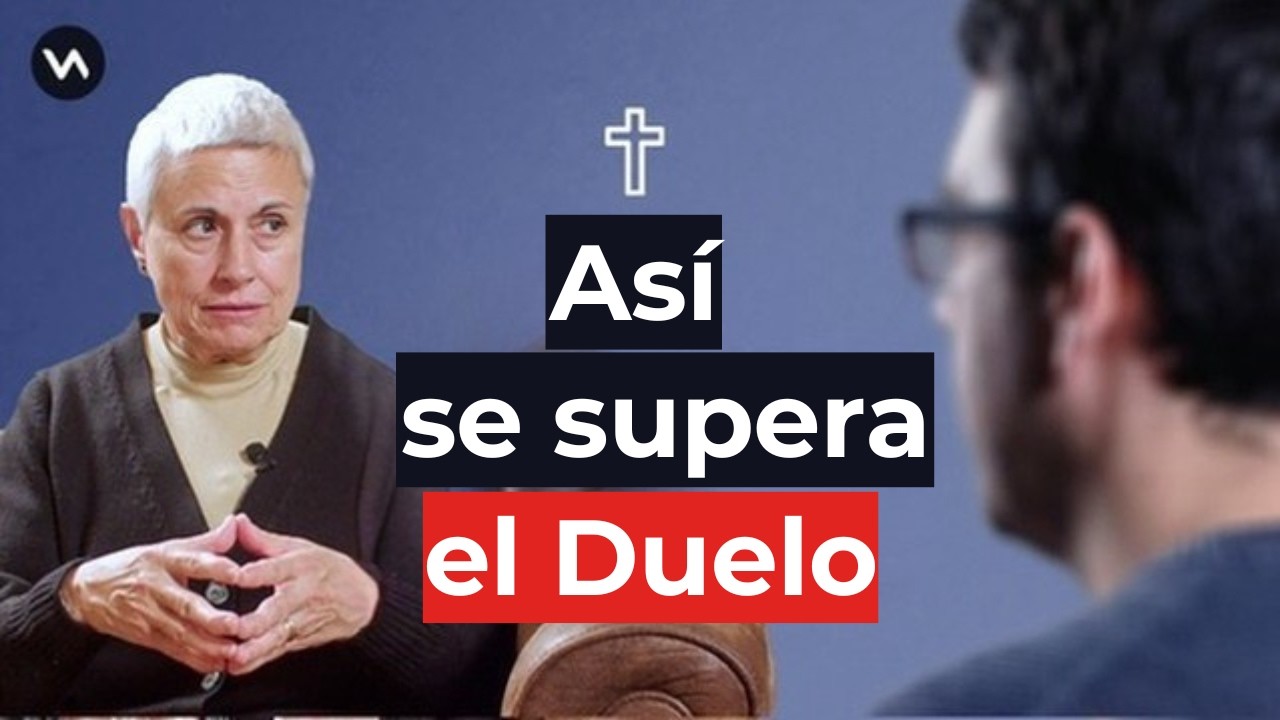
Experta en Duelo: Lo que Nadie te Enseña sobre Perder a un Ser Querido | Xusa Serra
Keywords
Summary
186 words
Critical Evaluation
The interview provides valuable insights into palliative care and grief from a highly experienced professional. Xusa Serra’s expertise is evident through her detailed personal stories and professional knowledge. The content is rich in practical wisdom, such as the importance of self-care for caregivers and the need for honest communication with dying patients. The argumentation is coherent and grounded in real-life experiences, which enhances its credibility. However, the information is largely anecdotal and based on personal opinion rather than systematic research. While Serra’s credentials are strong, the lack of references to scientific studies or evidence-based practices limits the scientific rigor. The video’s production quality is good, with clear audio and engaging storytelling. The title accurately reflects the content, and the interview stays on topic throughout. The presence of a sponsored segment for a therapy platform is clearly disclosed and does not detract from the core content. Overall, the video is a valuable resource for anyone interested in understanding death and dying from a compassionate and experienced perspective, but it should be complemented with more evidence-based sources for a comprehensive understanding.
179 words
Title / Content Match
The title accurately reflects the content: an expert in grief and palliative care shares insights on accompanying the dying and dealing with loss.
Quality & Reliability
8/10
The content is based on the extensive professional experience of Xusa Serra, a palliative care nurse with decades of practice, academic background in anthropology and thanatology, and author of a book on the topic. The information is presented as personal and professional insights rather than peer-reviewed research, but it is grounded in established palliative care principles. The host provides context and the guest's credentials are credible. The video includes a sponsored segment, but it is clearly separated and does not affect the core content.
Chapters
- Introducción
- ¿Deberíamos hablar más de la muerte?
- Cuando se moría en casa, no en el hospital
- Cómo el hospital esconde la muerte
- Su primer encuentro con la muerte, a los 4 años
- Qué son los cuidados paliativos
- Cómo acabó dedicándose a esto
- La abuela, los conejos y la gratitud de no padecer
- Su primera muerte acompañada, con 13 años
- Acompañar, no cuidar
- Orejas de elefante y boca de hormiga
- Para acompañar al otro, primero acompáñate a ti mismo
- ¿Hay que decirle a alguien que se está muriendo?
- De qué hablamos en la recta final
- Las tres últimas cosas de Nuria: el mar, la horchata y su perro
- ¿Tenemos miedo a morir?
- Lo que de verdad da miedo: el dolor
- Palabras mágicas para despedirse
- Los tres trabajos para que te recuerden
Cited Sources
- BetterHelp — Sponsor of the video, offering online therapy services.
- Vidas Ajenas Club (Skool) — Community platform for further learning and discussion.
- Así funciona un cerebro traumatizado — Related video on the channel about trauma and the brain.
- Cerebros rotos — Related video on the channel about brain damage.
- El Sentido de la Vida — Related video on the channel about the meaning of life.
Concurring Sources
- Palliative care - World Health Organization — WHO defines palliative care as an approach that improves the quality of life of patients and their families facing life-threatening illness, consistent with the video's emphasis on comfort and support.
Dissenting Sources
- Placebo effect in palliative care — Some studies suggest that the placebo effect may play a role in palliative care interventions, which could be seen as conflicting with the video's emphasis on the benefits of palliative care without discussing potential limitations.
Contribution & Novelties
The video offers a unique perspective on death and dying from a palliative care nurse with decades of experience. It emphasizes the importance of talking about death and the value of accompanying the dying with compassion and honesty. The personal anecdotes provide a human touch that is often missing in clinical discussions. The video also highlights the need for self-care among caregivers and the significance of meaningful goodbyes.
Pour aller plus loin :
- Palliative care - World Health Organization — Official WHO fact sheet on palliative care, providing evidence-based information.
- Grief - American Psychological Association — APA resource on grief, offering psychological insights and support.
- Thanatology - Wikipedia — Overview of the study of death and dying, relevant to the guest’s background.
122 words
Radar Profile
The radar profile shows high scores in quantity and quality of information, reflecting the depth of the interview and the expertise of the guest. The technical level is moderate, as the content is accessible to a general audience. The overall reliability is high, though it relies on anecdotal evidence rather than systematic research.
💬 No comments were provided for analysis.