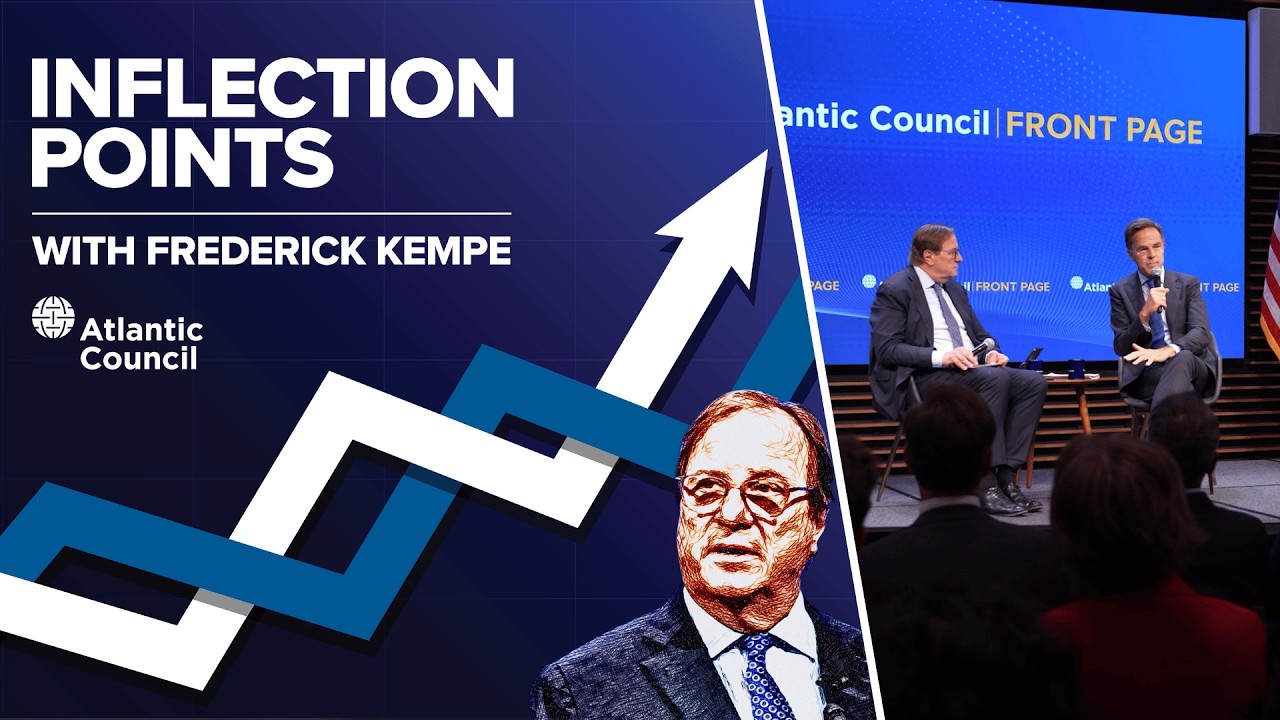
Secretary General Mark Rutte on Trump, Europe, and the future of NATO
Keywords
Summary
181 words
Critical Evaluation
The video presents a high-level discussion with NATO Secretary General Mark Rutte, offering valuable insights into current NATO strategy and transatlantic relations. The information is primarily opinion and strategic narrative, rather than empirical data or original research. Rutte’s arguments are coherent and well-articulated, but they are not independently verifiable within the video. The interview format allows for depth but also introduces potential bias, as Rutte is a key stakeholder with a vested interest in presenting NATO in a positive light. The discussion of defense spending figures and the ‘NATO 3.0’ concept is plausible and aligns with publicly known trends, but specific numbers (e.g., $1.2 trillion, 20% increase) are not sourced. The video does not address counterarguments or potential criticisms of NATO’s expansion or the burden-sharing debate. The title accurately reflects the content, and the conversation stays on topic. Overall, the video is informative for understanding the official NATO perspective, but viewers should seek additional sources for a balanced view. The lack of citations and the reliance on the interviewee’s assertions limit its scientific rigor, but as an expert opinion, it holds value.
182 words
Title / Content Match
The title accurately reflects the content: a conversation with NATO Secretary General Mark Rutte about Trump, Europe, and NATO's future.
Quality & Reliability
7/10
The video features a high-level expert (NATO Secretary General) discussing current geopolitical issues, but it is primarily an opinion/interview format without verifiable data or citations. The information is plausible and consistent with known facts, but lacks independent verification.
Key Moments
Markers derived by PSI from the transcript: the creator did not define chapters.
- Introduction to the interview and context of Rutte's meetings.
- Rutte explains NATO 1.0, 2.0, and the emergence of NATO 3.0.
- Discussion on transatlantic tensions and the need for a 'marriage counselor'.
- Rutte addresses misconceptions about NATO's value to the US, citing 'Epic Fury'.
- Rutte details European defense spending increases and the 2% target achievement.
- Discussion on 'simultaneity' and the pace of European defense buildup.
- Rutte emphasizes the need for a defense industrial revolution.
- Rutte discusses European assumption of combatant commands and support for Ukraine.
- Closing remarks on the importance of transatlantic unity.
Concurring Sources
- NATO Official Website — General information on NATO's structure and activities.
Contribution & Novelties
The video provides a first-hand account of NATO’s strategic direction under Secretary General Rutte, introducing the ‘NATO 3.0’ concept as a framework for understanding the alliance’s evolution. It offers specific, albeit unverified, figures on defense spending and highlights the operational importance of European bases for US military actions. The discussion of ‘simultaneity’ adds nuance to the burden-sharing debate.
Pour aller plus loin :
- NATO official website — Official source for NATO policies and statements.
- The North Atlantic Treaty (1949) — Foundational treaty of NATO.
- NATO Defense Expenditure Data — Official data on defense spending by member states.
- Elbridge Colby’s speech on NATO 3.0 — Likely source of the term, but URL not verified; consider searching for it.
117 words
Radar Profile
The radar profile shows high scores in quantity and quality of information, reflecting the depth of the interview, but lower technical level due to the non-specialist audience. Reliability is moderate, as the content is opinion-based without external verification.
💬 No comments were provided for analysis.