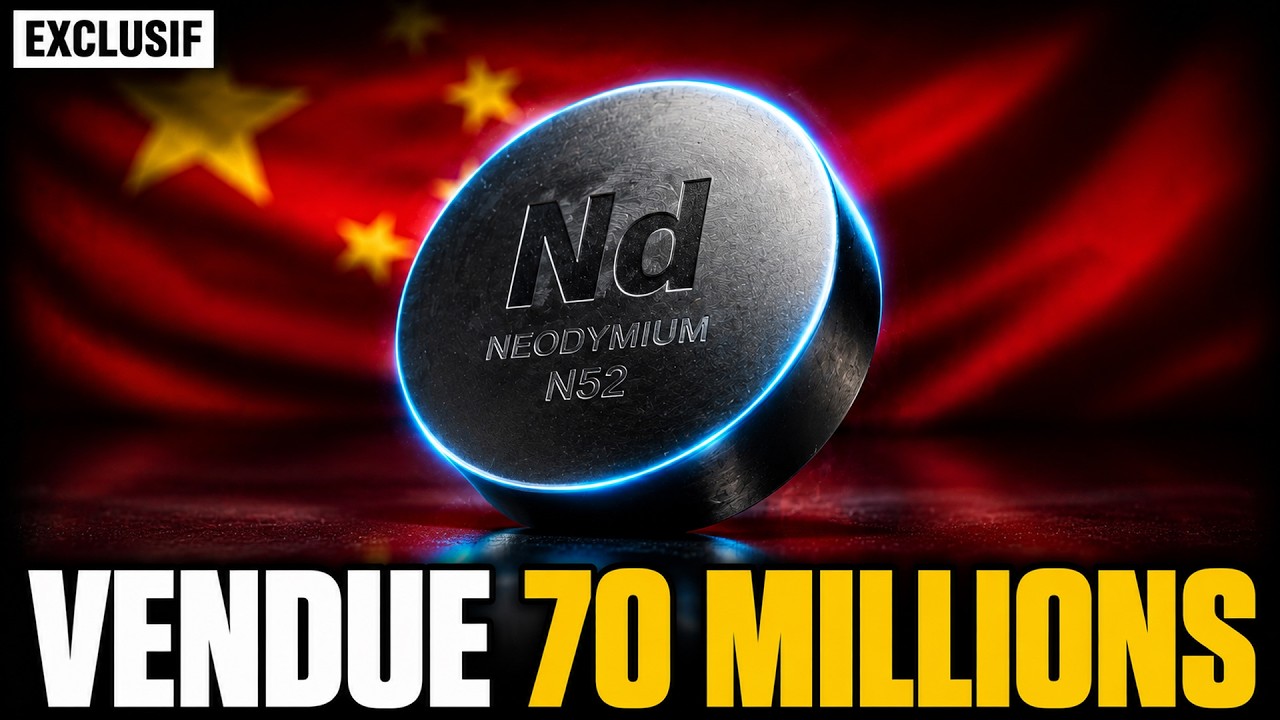
L'Amérique A Vendu À La Chine La Technologie De Ses Propres Missiles Pour 70 Millions
America Sold Its Own Missile Technology to China for $70 Million
Keywords
Summary
168 words
Critical Evaluation
Value of the Information & Strength of the Argument
The video provides a valuable synthesis of well-known cases of technology transfer, framing them within a coherent narrative about the difference in time horizons between Western capitalism and Chinese state planning. The argument is structured logically, moving from specific examples to a general pattern, and it effectively challenges the simplistic narrative of Chinese theft. However, the argumentation is one-sided, presenting only the Western perspective of ‘abandonment’ without deeply exploring China’s own industrial policies, R&D investments, or market strategies. The author’s expertise is evident in the detailed examples, but the lack of counterarguments or discussion of potential Western successes weakens the overall balance.
Scientific Rigor, Source Quality, Title Accuracy
The video does not cite specific sources within the narration, but the description includes keywords and a chapter list that hint at the topics covered. The claims are plausible and align with publicly known events, but the lack of direct references to primary documents or academic studies reduces the scientific rigor. The title accurately reflects the central story about the magnet sale, and the content matches the title’s promise, though it expands to cover six additional technologies. The video’s strength lies in its narrative coherence rather than in its scholarly sourcing.
208 words
Title / Content Match
The title accurately reflects the core story about the sale of magnet technology, though the video covers a broader set of seven technologies.
Quality & Reliability
6/10
The video presents a compelling narrative supported by specific examples and figures, but lacks direct citations to primary sources. The historical claims are plausible and align with known events, but the lack of verifiable references and the author's clear editorial stance reduce the overall reliability.
Chapters
Cited Sources
- Video description — The description provides keywords and chapter markers, but no direct external links to sources.
Concurring Sources
- Wikipedia: Rare-earth magnet — Confirms the invention of neodymium magnets by General Motors and Sumitomo.
- Wikipedia: Thorium-based nuclear power — Supports the claim about the Oak Ridge reactor and China's recent thorium reactor developments.
- Wikipedia: Transrapid — Confirms the history of the German maglev and the Shanghai line.
Dissenting Sources
- No direct discordant sources provided — The video does not present opposing viewpoints, and no external sources were cited that contradict its claims.
Contribution & Novelties
The video’s original contribution lies in framing seven disparate cases of technology transfer as a single pattern of Western ‘abandonment’ versus Chinese long-term acquisition. It offers a compelling narrative that challenges the ’theft’ narrative and highlights the role of time horizons in technological competition. The examples are well-chosen and the argument is persuasive, though it does not introduce new facts but rather reinterprets known events.
Pour aller plus loin :
- Rare-earth magnet — Provides background on neodymium magnets and their applications.
- Thorium-based nuclear power — Discusses the history and potential of thorium reactors.
- Transrapid — Details the German maglev project and its Shanghai line.
- Northvolt — Information on the Swedish battery maker and its bankruptcy.
115 words
Radar Profile
The radar profile shows high scores in quantity of information and quality of information, reflecting the video's rich content and coherent narrative. The technical level is moderate, making it accessible to a general audience, while the overall reliability is slightly lower due to the lack of direct citations.