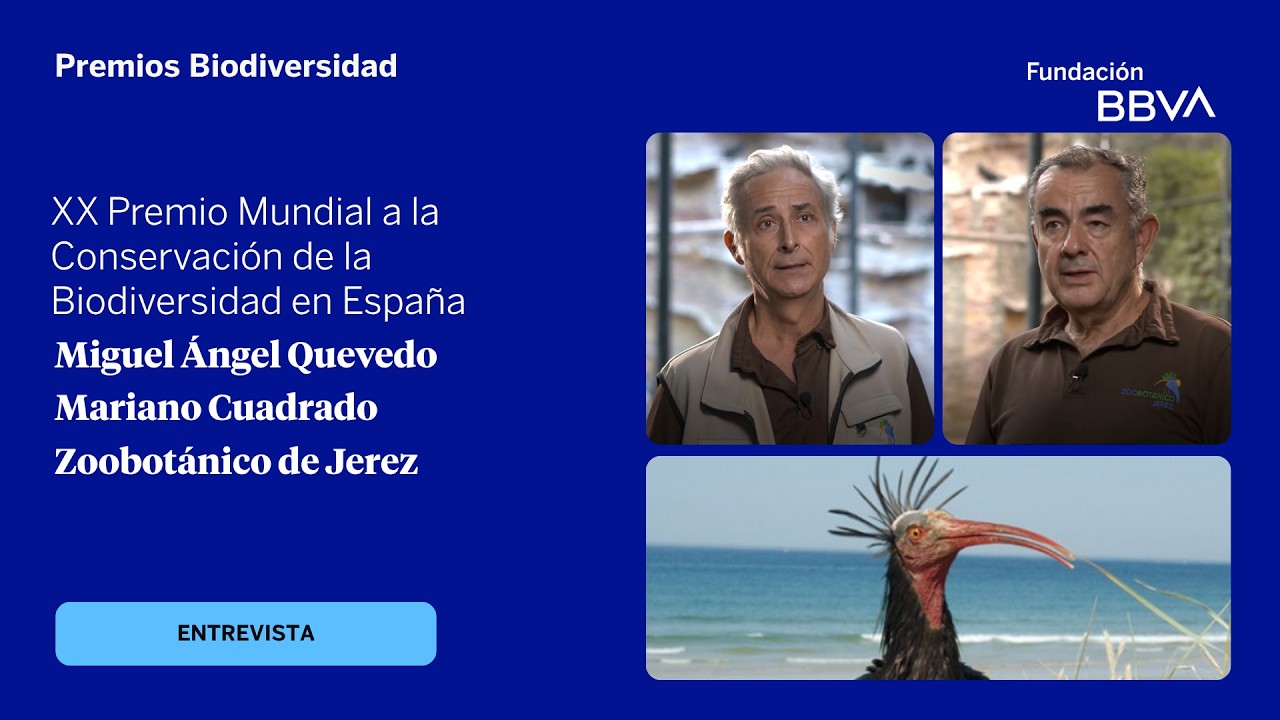
Miguel A. Quevedo y Mariano Cuadrado: “Se puede reintroducir una especie”
Keywords
Summary
189 words
Critical Evaluation
The video provides a valuable firsthand account of a successful conservation project, offering detailed insights into the practical challenges and methodologies of species reintroduction. The interviewees are directly involved in the project, lending credibility to their statements. They present specific data, such as the timeline of releases, the number of birds, and the reduction in mortality from 70-80% to 40-50% through the hacking technique. The argumentation is coherent and grounded in their experience, though it lacks references to scientific literature or independent evaluations. The discussion of the species’ historical decline and the causes (habitat loss, pesticides, hunting) is consistent with known conservation knowledge. The video also highlights the importance of genetic diversity and collaboration with international zoos and the Waldrapp Team. However, the presentation is largely anecdotal, and the lack of quantitative data on population trends or survival rates limits its scientific rigor. The title accurately reflects the content, and the video is well-structured with clear questions. Overall, it is a credible and informative source for understanding the complexities of reintroduction, but it would benefit from more robust scientific evidence and citations.
182 words
Title / Content Match
The title accurately reflects the content, as the interviewees discuss the feasibility and success of species reintroduction based on their experience with the northern bald ibis.
Quality & Reliability
8/10
The video features two experts directly involved in the conservation project, providing firsthand accounts and specific data. The information is consistent with known conservation practices, though it lacks detailed citations and independent verification.
Key Moments
Markers derived by PSI from the transcript: the creator did not define chapters.
- Introduction and question about the historical abundance of the ibis eremita.
- Discussion of the causes of the species' decline: habitat destruction, pesticides, and hunting.
- Characteristics of the ibis eremita and importance of its conservation.
- Origin of the recovery project at Zoobotánico de Jerez and international collaboration.
- Process of reintroduction: captive breeding, releases, and phases.
- Challenges faced: predation, electrocution, and development of the hacking technique.
- Successes: first breeding in 2008, colonies at Barbate and Vejer, and integration with migratory birds.
Cited Sources
- Fundación BBVA Biophilia — Official website of the Fundación BBVA's biodiversity conservation awards, providing context for the project.
- Fundación BBVA LinkedIn — LinkedIn profile of the Fundación BBVA, possibly containing updates on the project.
Concurring Sources
- Northern bald ibis - Wikipedia — Provides background on the species' historical range and conservation status, consistent with the video.
Contribution & Novelties
The video offers a detailed, firsthand account of a successful species reintroduction project, highlighting the practical steps and challenges involved. It provides specific insights into the use of the hacking technique to reduce mortality and the importance of genetic diversity and international collaboration. The project serves as a model for other reintroduction efforts.
Pour aller plus loin :
- Northern bald ibis - Wikipedia — Overview of the species, its decline, and conservation efforts.
- Waldrappteam — The Austrian project that collaborates with the Zoobotánico de Jerez to establish a migratory population.
- Hacking (wildlife management) - Wikipedia — Explanation of the hacking technique used in the project.
105 words
Radar Profile
The radar profile shows high scores in information quantity, quality, and reliability, with a slightly lower technical level, indicating a well-informed but accessible presentation suitable for a general audience interested in conservation.