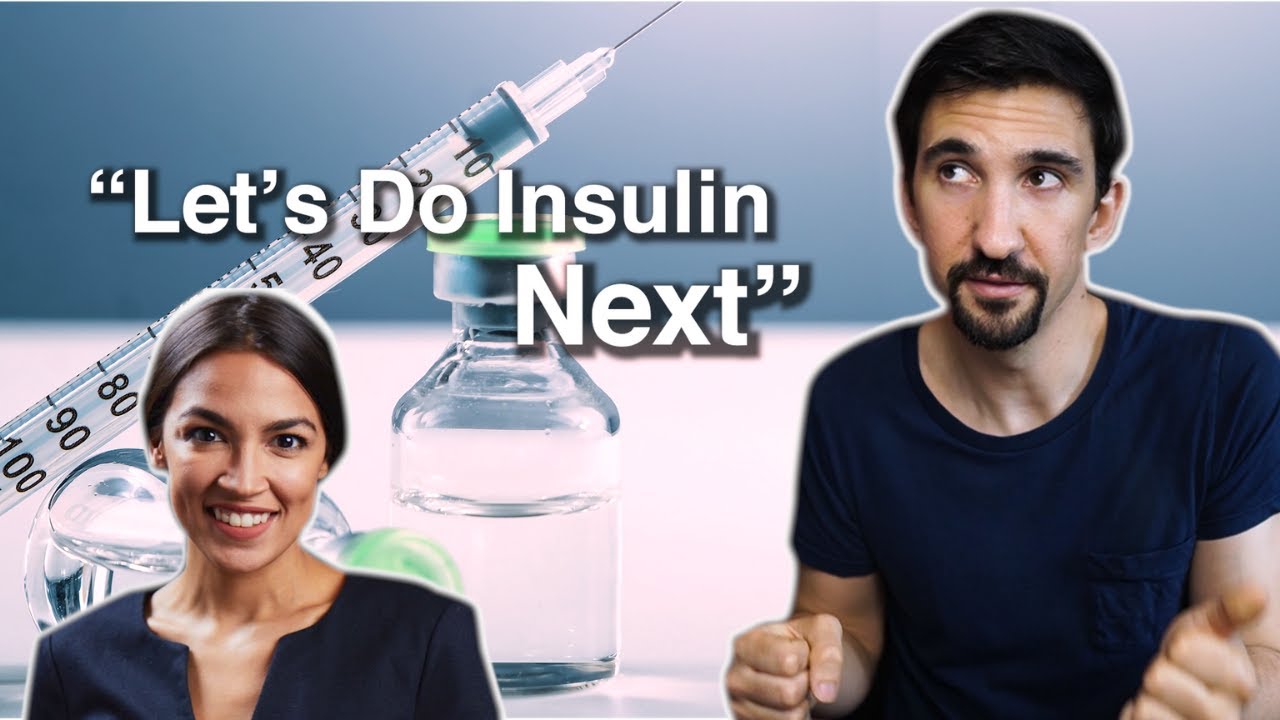
Let's Do Insulin Next
Keywords
Summary
205 words
Critical Evaluation
Value of the Information & Strength of the Argument
The video provides a valuable insider perspective on the pharmaceutical industry, particularly the role of patents in funding expensive drug development. The author’s personal experience with an insulin startup lends credibility to his arguments about the costs and risks involved. The argumentation is logically structured, moving from the general purpose of patents to the specific case of insulin and COVID-19 vaccines. He effectively uses the polio vaccine example and the Pfizer contract to illustrate his points. However, the argument is one-sided, focusing on the need for incentives without deeply exploring alternative models or the ethical implications of high drug prices. The proposed solution of price regulation is presented as a simple fix, but the complexities of implementation are not fully addressed.
130 words
Title / Content Match
The title accurately reflects the content, which discusses the proposal to apply an IP waiver to insulin, as suggested by AOC.
Quality & Reliability
7/10
The author, a PhD scientist and former CEO of a startup acquired for $800M, provides an informed opinion based on personal experience in the insulin development space. The video is a reasoned argument, but it is not a peer-reviewed analysis and relies on anecdotal evidence and simplified economic reasoning.
Key Moments
Markers derived by PSI from the transcript: the creator did not define chapters.
- Introduction: AOC's tweet and the question of IP waiver on insulin.
- Explanation of what a patent is and its purpose.
- Discussion of the polio vaccine and Jonas Salk's decision not to patent.
- Author's experience with insulin startup: costs of R&D and clinical trials.
- The role of patents in attracting investment and the risk of first-to-market.
- Proposal: keep patents but regulate prices, possibly tied to minimum wage.
Cited Sources
- Skillshare (affiliate link) — Mentioned in the video description as a resource for learning.
Concurring Sources
- Patent law — Provides background on the purpose of patents as incentives for innovation.
Contribution & Novelties
The video offers a unique perspective from an entrepreneur who has navigated the drug development process, providing concrete numbers on the costs involved. It frames the IP waiver debate in terms of incentives and risk, arguing that removing patents could stifle innovation. The suggestion to tie drug prices to minimum wage is a novel, albeit provocative, idea.
Pour aller plus loin :
- Patent law — Overview of patents and their economic rationale.
- Jonas Salk — Background on the polio vaccine developer and his stance on patents.
- Drug pricing — Discussion of pharmaceutical pricing strategies and controversies.
96 words
Radar Profile
The radar profile shows a balanced score across information quantity, quality, and reliability, with a lower technical level. This reflects the video's nature as an accessible opinion piece rather than a technical deep dive.