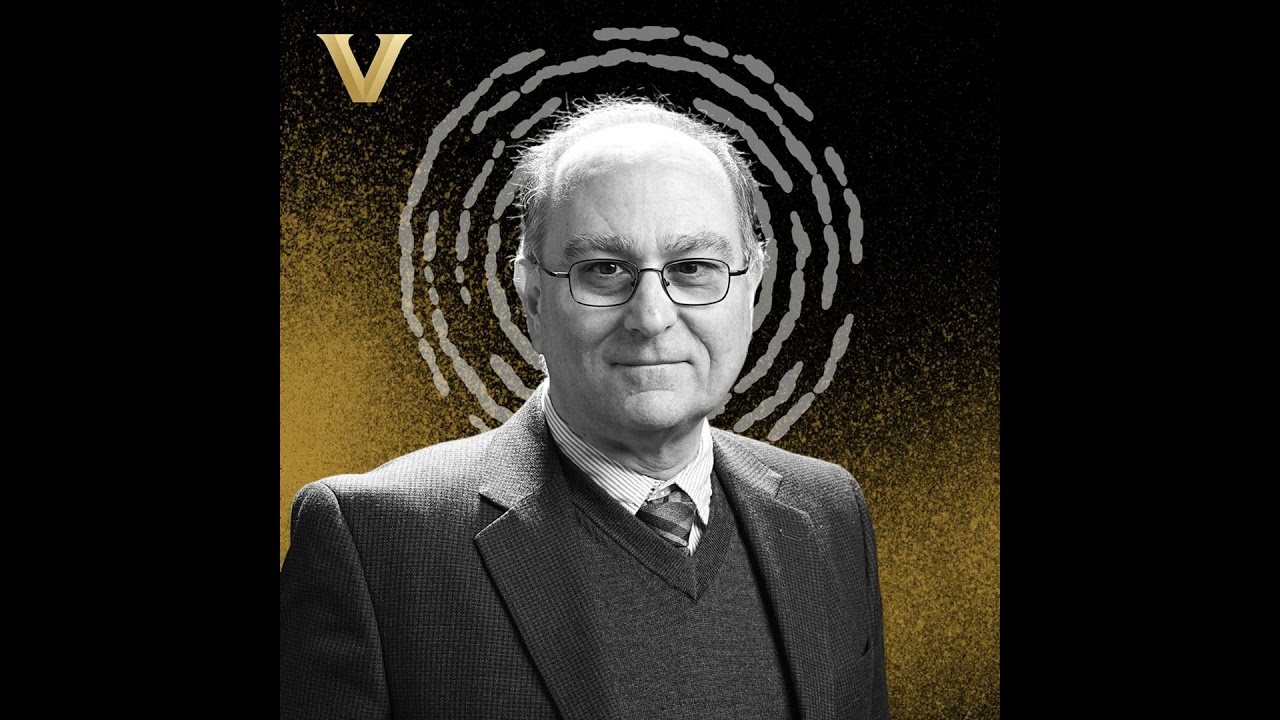
Reconnecting a Divided Democracy with Philosopher Robert Talisse
Keywords
Summary
144 words
Critical Evaluation
Value of the Information & Strength of the Argument
The value of the information is high, offering a nuanced philosophical perspective on democracy and polarization. Talisse provides a clear framework for understanding the moral burdens of democratic citizenship. His argumentation is solid, grounded in both philosophical reasoning and empirical research on belief polarization. He effectively uses examples, such as the debate on televising capital punishment, to illustrate his points. The discussion is thought-provoking and challenges common assumptions about democracy and political engagement.
Scientific Rigor, Source Quality, Title Accuracy
The scientific rigor is strong, as Talisse is a respected scholar in political philosophy. He references his own book and academic work, and the discussion is consistent with established literature on polarization. The sources cited are primarily his own and institutional links, which are reliable. The title accurately reflects the content, focusing on reconnecting a divided democracy. No comments were provided, so no analysis of public reception is included.
157 words
Title / Content Match
The title accurately reflects the content, which focuses on reconnecting a divided democracy through philosophical insights.
Quality & Reliability
8/10
The content is an expert opinion by a leading philosopher of democracy, Robert Talisse, hosted by Vanderbilt University. The discussion is grounded in academic research and philosophical argumentation, but it is not a peer-reviewed study. The production quality is high, and the claims are consistent with established literature on polarization and democratic theory.
Key Moments
Markers derived by PSI from the transcript: the creator did not define chapters.
- Introduction of the Democrat's dilemma and the moral burden of democracy.
- Definition of democracy as a practical ideal and self-governing equals.
- Discussion on belief polarization and its effects on like-minded groups.
- The problem of polarization is more about allies than adversaries.
- Example of the debate on televising capital punishment.
- The role of philosophy in questioning assumptions.
- Practical suggestions for reconnecting democracy.
Cited Sources
- Robert B. Talisse - Vanderbilt Philosophy — Profile of the guest, providing credentials and background.
- Quantum Potential Podcast — The podcast series this episode belongs to.
- Quantum Potential Homepage — General information about the Quantum Potential initiative.
- Quantum Potential Stories — Stories behind innovators and problem-solvers.
- Sound On // Sound Off — Production company for editing and mixing.
Concurring Sources
- Group Polarization - Wikipedia — Supports the discussion on belief polarization.
- Democracy - Stanford Encyclopedia of Philosophy — Provides philosophical background on democracy.
External References
Contribution & Novelties
The video provides a fresh perspective on democracy and polarization, emphasizing the moral dilemma citizens face. It challenges the common narrative that democracy fails due to apathy, instead highlighting the dangers of excessive engagement. The discussion on belief polarization offers insights into how like-minded groups become more extreme, which is a valuable contribution to understanding political tribalism.
Pour aller plus loin :
- Belief polarization - Wikipedia — Relevant to the concept of belief polarization discussed.
- Robert Talisse’s book ‘Sustaining Democracy’ — The book discussed in the episode.
- Democratic theory - Stanford Encyclopedia of Philosophy — For further reading on democratic theory.
101 words
Radar Profile
The radar profile shows high scores in information quantity and quality, reflecting the depth of the discussion. The technical level is moderate, making it accessible to a general audience. The overall reliability is high due to the expertise of the guest and the institutional backing.