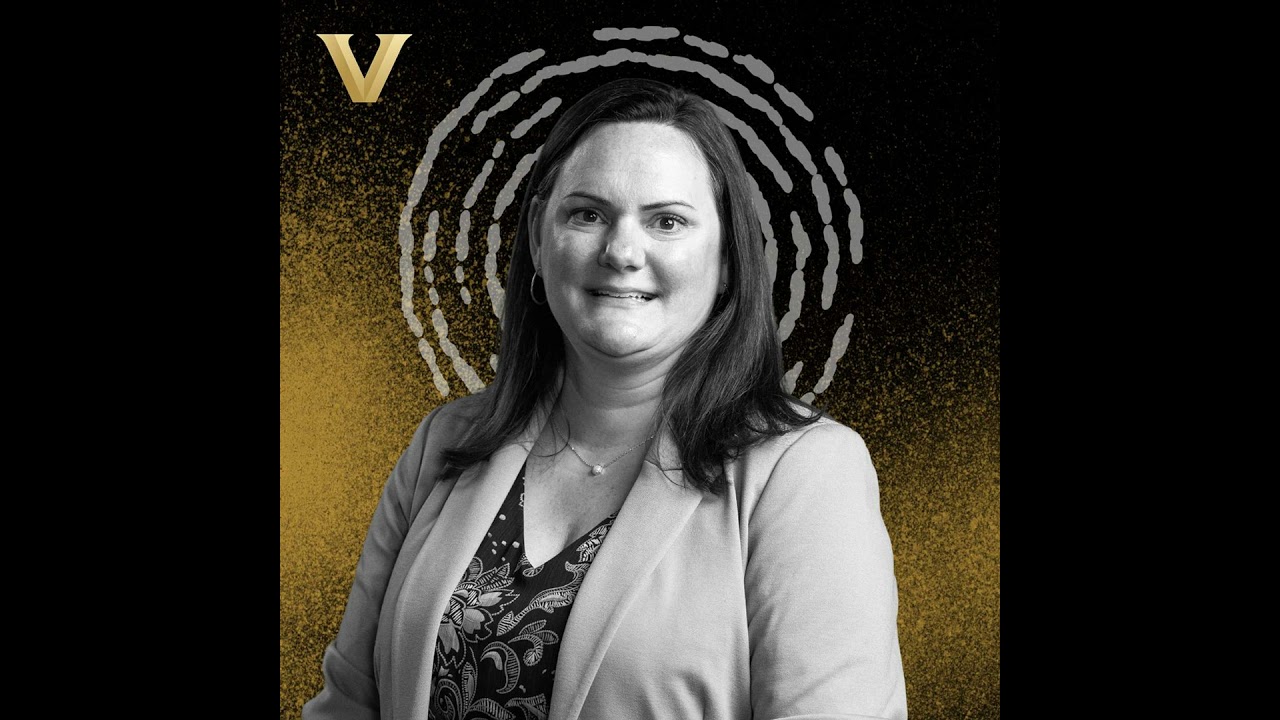
Life Through a Unique Lens: How Everyday Stories Become Breakthroughs in Documentary Film
Keywords
Summary
160 words
Critical Evaluation
Value of the Information & Strength of the Argument
The value of the information lies in the authentic, experience-based insights into documentary filmmaking, particularly the creative process and the importance of personal stories. Kramer’s arguments are well-supported by her professional background and specific examples from her own films. She effectively communicates the challenges and rewards of collaboration, and the nuanced approach to truth in non-fiction storytelling. The discussion is coherent and persuasive, though it remains at a conversational level without deep technical or theoretical analysis.
Scientific Rigor, Source Quality, Title Accuracy
The scientific rigor is moderate; the content is based on personal experience and professional practice rather than empirical research. Sources are not formally cited, but the podcast is produced by Vanderbilt University, lending institutional credibility. The title accurately reflects the content, focusing on how everyday stories become documentary breakthroughs. The discussion is well-structured and stays on topic, with no apparent discrepancies between title and content.
156 words
Title / Content Match
The title accurately reflects the content, which explores how everyday stories are transformed into documentary films through personal and collaborative processes.
Quality & Reliability
7/10
The podcast features an expert in documentary filmmaking, Mariah Kramer, who shares insights based on her professional experience and creative work. The discussion is grounded in practical knowledge and personal projects, but lacks formal citations or references to academic literature. The production is by a reputable university, adding credibility.
Key Moments
Markers derived by PSI from the transcript: the creator did not define chapters.
- Mariah Kramer discusses her early introduction to filmmaking through a family video camera.
- Kramer talks about her transition from TV broadcasting to teaching filmmaking and her MFA.
- Discussion on the importance of collaboration in film production and the role of psychology in understanding people.
- Kramer explains how she helps students find the bigger story in everyday moments, citing Sarah Polley's 'Stories We Tell'.
- Insights into the film 'This Is My Home Now' and the use of archival footage to connect past and present.
- Discussion on the ethical considerations of truth in documentary versus fiction, referencing Kramer's film 'Shirley'.
- Kramer talks about the relevance of film in the age of short attention spans and the role of film festivals in student development.
Cited Sources
- Mariah Kramer - Faculty Profile — Official faculty profile providing background on Mariah Kramer's role and work.
- Quantum Potential Podcast — The podcast series to which this episode belongs.
- Quantum Potential Main Page — General information about the Quantum Potential initiative.
- Research Sparks Stories — Stories about Vanderbilt innovators, possibly related to the podcast's themes.
- Sound On Sound Off — The team that edited and mixed the episode.
- Vanderbilt Social Media — Vanderbilt's social media hub.
Concurring Sources
- Mariah Kramer - Faculty Profile — Confirms Kramer's role and expertise in documentary filmmaking.
External References
Contribution & Novelties
The podcast offers a unique perspective on documentary filmmaking, emphasizing the value of personal stories and the creative process. It highlights the importance of collaboration and the ethical nuances of truth in non-fiction. The discussion provides practical insights for aspiring filmmakers and educators.
Pour aller plus loin :
- Documentary film — Overview of the genre and its conventions.
- Sarah Polley — Filmmaker whose work ‘Stories We Tell’ is cited as an inspiration.
- Montagnard (people) — Background on the indigenous community featured in ‘This Is My Home Now’.
- Polycystic kidney disease — Medical condition central to the film ‘Shirley’.
98 words
Radar Profile
The radar profile shows moderate scores across all dimensions, with slightly higher quality and reliability, indicating a balanced but not deeply technical discussion. The content is informative and credible but lacks extensive quantitative information or advanced technical depth.