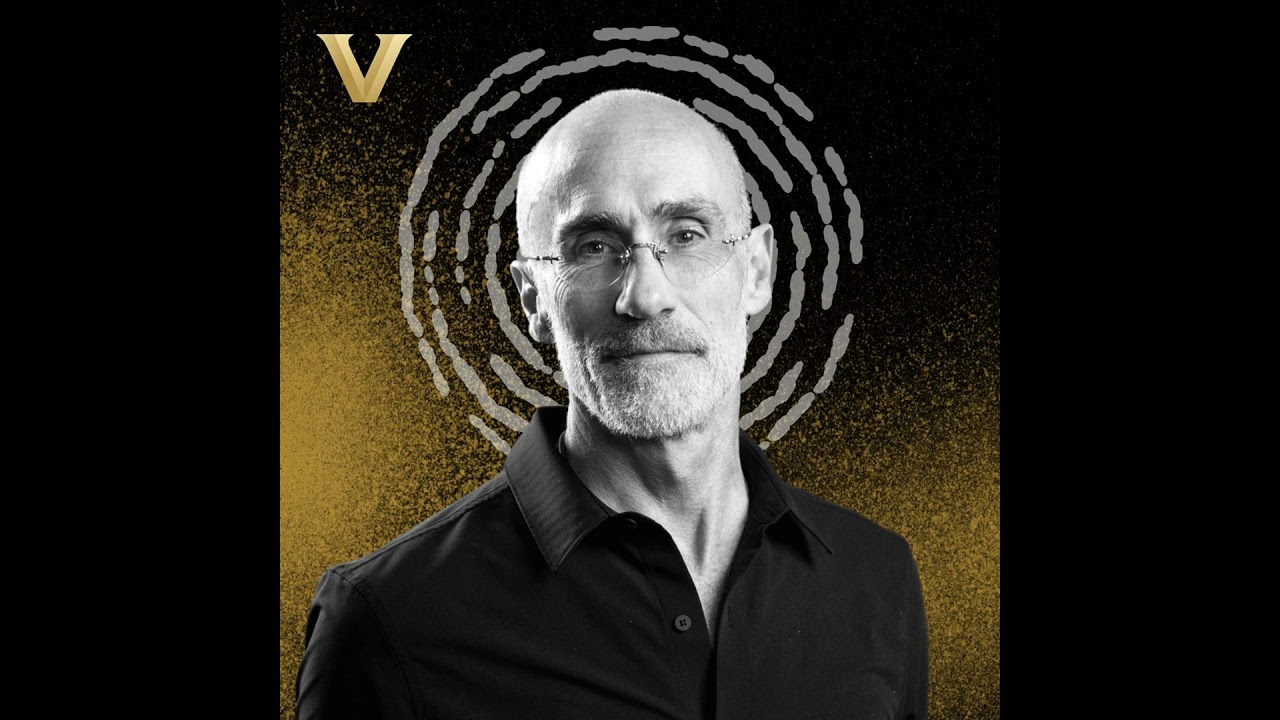
Pursuing Happiness and Success with Bestselling Author and Scholar Arthur Brooks
Keywords
Summary
182 words
Critical Evaluation
Value of the Information & Strength of the Argument
The value of the information lies in its practical insights into happiness and well-being, grounded in behavioral science and neuroscience. Brooks presents a compelling argument that happiness is a skill that can be cultivated through understanding one’s biology and adopting specific habits. He effectively challenges common misconceptions, such as the arrival fallacy and the overemphasis on achievement. The argumentation is solid, drawing on twin studies, neuroscience, and philosophical concepts like aporia and leisure. Brooks’s personal experiences add authenticity, and his recommendations are actionable. However, some claims are presented without specific citations, and the discussion is more conversational than rigorously scientific.
Scientific Rigor, Source Quality, Title Accuracy
The scientific rigor is moderate; Brooks references research on twin studies and hemispheric lateralization but does not provide detailed citations. The quality of sources is generally high, given Brooks’s academic background and the institutional context of Vanderbilt University. The title accurately reflects the content, which is a focused discussion on happiness and success. The conversation is well-structured and stays on topic, with occasional tangents that enrich the discussion. The presence of a brief promotional segment for the podcast is noted but does not detract from the content.
202 words
Title / Content Match
The title accurately reflects the content, which is a discussion about happiness and success with Arthur Brooks.
Quality & Reliability
8/10
The conversation features Arthur Brooks, a recognized scholar with a PhD in public policy analysis and extensive academic credentials. The discussion is grounded in scientific research, including twin studies and neuroscience, and references established concepts. However, as a podcast interview, it is primarily an expert opinion rather than a peer-reviewed presentation, and some claims lack specific citations.
Key Moments
Markers derived by PSI from the transcript: the creator did not define chapters.
- Introduction of Arthur Brooks and his background.
- Definition of happiness and common misunderstandings.
- Discussion on the role of the limbic system and prefrontal cortex in emotions.
- Exploration of leisure and its importance, referencing Josef Pieper.
- Personal story about meeting his wife and the thrill of not knowing.
- Discussion on AI and its limitations in addressing 'why' questions.
- The importance of embracing discomfort and curiosity in university life.
- Closing remarks and preview of next episode.
Cited Sources
- Quantum Potential Podcast — The podcast episode itself.
- Arthur Brooks to Join Faculty at Vanderbilt — Announcement of Brooks joining Vanderbilt faculty.
- Quantum Potential Stories — Stories behind innovators and problem-solvers.
- Vanderbilt Research Newsletter — Sign-up for Vanderbilt Research newsletter.
- Quantum Potential Signup — Sign-up form for Quantum Potential.
- Sound On // Sound Off — Editing and mixing team for the episode.
- Vanderbilt Social Media — Follow Vanderbilt on social media.
Concurring Sources
- Arthur Brooks - The Atlantic — Brooks's column on happiness and well-being.
- Harvard Business School - Arthur Brooks — Brooks's faculty profile at Harvard Business School.
External References
Contribution & Novelties
The episode provides a nuanced perspective on happiness, integrating behavioral science, neuroscience, and philosophy. Brooks’s emphasis on happiness as a direction rather than a destination and his practical advice on cultivating well-being through understanding genetic tendencies and habits offer valuable insights. The discussion on leisure, drawing on Josef Pieper, challenges modern misconceptions and highlights its importance for a balanced life. Additionally, Brooks’s perspective on AI and its limitations in addressing existential questions adds a timely dimension to the conversation.
Pour aller plus loin :
- Arthur Brooks - Wikipedia — Overview of Brooks’s career and works.
- Josef Pieper - Leisure: The Basis of Culture — Key text on the philosophy of leisure.
- Twin Studies - Wikipedia — Research methodology discussed in the episode.
- Ian McGilchrist - The Master and His Emissary — Work on hemispheric lateralization and the divided brain.
139 words
Radar Profile
The radar profile shows high scores in quality of information and global reliability, reflecting the expert nature of the discussion. The quantity of information is moderate, and the technical level is balanced, making the content accessible to a broad audience while still offering depth. The overall profile indicates a well-rounded and credible presentation.