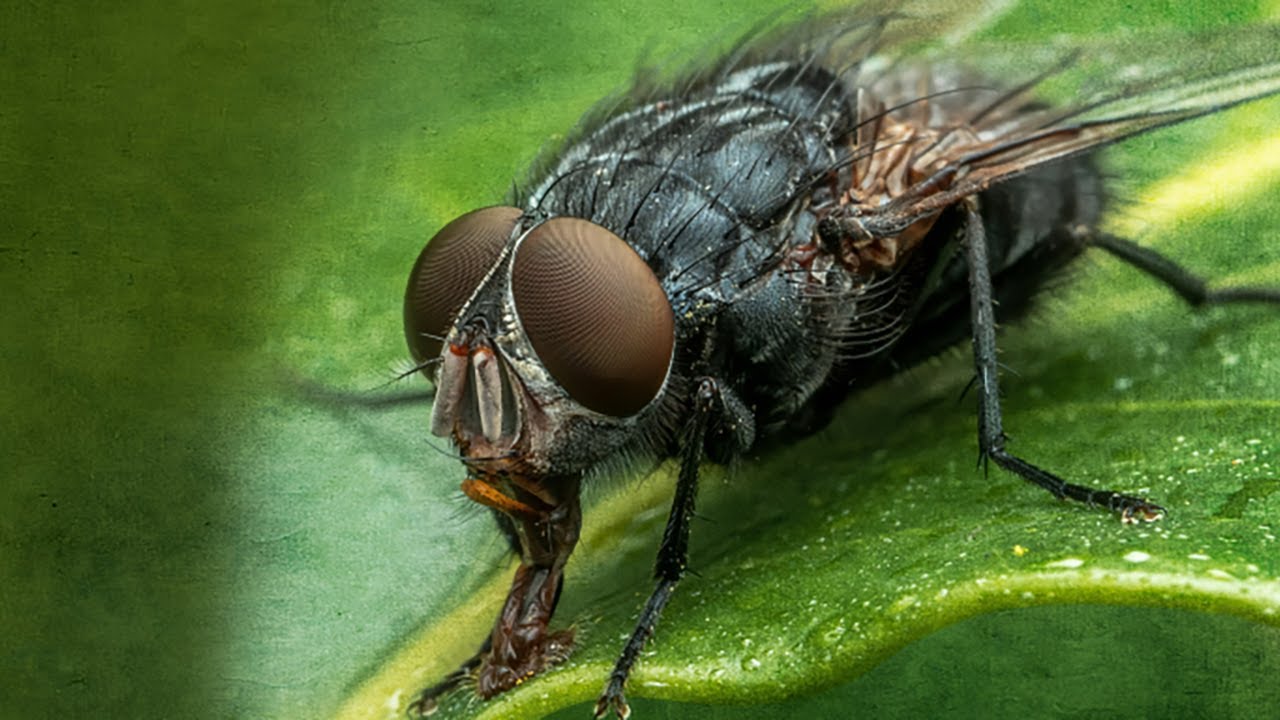
Lunch Hour Lecture | Unravelling Dementia: What Can a Tiny Fly Teach Us About Our Brains?
Keywords
Summary
211 words
Critical Evaluation
Value of the Information & Strength of the Argument
The lecture provides valuable insights into the use of model organisms in dementia research, clearly explaining the rationale and methodology. The argumentation is solid, building from epidemiological data to genetic correlation and then to experimental validation in flies. The speaker effectively communicates complex concepts such as the central dogma of molecular biology and single-cell sequencing, making them accessible. She also addresses the limitations of correlational studies and the importance of experimental proof, using humorous examples like the chocolate-Nobel Prize correlation. The evidence presented is well-structured, and the speaker cites her own published work and that of others, lending credibility to the claims.
Scientific Rigor, Source Quality, Title Accuracy
The scientific rigor is high, with the speaker referencing key studies and databases such as the UK Biobank and the Lancet Commission. She clearly distinguishes between correlation and causation and explains how flies can be used to test causality. The sources cited are appropriate and include her own research and that of other labs. The title accurately reflects the content, which is a focused lecture on using fruit flies to study dementia. No comments were provided, so no analysis of public reception is included.
201 words
Title / Content Match
The title accurately reflects the content, which focuses on using fruit flies to study dementia.
Quality & Reliability
8/10
The lecture is delivered by a senior researcher with a strong publication record, presenting established scientific concepts and her own published work. The content is consistent with current understanding in the field, though it is a popular science lecture and does not provide full methodological details.
Key Moments
Markers derived by PSI from the transcript: the creator did not define chapters.
- Introduction to dementia as an umbrella term and the most common types.
- Historical background: Alois Alzheimer and the first description of the disease.
- Global impact of dementia and projected increase in incidence.
- Explanation of protein aggregates and selective vulnerability of brain regions.
- Introduction to fruit flies as a model organism and their advantages.
- Tools for studying fly brains: connectome, genetic manipulation, and behavioral assays.
- Using flies to validate disease-causing mutations, example of C9orf72.
- Investigating selective vulnerability and identifying protective genes via single-cell sequencing.
- Overexpressing a protective gene in flies extends lifespan; replication in mice and human cells.
- Potential drug repurposing (e.g., metformin) and future directions.
Cited Sources
- Lancet Commission on dementia prevention, intervention, and care — Cited as a source for risk factors for dementia.
- UK Biobank — Mentioned as a large database for genetic studies.
- FlyConnectome — Referenced as the published connectome of the fly brain.
Concurring Sources
- Alzheimer's Research UK — The speaker is a senior fellow at this organization, which supports dementia research.
Contribution & Novelties
The lecture provides an accessible overview of how fruit flies are used to study dementia, emphasizing the concept of selective vulnerability and the potential for identifying protective mechanisms. It highlights the power of genetic tools in flies to validate disease-causing mutations and to discover genes that confer resistance to neurodegeneration. The speaker presents her own research, which has identified a protective gene that extends lifespan in flies and has been validated in mice and human cells, offering a novel avenue for therapeutic intervention.
Pour aller plus loin :
- Drosophila melanogaster — Overview of the model organism.
- C9orf72 — Gene associated with frontotemporal dementia and ALS.
- Single-cell RNA sequencing — Technique used to profile gene expression in individual cells.
- Metformin — Drug being tested for neuroprotective effects.
126 words
Radar Profile
The radar profile shows high scores in information quantity, quality, and reliability, with a moderate technical level. This indicates a well-balanced lecture that is both informative and scientifically sound, though not highly technical, making it accessible to a general audience.