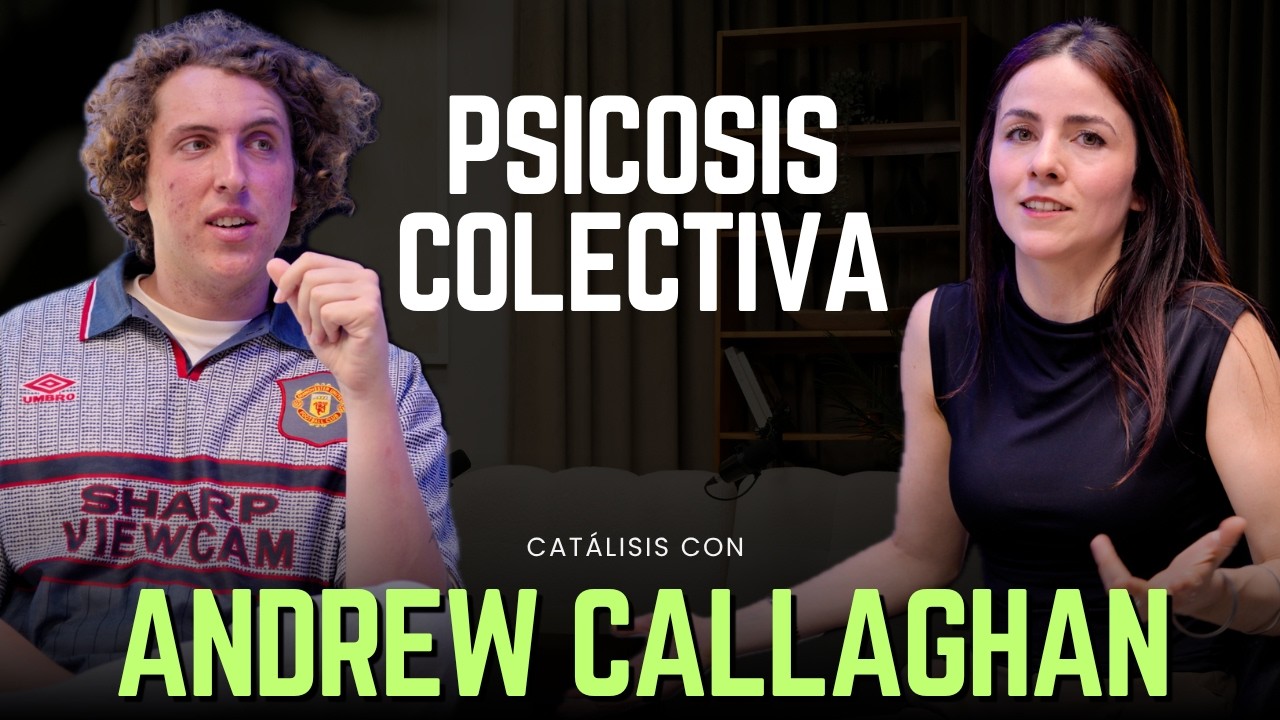
Trump, Conspiraciones y Pseudociencia con Andrew Callaghan - Catálisis EP#2
Keywords
Summary
148 words
Critical Evaluation
Value of the Information & Strength of the Argument
The interview provides valuable firsthand insights into the making of ‘Dear Kelly’ and the phenomenon of radicalization. Callaghan’s arguments are based on his extensive experience covering conspiracy movements, and he offers a coherent theory linking personal loss to susceptibility to radical ideologies. The discussion is nuanced, acknowledging the complexity of the issue and avoiding oversimplification. However, some claims lack empirical evidence, and the conversation relies heavily on anecdotal observations. The host contributes scientific context, particularly regarding fetal tissue research, which adds credibility. Overall, the argumentation is solid but could benefit from more rigorous data and citations.
Scientific Rigor, Source Quality, Title Accuracy
The video does not cite formal sources, but it references the documentary ‘Dear Kelly’ and mentions specific events and figures. The host provides some scientific explanations, but these are not backed by citations. The title accurately reflects the content, which focuses on Trump, conspiracy theories, and pseudoscience. The discussion is largely based on personal experiences and opinions, which limits its scientific rigor. However, the host and guest demonstrate a good understanding of the topics, and the conversation is well-structured. The lack of formal citations is a notable weakness, but the content is still informative and thought-provoking.
207 words
Title / Content Match
The title accurately reflects the main topics of the interview: Trump, conspiracy theories, pseudoscience, and Andrew Callaghan's perspective.
Quality & Reliability
7/10
The interview features a well-known documentarian discussing his recent work and broader social phenomena. While it offers firsthand insights and some factual claims, it lacks formal citations and relies on anecdotal evidence and personal opinions. The host provides some scientific context, but the overall reliability is moderate.
Key Moments
Markers derived by PSI from the transcript: the creator did not define chapters.
- Introduction of Andrew Callaghan and the topic of the documentary 'Dear Kelly'.
- Discussion on the theory of radicalization: loss of security, significance, and connection.
- Exploration of the role of financial loss and community breakdown in radicalization.
- Mention of Russian bot farms and the creation of QAnon.
- Discussion on the mainstreaming of conspiracy theories and the role of social media.
- Debate on the effectiveness of education as an antidote to radicalization.
- Analysis of anti-intellectualism in the US and its historical roots.
- Discussion on the importance of family and connection in preventing radicalization.
- Callaghan shares personal anecdotes about his relationship with Kelly and the aftermath of the documentary.
- Reflections on the future of political polarization and the potential for change.
Cited Sources
- Video: 'Todo el mundo IGNORA la mayor REVELACIÓN ALIENÍGENA🛸👽' — Mentioned as a related video on the channel.
- Video: 'Nueva epidemia global: La falta de sueño te va a matar.' — Mentioned as a related video on the channel.
- Video: 'Tu cerebro está envejeciendo. Esto es lo que puedes hacer.' — Mentioned as a related video on the channel.
Concurring Sources
- Dear Kelly (documentary) — The documentary is the central subject of the interview, providing firsthand evidence of radicalization.
Dissenting Sources
- Claims about fetal tissue research — The host provides scientific explanations that contradict common misconceptions, but these are not formally cited.
Contribution & Novelties
This interview provides a unique perspective on the intersection of documentary filmmaking and the study of radicalization. Andrew Callaghan’s firsthand experiences and insights into the making of ‘Dear Kelly’ offer a valuable case study for understanding how individuals become radicalized. The discussion also highlights the role of social media algorithms and foreign interference in spreading conspiracy theories. The host adds scientific context, particularly regarding fetal tissue research, which helps debunk common misconceptions. Overall, the episode contributes to the public understanding of these complex social phenomena.
Pour aller plus loin :
- Radicalization — Provides a general overview of the process of radicalization.
- QAnon — Background on the conspiracy theory movement discussed in the interview.
- Anti-intellectualism — Explores the concept of anti-intellectualism and its historical context.
124 words
Radar Profile
The radar profile shows high scores in quantity of information and quality of information, indicating a content-rich interview. The technical level is moderate, reflecting the accessible nature of the discussion. Reliability is moderate due to the lack of formal citations. Overall, the video is informative and engaging, but its scientific rigor could be improved.
💬 Très positif. Sur les 30 commentaires analysés, l'enthousiasme est unanime : les spectateurs saluent la collaboration inattendue, l'effort d'Andrew à parler espagnol, et la qualité de la conversation, avec de nombreux commentaires humoristiques sur la fibre et le spanglish.