The Power of Diversity, Science Doesn't Know Any Borders | Mandela's Legacy Webinar
Keywords
Summary
140 words
Critical Evaluation
Value of the Information & Strength of the Argument
The talk provides valuable insights into the benefits of diversity in science, supported by references to studies in Nature and other journals. The argument is persuasive, combining personal anecdotes with scientific evidence. However, the presentation is more of an opinion piece than a rigorous scientific analysis, and some claims lack detailed data.
Scientific Rigor, Source Quality, Title Accuracy
The speaker cites several scientific studies and journals, but does not provide specific citations or URLs. The title accurately reflects the content. The talk is based on the speaker’s expertise and experience, which adds credibility, but the lack of detailed references reduces the scientific rigor.
112 words
Title / Content Match
The title accurately reflects the content, which focuses on the benefits of diversity in science and the importance of borderless collaboration.
Quality & Reliability
7/10
The talk is based on the speaker's personal experience and references to scientific literature, but lacks detailed citations and rigorous data presentation. The speaker is a renowned scientist, which adds credibility, but the content is largely anecdotal and opinion-based.
Key Moments
Markers derived by PSI from the transcript: the creator did not define chapters.
- Introduction: the link between human rights, diversity, and scientific impact.
- Examples of global conservatism and xenophobia.
- Evidence from Nature on international collaboration increasing research impact.
- Case study of the Okinawa Institute for Science and Technology.
- Data analysis showing diversity correlates with higher citation rates.
- Personal example of his diverse team during COVID-19.
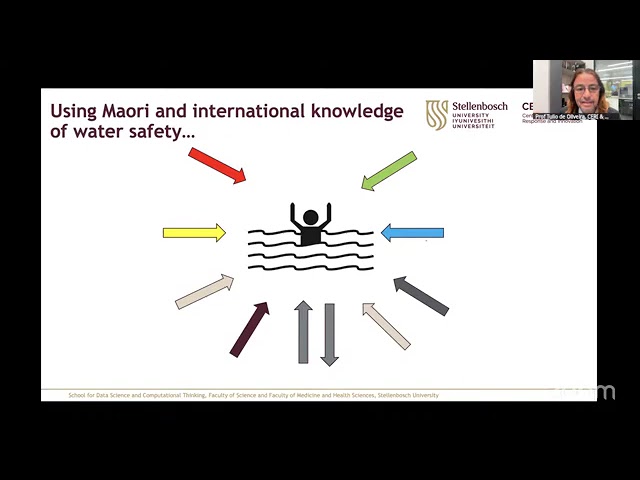
- Importance of indigenous knowledge and community engagement.
- Call for South Africa to welcome international researchers.
- Conclusion: diversity leads to better science and a better world.
Cited Sources
- Nature — Referenced for studies on international collaboration and research impact.
- New York Times — Referenced for an article on international student trends.
- Decolonizing Methodologies — Book by Linda Tuhiwai Smith, mentioned in the talk.
Concurring Sources
- Nature — Studies showing international collaboration increases research impact.
Contribution & Novelties
The talk provides a compelling argument for diversity in science, combining personal experience with scientific evidence. It emphasizes the importance of including indigenous knowledge and welcoming international researchers. The speaker’s own team’s success during COVID-19 serves as a powerful example.
Pour aller plus loin :
- Diversity and scientific progress — Overview of diversity benefits in various fields.
- Okinawa Institute of Science and Technology — Details on the institute’s borderless approach.
- Decolonizing Methodologies — Linda Tuhiwai Smith’s influential work on indigenous research.
81 words
Radar Profile
The radar profile shows high scores in quality of information and global reliability, reflecting the speaker's expertise and credible references. However, the quantity of information and technical level are moderate, as the talk is more qualitative and opinion-based than data-heavy.