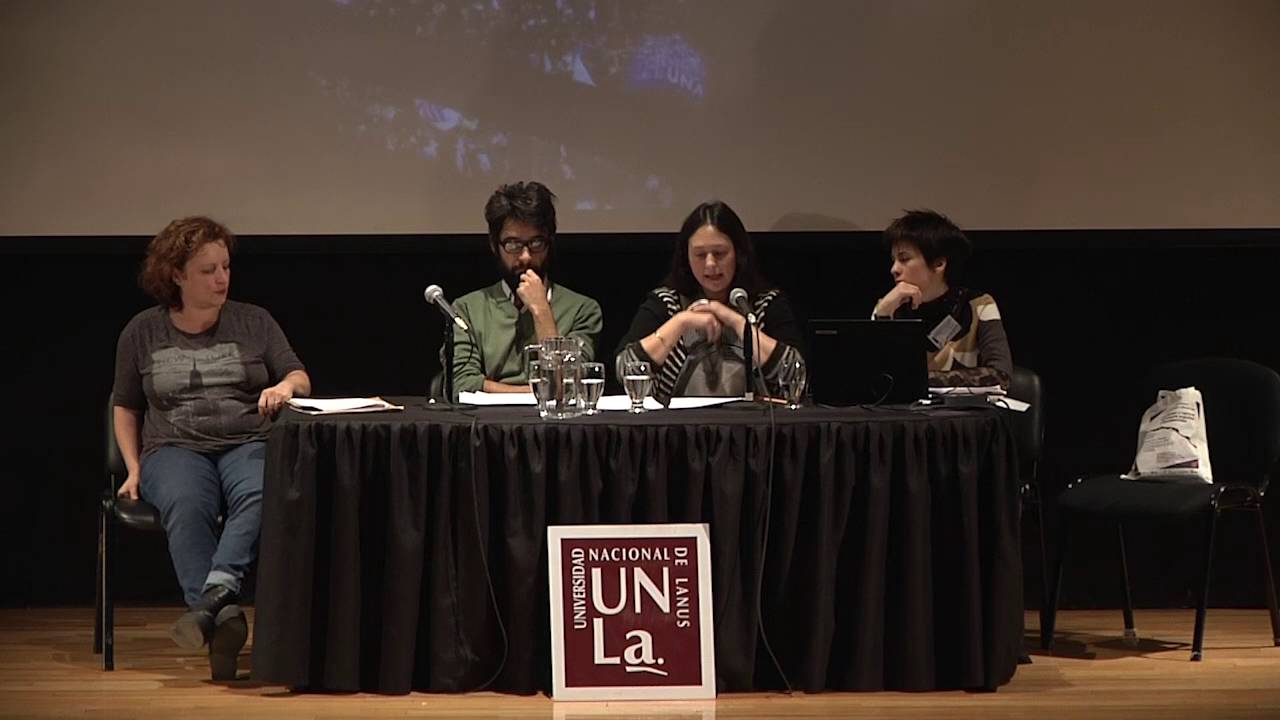
Conferencia de la Prof. Silvana Vignale
Keywords
Summary
213 words
Critical Evaluation
Value of the Information & Strength of the Argument
The lecture offers a valuable synthesis of Foucault’s concepts applied to epistemological concerns, providing a coherent argument for an expanded epistemology that includes the body and ethical dimensions. The argumentation is solid, building from personal research experiences to theoretical frameworks, and effectively integrates citations from Foucault and other thinkers. The discussion of genealogy and critical attitude is nuanced, and the introduction of availability and expectation as concepts for a new epistemology is original. The Q&A adds practical relevance by connecting theory to contemporary issues like neoliberalism and subjectivity.
97 words
Title / Content Match
The title is generic but accurately reflects the content: a conference presentation by Prof. Silvana Vignale.
Quality & Reliability
7/10
The lecture is a well-structured philosophical exposition grounded in Foucault's work, with references to Spinoza, Hegel, and contemporary thinkers. The argumentation is coherent and shows deep familiarity with the sources, though it is an opinion piece rather than a systematic review.
Key Moments
Markers derived by PSI from the transcript: the creator did not define chapters.
- Introduction and acknowledgments
- Discussion of ontological commitments and conflicts with scientific method
- Introduction of genealogy as methodology
- Explanation of genealogy and the body
- Introduction of critical attitude as method and way of life
- Discussion of availability and expectation
- Conclusion and reading of excursus
- Q&A session begins
- Q&A continues and closing remarks
Cited Sources
- Nietzsche, la généalogie, l'histoire — Referenced in relation to genealogy and the body
- Qu'est-ce que la critique? — Referenced in relation to critical attitude
- The Ethics — Referenced in relation to conatus and Spinoza
- Phenomenology of Spirit — Referenced in Q&A about recognition
Concurring Sources
- Foucault's 'The Subject and Power' — Discusses power relations and subjectivation, aligning with the lecture's themes.
- Spinoza's Ethics — Provides the concept of conatus, which the lecture uses to discuss life and power.
Dissenting Sources
- Traditional scientific method — The lecture critiques the separation of subject and object, which is a foundational assumption of the scientific method.
Contribution & Novelties
The lecture offers an original perspective by linking Foucault’s genealogy and critical attitude to the concept of the body as a site of epistemological concern. It proposes an expanded epistemology that integrates ethical dimensions and modes of life, introducing concepts like availability and expectation. This approach challenges traditional scientific methodology and opens new avenues for research.
Pour aller plus loin :
- Foucault’s genealogy — Provides background on Foucault’s essay.
- Critical attitude — Related to Frankfurt School and critical theory.
- Conatus — Spinoza’s concept of striving, relevant to the vital dimension.
- Subjectivation — Process of becoming a subject, central to Foucault’s later work.
102 words
Radar Profile
The radar profile shows high scores in quality of information and technical level, indicating a well-argued and intellectually rigorous presentation. The quantity of information is moderate, and the global reliability is high, reflecting the speaker's expertise. The overall note of 4 stars is justified by the depth and coherence of the argumentation.
💬 No comments were provided for analysis.