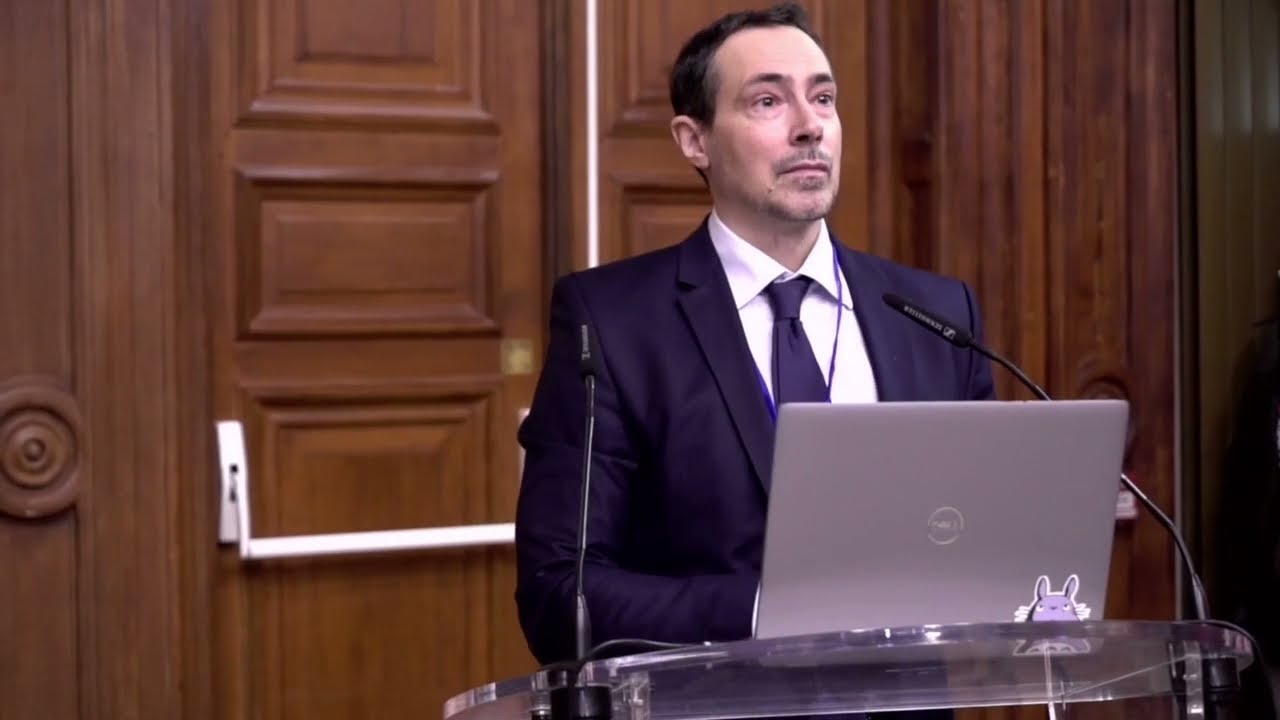
Pathophysiology: is PSVD an immune, a vascular or a coagulation disorder? - Paris PSVD Meeting
Keywords
Summary
157 words
Critical Evaluation
Value of the Information & Strength of the Argument
The presentation provides a comprehensive and nuanced overview of the current understanding of PSVD pathophysiology. It synthesizes a wide range of evidence, including drug-induced endothelial damage, immune-mediated mechanisms, and prothrombotic states, and proposes a unifying model of chronic endothelial injury. The argumentation is logical and well-structured, moving from specific triggers to common downstream pathways. The speaker acknowledges the speculative nature of some aspects and highlights areas requiring further investigation, which adds to the credibility. The value lies in its integrative approach, offering a framework for understanding the disease that could inform future research and therapeutic strategies.
Scientific Rigor, Source Quality, Title Accuracy
The presentation demonstrates scientific rigor by referencing specific studies and mechanisms, such as the role of glutathione depletion in drug-induced endothelial damage, the association with anti-endothelial cell antibodies, and the involvement of the TGF-beta pathway. However, as a conference talk, it lacks detailed citations and peer-reviewed verification. The title accurately reflects the content, which focuses on the pathophysiological debate. The description mentions the meeting and organizers, but no specific sources are listed. The talk is aimed at healthcare professionals, but this does not detract from its scientific merit.
199 words
Title / Content Match
The title accurately reflects the content, which discusses the pathophysiological mechanisms of PSVD, focusing on immune, vascular, and coagulation aspects.
Quality & Reliability
8/10
Presentation by an expert in hepatology, based on a synthesis of current research and clinical experience, with references to specific mechanisms and studies. However, it is a conference talk and not a peer-reviewed publication, and some statements are speculative.
Key Moments
Markers derived by PSI from the transcript: the creator did not define chapters.
- Introduction to the question of PSVD pathophysiology and the concept of a common network of damage.
- Discussion of drug-induced endothelial damage, including azathioprine and oxaliplatin, via glutathione depletion and oxidative stress.
- Mention of arsenic exposure as a direct endothelial toxic agent and its mechanisms.
- Role of bacterial translocation and gut-derived factors in endothelial activation, with examples from HIV and primary immunodeficiencies.
- Immune-mediated damage via anti-endothelial cell antibodies and their association with heat shock proteins.
- Discussion of prothrombotic disorders such as antiphospholipid syndrome and myeloproliferative neoplasms, and their impact on the endothelium.
- Role of the spleen and TGF-beta in promoting fibrosis and endothelial-to-mesenchymal transition.
- Evidence from extracellular vesicles showing endothelial activation and platelet activation in PSVD patients.
- Conclusion: integration of multiple hits leading to chronic endothelial injury, and acknowledgment of the speculative nature of the model.
Contribution & Novelties
This presentation offers an integrative model of PSVD pathophysiology, emphasizing endothelial dysfunction as a central hub connecting immune, vascular, and coagulation mechanisms. It synthesizes diverse evidence and highlights the role of extracellular vesicles as potential biomarkers. The talk also underscores the importance of considering associated conditions and the need for larger studies.
Pour aller plus loin :
- Porto-sinusoidal vascular disease — Overview of PSVD, its clinical features, and diagnosis.
- Endothelial dysfunction — General concept of endothelial dysfunction and its role in vascular diseases.
- TGF beta signaling pathway — Details on the TGF-beta pathway, which is central to the fibrosis mechanisms discussed.
- Antiphospholipid syndrome — Information on antiphospholipid syndrome, a prothrombotic condition associated with PSVD.
- Myeloproliferative neoplasm — Overview of myeloproliferative neoplasms and their vascular complications.
125 words
Radar Profile
The radar profile shows high scores across all dimensions, indicating a technically detailed and reliable presentation. The balance between quantity and quality of information is strong, with a high level of technical depth appropriate for a specialized audience.