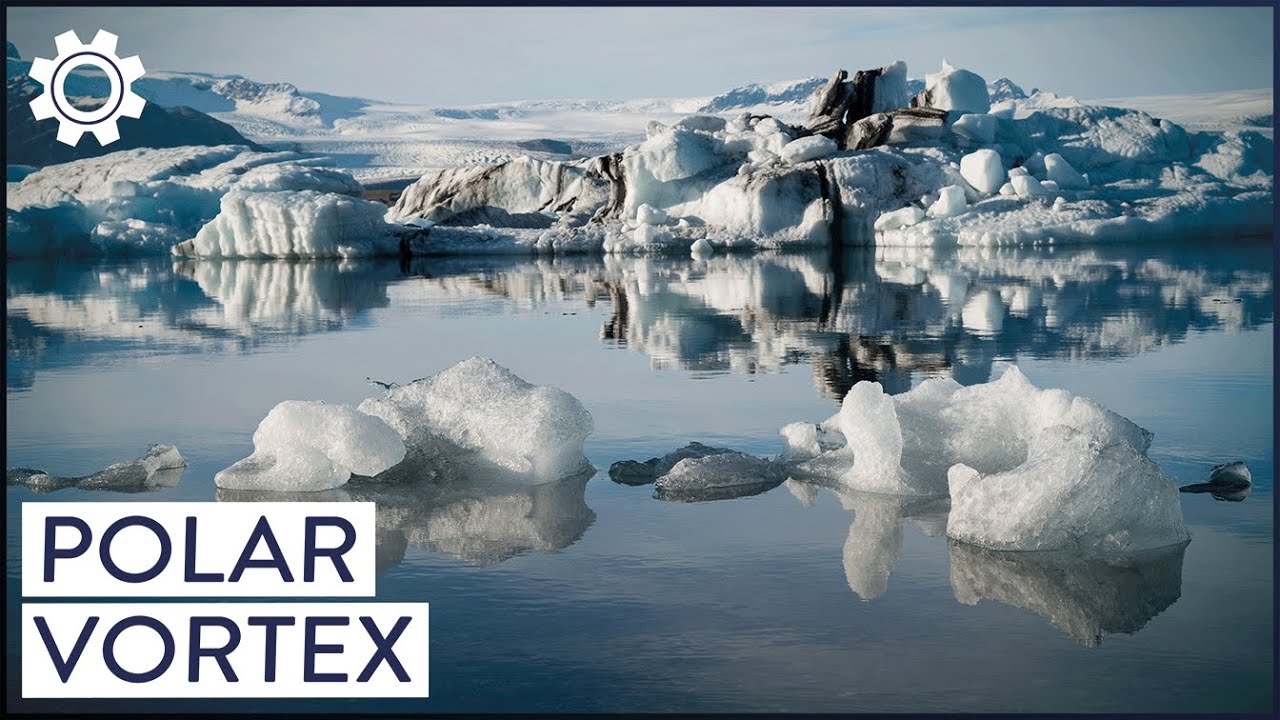
What Makes the Polar Vortex the Most Dangerous Winter Phenomenon?
Keywords
Summary
170 words
Critical Evaluation
Value of the Information & Strength of the Argument
The documentary provides valuable insights into the polar vortex phenomenon, combining scientific explanations with real-world examples and expert commentary. It effectively illustrates the complexity of atmospheric dynamics and the challenges of forecasting extreme weather. The argumentation is generally solid, presenting the polar vortex as a natural phenomenon that can be influenced by climate change, though it acknowledges uncertainties. The use of case studies, such as the 2014 event and the 2018 European cold spell, strengthens the narrative. However, some claims lack direct scientific citations, and the connection between climate change and polar vortex disruptions is presented as a possibility rather than a certainty, which is scientifically appropriate.
Scientific Rigor, Source Quality, Title Accuracy
The documentary features interviews with meteorologists and scientists, lending credibility to the information. It references a study in The Lancet on cold-related deaths, which is a reputable source. However, many specific claims are not directly sourced, and the documentary does not provide a list of references. The title accurately reflects the content, focusing on the polar vortex as a dangerous winter phenomenon. The documentary is well-structured and visually engaging, but it could benefit from more explicit citations to enhance its scientific rigor.
204 words
Title / Content Match
The title accurately reflects the content, focusing on the polar vortex as a dangerous winter phenomenon and explaining its causes and effects.
Quality & Reliability
7/10
The documentary presents a generally accurate overview of the polar vortex, its impacts, and forecasting methods, with input from meteorologists and scientists. However, it lacks detailed citations for many claims and simplifies some complex climate interactions.
Key Moments
Markers derived by PSI from the transcript: the creator did not define chapters.
- Introduction to the polar vortex and its role in the 2014 winter.
- Explanation of the polar vortex structure and the jet stream.
- Discussion of sudden stratospheric warming and its effects.
- Impact of the 2014 polar vortex on the United States, including record cold and disruptions.
- Health risks of extreme cold, including hypothermia and frostbite.
- Tools used to study the polar vortex, including weather balloons, LiDAR, and sail drones.
- Global impacts and the potential link to climate change.
Cited Sources
- The Lancet study on cold-related deaths — Referenced in the documentary to highlight that cold kills more people than heat waves.
Concurring Sources
- NOAA - What is the polar vortex? — Provides authoritative information on the polar vortex, consistent with the documentary's explanations.
Contribution & Novelties
The documentary provides a comprehensive overview of the polar vortex, making complex atmospheric science accessible to a general audience. It combines historical events, scientific explanations, and expert interviews to illustrate the phenomenon’s dangers and the importance of forecasting. The film also highlights the role of advanced technologies like sail drones and LiDAR in monitoring the atmosphere.
Pour aller plus loin :
- Polar vortex - Wikipedia — Provides a detailed scientific overview of the polar vortex.
- Sudden stratospheric warming - Wikipedia — Explains the phenomenon that can disrupt the polar vortex.
- Jet stream - Wikipedia — Discusses the role of the jet stream in weather patterns.
- Climate change and the polar vortex - NOAA — Offers insights into the potential links between climate change and polar vortex disruptions.
127 words
Radar Profile
The radar profile shows high scores in quantity of information and fiabilité, reflecting the documentary's comprehensive coverage and credible expert input. The level of technical detail is moderate, making it accessible to a broad audience. The overall balance indicates a well-rounded and informative presentation.
💬 Sur les 0 commentaires analysés, aucune tendance n'est disponible.