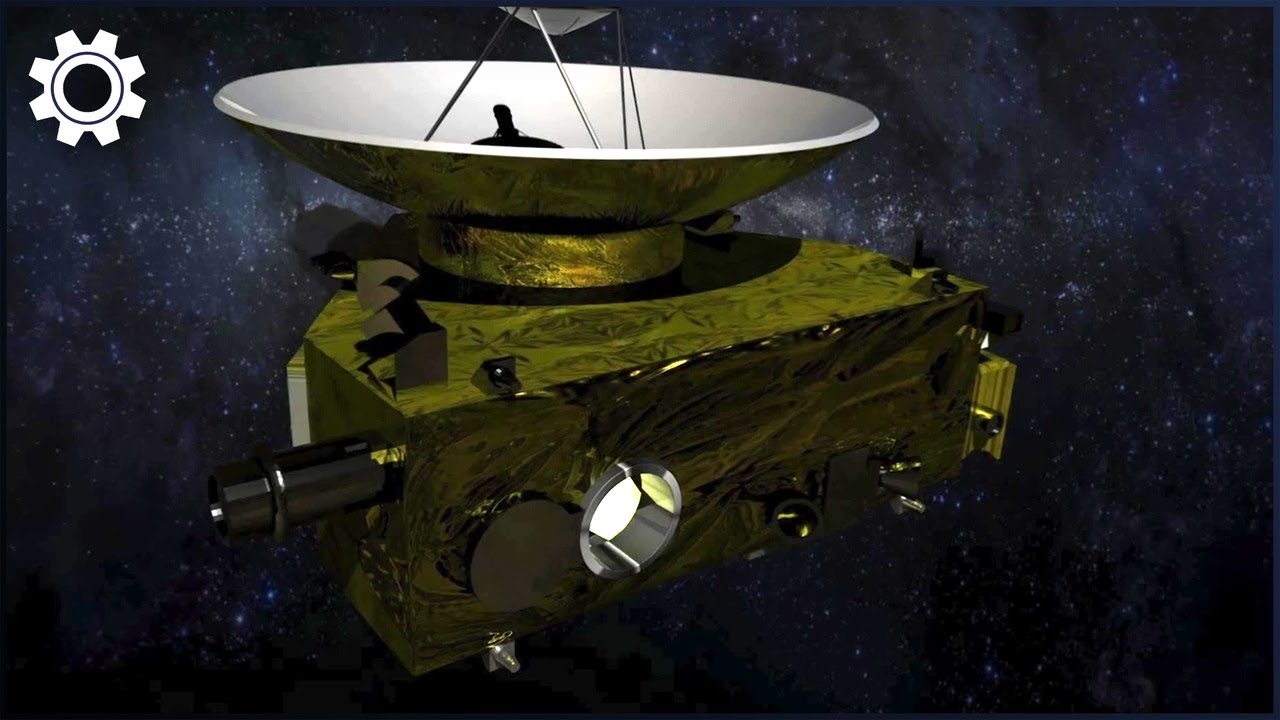
Voyager, Cassini, Juno and New Horizons - NASA's Greatest Space Discoveries
Keywords
Summary
217 words
Critical Evaluation
Value of the Information & Strength of the Argument
The documentary provides a valuable overview of NASA’s major planetary missions, synthesizing decades of scientific discoveries into an engaging narrative. It effectively communicates the significance of these missions in reshaping our understanding of the solar system, from the discovery of active volcanoes on Io to the potential habitability of Enceladus. The argumentation is generally solid, relying on expert interviews and mission data to support its claims. However, it occasionally oversimplifies complex scientific concepts, such as the potential for life on other moons, and does not delve deeply into the methodology or limitations of the findings. The emotional framing, while compelling, sometimes overshadows the scientific details, but overall, the documentary presents a coherent and persuasive case for the importance of these missions.
Scientific Rigor, Source Quality, Title Accuracy
The documentary demonstrates a reasonable level of scientific rigor, with interviews from NASA scientists and engineers who were directly involved in the missions. The information presented is largely accurate and up-to-date as of the time of production. However, the documentary does not provide specific citations or references to scientific papers, which limits its usefulness for those seeking primary sources. The title accurately reflects the content, covering all four missions and their major discoveries. The documentary’s strength lies in its storytelling and visual presentation, but it could benefit from more explicit sourcing to enhance its credibility for a scientifically literate audience.
236 words
Title / Content Match
The title accurately reflects the content, which covers the Voyager, Cassini, Juno, and New Horizons missions and their major discoveries.
Quality & Reliability
7/10
The documentary presents a broad overview of NASA's major planetary missions, featuring interviews with scientists and engineers. While it is generally accurate and well-produced, it lacks detailed citations and occasionally simplifies complex scientific concepts for a general audience. The information is reliable but not exhaustive, and the lack of specific references reduces its scientific rigor.
Key Moments
Markers derived by PSI from the transcript: the creator did not define chapters.
- Introduction to the Grand Tour concept and the alignment of outer planets.
- Voyager 1's discovery of active volcanoes on Io.
- Voyager 2's flyby of Uranus and Neptune.
- Cassini's arrival at Saturn and the Huygens probe landing on Titan.
- Discovery of Enceladus's water geysers and organic molecules.
- Juno's mission to probe Jupiter's interior and the Great Red Spot.
Cited Sources
- NASA Voyager Mission — Official NASA website for the Voyager mission, providing mission overview and updates.
- NASA Cassini Mission — Official NASA page for the Cassini mission, detailing its discoveries and final plunge.
- NASA Juno Mission — Official NASA page for the Juno mission, describing its objectives and findings.
- NASA New Horizons Mission — Official NASA page for the New Horizons mission, including Pluto flyby results.
Concurring Sources
- NASA Voyager Mission — Official NASA website confirming the mission's achievements and current status.
- NASA Cassini Mission — Official NASA page confirming Cassini's discoveries and the Grand Finale.
- NASA Juno Mission — Official NASA page confirming Juno's objectives and early results.
- NASA New Horizons Mission — Official NASA page confirming New Horizons' Pluto flyby findings.
Contribution & Novelties
The documentary synthesizes well-known discoveries from NASA’s flagship missions into a cohesive narrative, emphasizing the human stories behind the science. While it does not present new scientific findings, it offers a compelling and accessible overview that may inspire interest in planetary exploration. Its novelty lies in its storytelling approach, combining archival footage, interviews, and animations to bring the missions to life.
Pour aller plus loin :
- Voyager program — Overview of the Voyager missions and their discoveries.
- Cassini–Huygens — Detailed account of the Cassini mission and its contributions.
- Juno (spacecraft) — Information on the Juno mission’s objectives and instruments.
- New Horizons — Details on the New Horizons mission and the Pluto flyby.
112 words
Radar Profile
The radar profile shows high scores in information quantity and quality, reflecting the documentary's comprehensive coverage and accurate presentation of mission facts. The technical level is moderate, indicating accessibility to a general audience. Overall reliability is strong, supported by official sources and expert interviews.
💬 No comments were provided for analysis.