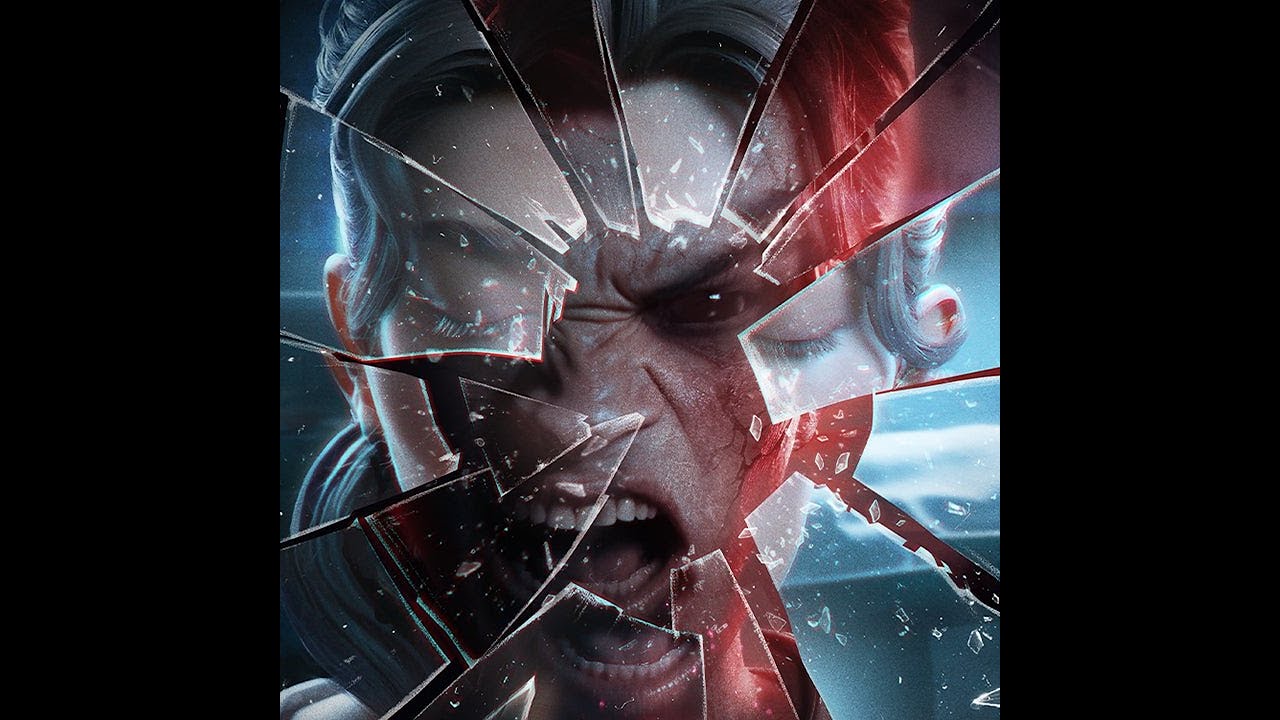
Tech Art on MR Game Shattered | Rohin Knight | NZGDDC 2025
Keywords
Summary
174 words
Critical Evaluation
Value of the Information & Strength of the Argument
The talk provides valuable, practical insights into solving real-world technical challenges in mixed reality development. The speaker explains each technique with clear reasoning and implementation details, often showing early prototypes and discussing the pros and cons of different approaches. The argumentation is solid, as the speaker justifies decisions based on performance requirements (72 FPS) and player experience. The inclusion of scrapped prototypes and lessons learned adds depth and credibility. The talk is well-structured and easy to follow, making it a useful resource for technical artists and developers working on similar projects.
Scientific Rigor, Source Quality, Title Accuracy
The talk demonstrates a high level of technical rigor, with the speaker providing specific details about shader code, texture formats, and workflow. The speaker references the Learn OpenGL website for the spotlight technique and mentions using Bakery GPU lightmapper. However, the talk lacks formal citations or references to academic papers or official documentation. The title accurately reflects the content, and the talk is well-organized. The speaker’s experience and the practical nature of the content enhance its credibility.
183 words
Title / Content Match
The title accurately reflects the content: a technical art presentation on the mixed reality game Shattered.
Quality & Reliability
8/10
The talk is a first-hand technical breakdown by an experienced technical artist, providing specific implementation details and acknowledging limitations. The content is practical and grounded in real project experience, with no apparent misinformation. However, it lacks formal citations and is based on anecdotal evidence.
Key Moments
Markers derived by PSI from the transcript: the creator did not define chapters.
- Introduction and background of the speaker and the game Shattered.
- Overview of item placement systems: room-anchored and pickup items.
- Introduction to custom dynamic lighting techniques: LUT blending, lightmap switching, and custom torch light.
- Explanation of LUTs and how they are used for color grading and dynamic lighting effects.
- Lightmap and light probe switching using scriptable objects.
- Custom torch light implementation based on Learn OpenGL spotlight technique.
- Room extensions and stencil masking techniques.
- Mirror cracks effect using vertex color-based reveal.
- Glass shatter effect using vertex animation textures (VAT) and handling varying window heights.
- Shader plumbing: extending Shader Graph and switching to Amplify Shader Editor.
- Unused prototypes: wall cracks with water, dynamic light flicker, and LUT blending calibration.
- Q&A session: volumetric lighting and DPM materials.
Cited Sources
- Learn OpenGL - Light casters — Referenced as the basis for the custom spotlight technique used for the torch.
- Bakery GPU Lightmapper — Mentioned as the GPU lightmapper used to fix baking artifacts.
- Unity Universal Shader Graph Extensions by Zealist — Used to inject custom code into Shader Graph shaders.
Concurring Sources
- Learn OpenGL - Light casters — The spotlight technique described in the talk aligns with the tutorial on light casters.
Contribution & Novelties
The talk provides a comprehensive, practical overview of tech art techniques specifically for mixed reality games on the Meta Quest 3. It offers unique insights into performance optimization (72 FPS target) and the creative use of LUT blending, lightmap switching, and stencil masking. The discussion of vertex animation textures (VAT) and the solution for handling varying object heights is particularly valuable. The talk also highlights the limitations of Unity’s Shader Graph and the benefits of switching to Amplify Shader Editor, which is a common but rarely discussed workflow.
Pour aller plus loin :
- Vertex Animation Textures — Overview of VAT technique used for baked animations.
- Stencil buffer — Explanation of stencil masking, a core technique used in the talk.
- Lookup table (LUT) — Background on LUTs used for color grading and dynamic lighting.
- Unity Shader Graph — Official documentation for Shader Graph, relevant to the shader plumbing discussion.
148 words
Radar Profile
The radar profile shows high scores across all dimensions, indicating a well-rounded and informative talk. The high technical level and quality of information are balanced by a moderate quantity of information, reflecting the focused scope of the presentation.
💬 No comments were provided for analysis.