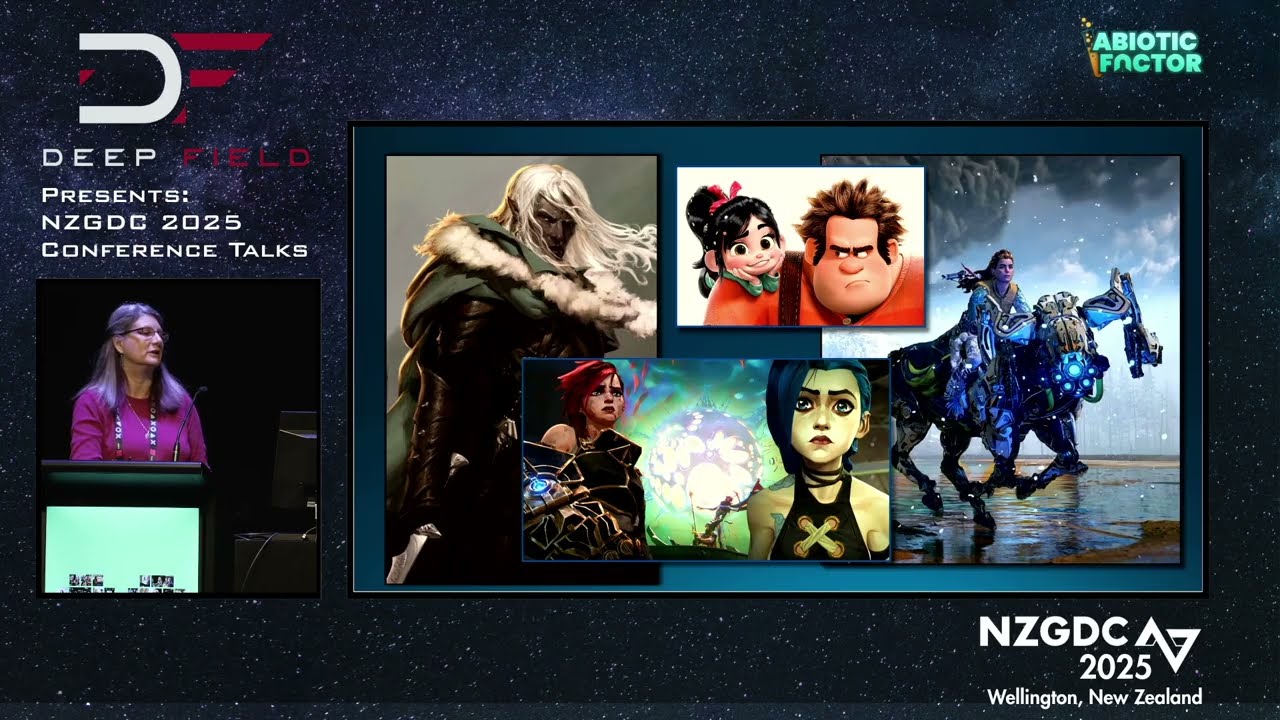
Panel: Delivering A Great Experience A Pre Pre Production Rundown | Rick Stemm | NZGDC 2025
Keywords
Summary
175 words
Critical Evaluation
Value of the Information & Strength of the Argument
The value of the information lies in its practical, experience-based advice from industry veterans. The speakers provide concrete steps for aligning a team around a shared vision, such as creating proto-personas, analyzing market expectations, and using mood boards. They argue that market research, art, and narrative must work together, not in silos, to achieve success. The argumentation is persuasive, grounded in their extensive careers and examples from well-known projects like Dungeons & Dragons and Star Wars. However, the claims about studies determining the success factor are not substantiated with specific references, weakening the scientific rigor. The discussion is more anecdotal than evidence-based, but the practical insights are valuable for game developers.
Scientific Rigor, Source Quality, Title Accuracy
The speakers do not cite specific sources during the talk, but they reference industry studies and their own professional experiences. The title accurately reflects the content: a pre-production rundown for delivering a great game experience. The panel is well-structured, with each speaker covering their discipline and how they collaborate. The lack of formal citations is a limitation, but the expertise of the speakers lends credibility. The talk is aimed at game developers and provides actionable advice, though it does not delve into deep technical detail.
211 words
Title / Content Match
The title accurately reflects the content: a panel discussion on pre-production practices for delivering a great game experience, focusing on shared vision.
Quality & Reliability
7/10
The panel consists of experienced industry professionals (30+ years combined) sharing practical advice based on their work at PikPok, Weta Workshop, and other companies. They reference studies and industry knowledge but do not provide specific citations or data. The advice is anecdotal and experience-based, lacking rigorous scientific backing, but is credible given the speakers' expertise.
Key Moments
Markers derived by PSI from the transcript: the creator did not define chapters.
- Introduction and opening remarks about the importance of shared vision.
- Emma introduces herself and discusses the role of market research in grounding the vision.
- Emma explains the two key artifacts: proto-persona and market analysis.
- Stacy introduces herself and discusses how art direction uses market data.
- Stacy talks about mood boards and art styles as tools for connecting with the audience.
- Rick introduces himself and discusses narrative design and its connection to audience.
- Rick uses Star Wars as an example of successful collaboration and shared vision.
- Rick shares examples from his own projects, like Agent Intercept, and how market research influenced them.
- Conclusion and transition to Q&A.
Contribution & Novelties
The talk provides a practical framework for aligning a team around a shared vision in game development, emphasizing the integration of market research, art, and narrative. It offers actionable steps like creating proto-personas, using mood boards, and testing art styles. The emphasis on collaboration and leaving room for team contributions is a valuable takeaway.
Pour aller plus loin :
- Game Design Document — A foundational document for aligning a team on vision.
- Player Persona — Concept of user personas applied to game development.
- Mood Board — Visual tool for establishing tone and style.
- Market Research in Video Games — Overview of market research practices in the industry.
107 words
Radar Profile
The radar profile shows moderate scores across all dimensions, with slightly higher scores in information quantity and quality, reflecting the practical advice and expertise shared. The lower technical level score indicates the talk is accessible to a broad audience, while the reliability score is moderate due to the lack of formal citations.