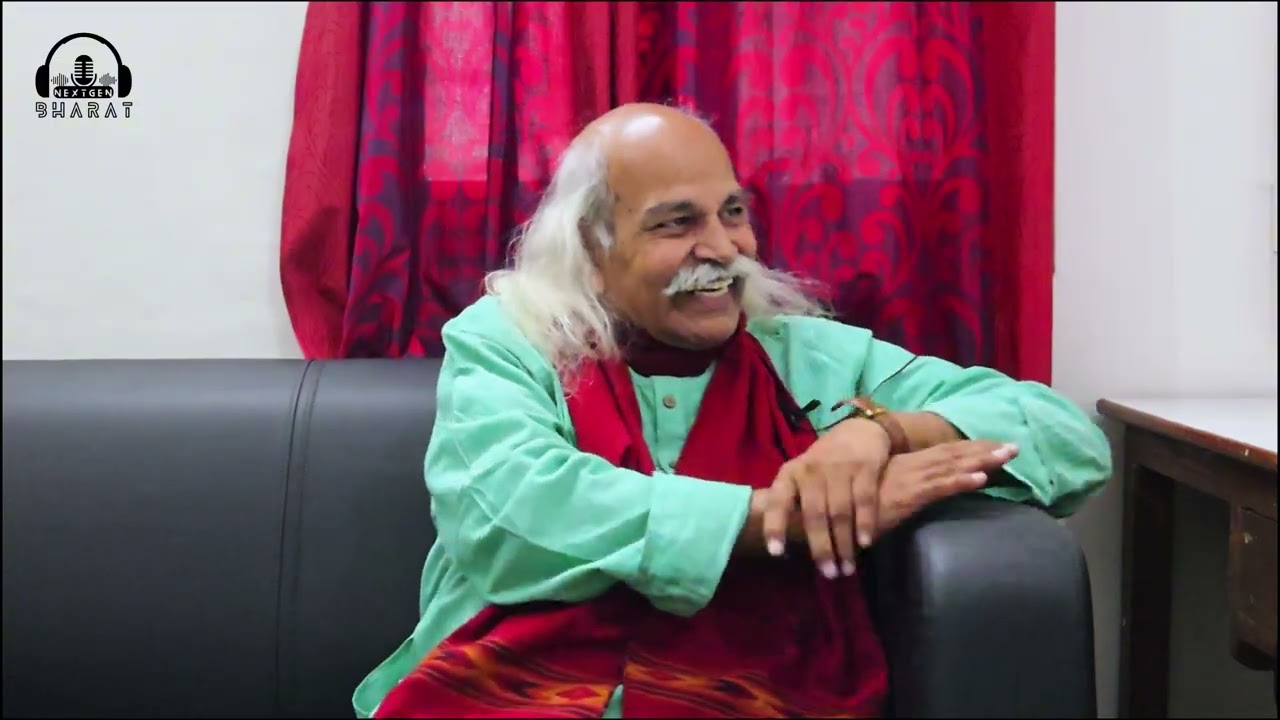
A podast by young students of Madan Mohan Malviya University of Technology, Gorakhpur.
Keywords
Summary
207 words
Critical Evaluation
Value of the Information & Strength of the Argument
The value of the information lies in the credibility and experience of H C Verma, who provides insightful perspectives on education, parenting, and the purpose of learning. His arguments are well-structured and supported by personal anecdotes and examples, such as his own academic journey and the success of his experimental programs. He effectively critiques the coaching culture and the overemphasis on marks, advocating for a more holistic and joyful approach to education. However, the arguments are largely based on personal opinion and anecdotal evidence rather than empirical research, which limits their scientific rigor.
Scientific Rigor, Source Quality, Title Accuracy
The video does not cite specific scientific sources, but the speaker’s authority as a physicist and educator lends credibility to his statements. The title is vague and does not accurately reflect the content, which is a discussion on education and parenting rather than a specific podcast topic. The content is consistent with the speaker’s known views and public engagements, but the lack of citations and empirical data reduces its scientific rigor.
179 words
Title / Content Match
The title is generic and does not reflect the substantive discussion on education and parenting.
Quality & Reliability
7/10
The speaker is a renowned physicist and educator, but the content is largely anecdotal and opinion-based, lacking empirical evidence or citations.
Key Moments
Markers derived by PSI from the transcript: the creator did not define chapters.
- Introduction and first question about parents' role in H C Verma's success.
- Discussion on cultural degradation and shift in goals from societal contribution to material success.
- Explanation of physics as a part of nature, not a separate discipline.
- Advice for teachers to develop passion for their subject, using the analogy of a flute player.
- Discussion on the necessity of coaching and its negative effects on students.
- Advocacy for joy of learning and hands-on experimentation, citing the National Anveshika program.
- Response to question about research in India, addressing funding and potential.
- Debunking the IIT vs non-IIT distinction, stating talent distribution is similar.
- Discussion on AI and the importance of being conversant with it, not fearing it.
Contribution & Novelties
The video offers a unique perspective from a respected physicist on the flaws of the current education system, emphasizing the importance of intrinsic motivation and joy in learning. It provides practical examples of alternative approaches, such as the National Anveshika Experimental Skill Test, which encourages students to conduct experiments at home with simple materials. The discussion on AI is timely, advocating for a proactive and friendly approach rather than fear.
Pour aller plus loin :
- National Anveshika Experimental Skill Test — A program by H C Verma to promote experimental skills.
- Joy of Learning — Concept of intrinsic motivation in education.
- National Education Policy 2020 — Recent policy changes in India’s education system.
113 words
Radar Profile
The radar profile shows high scores in information quantity and quality, reflecting the depth of discussion, but lower scores in technical level and reliability due to the lack of citations and empirical evidence. The overall balance indicates a valuable but opinion-driven content.