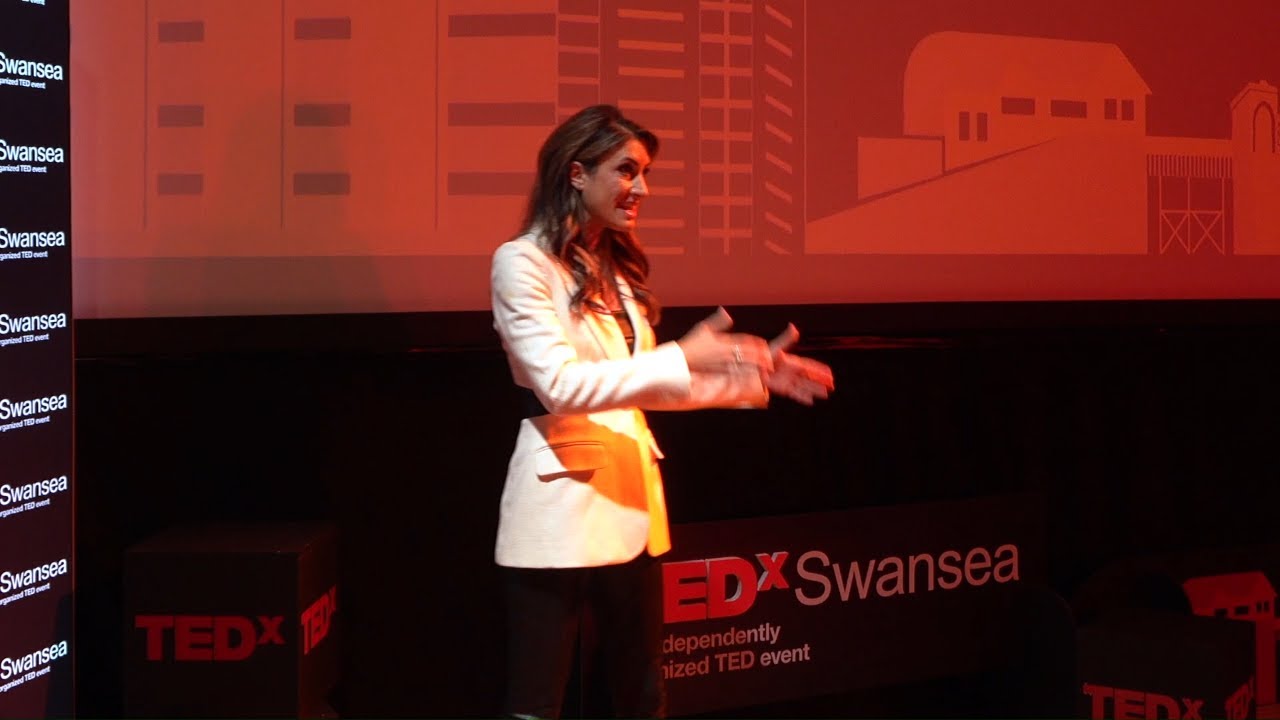
Changing the narrative around trauma | Mandy Morris | TEDxSwansea Women
Keywords
Summary
176 words
Critical Evaluation
The talk presents a compelling and accessible narrative about trauma and healing, grounded in the speaker’s professional experience and personal story. Morris effectively communicates complex psychological concepts in a relatable manner, using metaphors like the ‘hacker installing a virus’ and the ‘purple house’ to illustrate her points. The emphasis on the physiological basis of trauma, referencing the work of Bessel van der Kolk and Joseph LeDoux, adds credibility, though specific citations are lacking. The talk’s strength lies in its practical framework: the ‘rewiring pathway’ of awareness and action, which offers a clear, actionable approach for individuals seeking change. However, the scientific rigor is moderate; several claims about the brain and nervous system are presented without detailed evidence, and the TED disclaimer explicitly notes that some claims lack sufficient scientific support. The speaker’s personal anecdote is powerful but may not be generalizable. The argumentation is coherent, but the talk could benefit from more precise references to studies and a clearer distinction between established science and personal interpretation. The title accurately reflects the content, and the talk successfully challenges common misconceptions about trauma. Overall, it is an inspiring and thought-provoking talk, but viewers should approach the scientific claims with caution and seek additional sources for a more evidence-based understanding.
207 words
Title / Content Match
The title accurately reflects the talk's focus on changing the narrative around trauma, emphasizing a shift in perspective and practical steps.
Quality & Reliability
6/10
The talk is based on the speaker's professional experience and personal story, but includes several scientific claims without precise references. TED's disclaimer notes that some claims lack sufficient scientific support. The speaker cites researchers like Bessel van der Kolk and Joseph LeDoux, but does not provide specific studies. Overall, the content is engaging and practical, but the scientific rigor is moderate.
Key Moments
Markers derived by PSI from the transcript: the creator did not define chapters.
- Introduction: The speaker shares her experience as a therapist and the stigma around trauma.
- The speaker defines trauma as a wound and introduces the concept of the rewiring pathway.
- First misunderstanding: Trauma is not just the big stuff; it includes small moments that shape self-worth.
- Second misunderstanding: Trauma is not what happens to you but what happens inside you; references to van der Kolk.
- Third misunderstanding: You cannot think your way out of trauma; references to LeDoux and the amygdala.
- Personal breakthrough: The purple house story and the realization that the affirmations were for herself.
- The rewiring pathway: Awareness and action as the two crucial elements.
- Client example: A successful musician overcoming panic attacks and limiting beliefs through small actions.
- Conclusion: Healing happens through thousands of small brave decisions; final empowering message.
Cited Sources
- TEDx Content Guidelines — Referenced in the description as guidelines for TEDx organizers.
- TEDx Program — Mentioned in the description as the platform for independently organized TEDx events.
Concurring Sources
- The Body Keeps the Score — Bessel van der Kolk's work supports the idea that trauma is stored in the body.
Dissenting Sources
- TED Disclaimer — The TED disclaimer notes that some claims in the talk lack sufficient scientific support, indicating potential discordance with established scientific consensus.
Contribution & Novelties
The talk offers a fresh perspective on trauma by emphasizing the role of subtle childhood experiences and the importance of both awareness and action in healing. It provides a practical framework (‘rewiring pathway’) that is accessible to a broad audience. The speaker’s personal story adds authenticity and emotional resonance.
Pour aller plus loin :
- The Body Keeps the Score — Bessel van der Kolk’s seminal book on trauma and the body, directly relevant to the talk’s claims.
- Amygdala — The brain region involved in fear responses, as mentioned by the speaker.
- Neuroplasticity — The brain’s ability to reorganize itself, underlying the concept of rewiring.
- Eye Movement Desensitization and Reprocessing (EMDR) — A therapy the speaker is certified in, relevant to trauma treatment.
122 words
Radar Profile
The radar profile shows moderate scores across all dimensions, with slightly higher scores in quantity of information and reliability, but lower in technical level. This indicates a talk that is informative and generally reliable but not deeply technical, suitable for a general audience.
💬 Très positif. Sur les 30 commentaires analysés, tous expriment une appréciation chaleureuse, soulignant l'impact émotionnel et la clarté du message, avec des éloges pour l'authenticité et la compassion de l'oratrice.