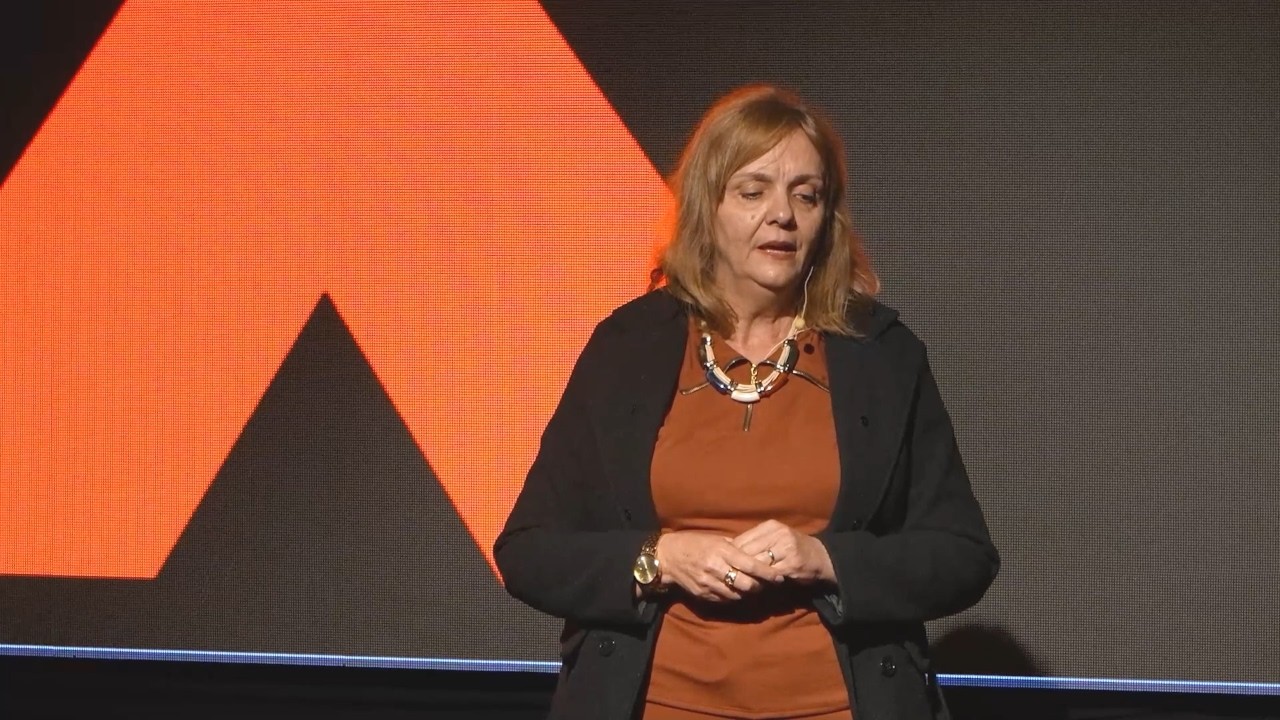
O porão | Sônia Bossolani | TEDxAraraquara
The Basement | Sônia Bossolani | TEDxAraraquara
Keywords
Summary
146 words
Critical Evaluation
Value of the Information & Strength of the Argument
The talk offers a deeply personal and emotional narrative, which provides value in terms of relatable human experience and emotional insight. However, the argumentation is largely anecdotal and lacks scientific grounding. The speaker does not present any empirical evidence or theoretical framework to support her claims about the psychological processes she describes. The reasoning is based on personal reflection and spiritual beliefs, which may resonate with some audiences but does not constitute a rigorous scientific argument. The talk’s strength lies in its authenticity and the universal appeal of its message about self-awareness and forgiveness, but it falls short in providing a structured or evidence-based approach to emotional healing.
Scientific Rigor, Source Quality, Title Accuracy
The talk is a personal testimony rather than a scientific presentation, and it does not cite any external sources or studies. The only reference provided is the general TEDx link, which does not offer specific supporting evidence. The title accurately reflects the content, as the basement metaphor is consistently used throughout the talk. The speaker’s credibility is based on her professional background in social work, but the talk does not draw on academic literature or data. Overall, the scientific rigor is low, and the content is more inspirational than informational.
213 words
Title / Content Match
The title accurately reflects the central metaphor of the talk, which explores the 'basement' as a metaphor for hidden emotional burdens.
Quality & Reliability
5/10
Personal testimony with no verifiable data, sources, or scientific references; relies on anecdotal evidence and spiritual beliefs.
Key Moments
Markers derived by PSI from the transcript: the creator did not define chapters.
- Introduction of the basement metaphor and its significance.
- Personal story of the accident and loss of her niece.
- Realization that she had not fully processed the grief.
- Discovery of guilt as a hidden emotion in her 'basement'.
- Reflection on how blaming others reflects one's own flaws.
- Call to action for self-reflection and emotional 'cleaning'.
Cited Sources
- TEDx Program — General TEDx information, not specific to this talk.
Contribution & Novelties
The talk offers a personal and metaphorical perspective on grief and self-forgiveness, which may provide emotional resonance for viewers. However, it does not introduce new scientific concepts or original research. The value lies in the relatable narrative and the practical suggestion to engage in self-reflection.
Pour aller plus loin :
- Grief — Overview of grief as a psychological process.
- Forgiveness — Psychological and social aspects of forgiveness.
- Self-reflection — The role of introspection in personal development.
76 words
Radar Profile
The radar profile shows low scores across all dimensions, reflecting the talk's anecdotal nature and lack of scientific depth. The highest score is in information quality, but it remains modest, indicating that while the content is coherent, it lacks substantive evidence.