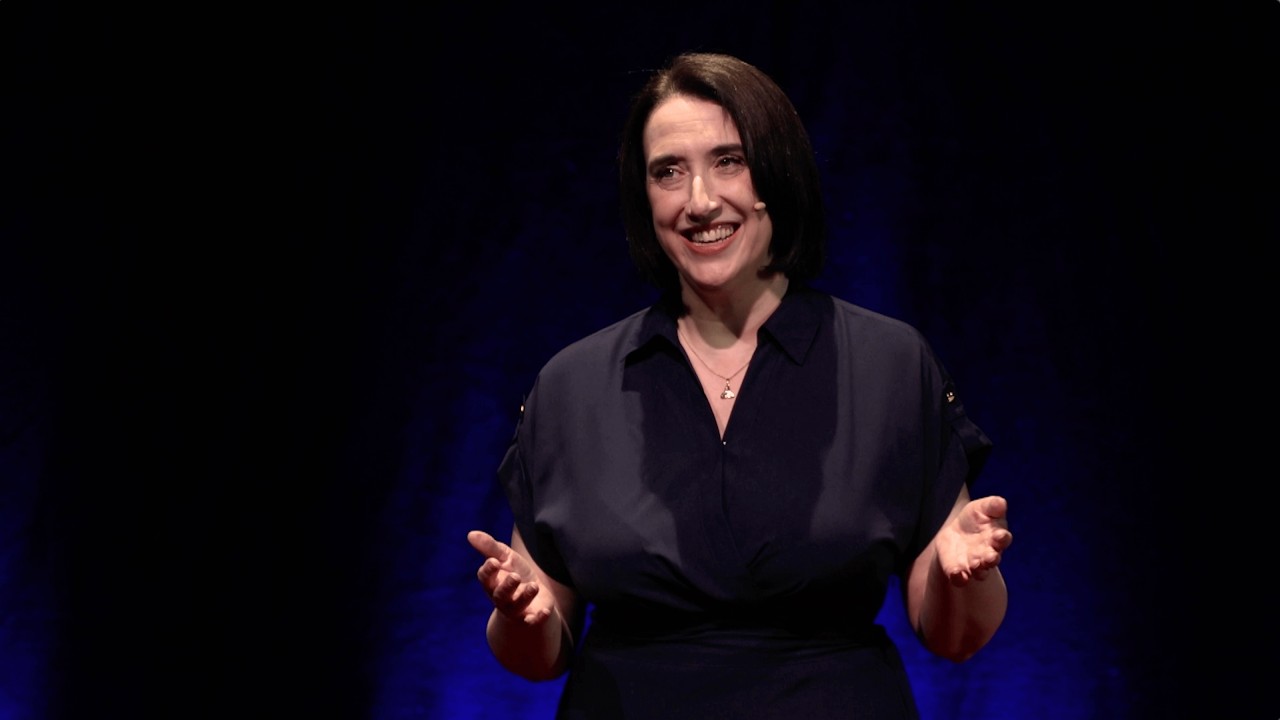
When buildings speak | Molly McCluskey | TEDxBrisbane
Keywords
Summary
179 words
Critical Evaluation
The talk presents a compelling and well-structured argument for the importance of architectural diplomacy in addressing climate change. McCluskey effectively uses the Australian Embassy as a case study, providing specific details about its sustainable features and certifications. She also broadens the scope by mentioning other embassies and citing reports from UNEP and OECD, which lends some credibility to her claims. However, the talk lacks rigorous scientific depth; it relies heavily on anecdotal evidence and personal observations rather than systematic analysis. The speaker’s credentials as a journalist are relevant, but she does not provide detailed citations or data to support her assertions about the impact of sustainable embassies on diplomatic relations. The argument is persuasive but could be strengthened by more concrete evidence and a more critical examination of potential counterarguments. The talk is accessible and engaging, but it may oversimplify the complexities of international relations and the effectiveness of soft power. The adéquation between title and content is strong, as the talk consistently focuses on how buildings communicate. Overall, the talk offers valuable insights and raises awareness about an underappreciated aspect of diplomacy, but it is more of an opinion piece than a rigorous scientific analysis.
196 words
Title / Content Match
The title accurately reflects the content, as the talk focuses on how buildings communicate diplomatic messages.
Quality & Reliability
7/10
The talk is based on the speaker's professional experience as a journalist and her observations of diplomatic buildings. It cites specific examples and mentions reports from UNEP and OECD, but lacks detailed citations or verifiable data. The argument is coherent and plausible, but relies heavily on anecdotal evidence and personal interpretation.
Key Moments
Markers derived by PSI from the transcript: the creator did not define chapters.
- Introduction to global disarray and the need for new diplomatic tools.
- Introduction of architectural diplomacy and the Australian Embassy example.
- Discussion of LEED and Green Star certifications and their significance.
- Data on building sector emissions from UNEP and the need for decarbonization.
- Examples of other sustainable embassies, including Belgian and Swiss.
- The role of embassies as local neighbors and micro-ecosystems.
- Call to action for individuals to become ambassadors of shared spaces.
Cited Sources
- TEDx Talks — The talk was given at a TEDx event, and this is the general TEDx page.
Concurring Sources
- United Nations Environment Programme — UNEP data on building sector emissions aligns with the talk's claims about the sector's environmental impact.
- OECD Climate Action Monitor — OECD report on emissions trends supports the talk's statement about governments losing momentum on climate policy.
Contribution & Novelties
The talk introduces the concept of ‘architectural diplomacy’ as a lens to understand how buildings communicate national values and climate commitments. It provides a novel perspective on soft power and sustainability, using concrete examples from embassies worldwide. The speaker’s background as a journalist adds a practical dimension, and she encourages individuals to see their own buildings as opportunities for change.
Pour aller plus loin :
- Architectural diplomacy — Wikipedia article providing an overview of the concept.
- Soft power — Wikipedia article on soft power, a key concept in international relations.
- LEED certification — Wikipedia article on LEED, the green building certification mentioned in the talk.
- United Nations Environment Programme — Official website of UNEP, which provides data on building emissions.
- OECD Climate Action Monitor — OECD report on climate action progress.
131 words
Radar Profile
The radar profile shows moderate scores across all dimensions, with slightly higher scores in information quantity and quality, and lower in technical level. This indicates a talk that is informative and credible but not highly technical, suitable for a general audience.