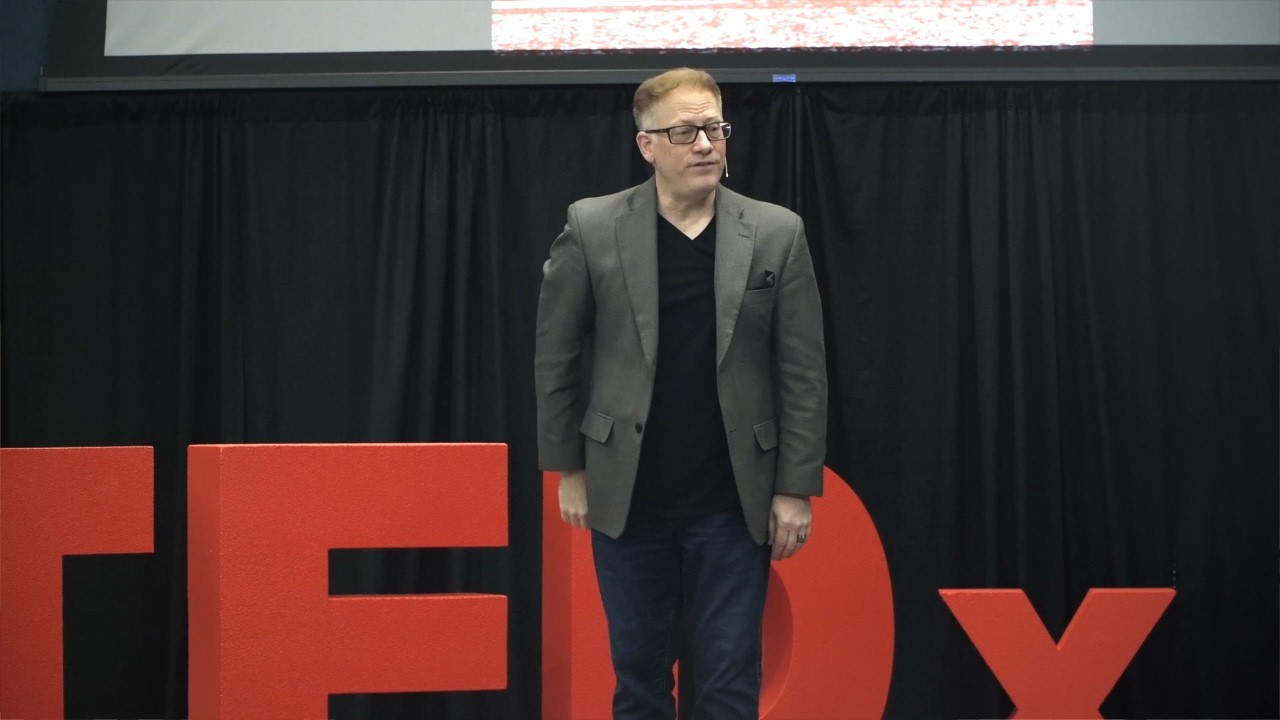
You Didn’t Come This Far to Stop Now | Brian Alementi | TEDxSST Corpus Christi Youth
Keywords
Summary
156 words
Critical Evaluation
The talk is a classic motivational speech, focusing on personal development through the MVP framework (Mindset, Vision, Purpose). While it is engaging and delivered with enthusiasm, its scientific rigor is minimal. The speaker references a study on optimism and longevity but provides no citation, making the claim unverifiable. The argumentation relies heavily on anecdotal evidence and personal experience, which, while relatable, does not constitute robust scientific support. The content is largely generic advice common in self-help literature, offering little new or evidence-based insight. The speaker’s credibility is established through his professional background as a keynote speaker and trainer, but the talk lacks depth in explaining how to practically implement the MVP concepts. The structure is clear, with a logical progression from mindset to vision to purpose, but the ideas are not novel. The use of metaphors, such as the marathon and drumming, aids in engagement but does not add substantive value. The talk’s strength lies in its motivational appeal, which may resonate with audiences seeking inspiration. However, for a scientifically-minded viewer, the lack of sources and empirical evidence is a significant drawback. The title is catchy and aligns with the overall message of perseverance, but it does not accurately reflect the content’s focus on the MVP framework. Overall, the talk is suitable for a general audience seeking motivation, but it falls short of scientific or intellectual depth.
227 words
Title / Content Match
The title aligns with the motivational message of perseverance, though it is more of a slogan than a direct summary of the content.
Quality & Reliability
5/10
The talk is a motivational speech based on personal anecdotes and a vague reference to a study, without specific citations or verifiable data. The scientific basis is weak, and the claims are anecdotal.
Key Moments
Markers derived by PSI from the transcript: the creator did not define chapters.
- Introduction: Speaker sets the stage by asking the audience to imagine their life's finish line.
- Introduction of the MVP concept: Mindset, Vision, Purpose.
- Personal story about running marathons and the t-shirt phrase that inspires him.
- Discussion on mindset and the importance of a positive outlook, referencing a study on optimism and longevity.
- Explanation of vision as direction and the importance of taking the first step.
- Introduction of purpose as the 'why' and passion as fuel.
- Metaphor of drumming to illustrate the rhythm of life and the need to add passion.
- Conclusion: Encouragement to take action and not stop now.
Cited Sources
- TEDx Program — The talk was given at a TEDx event, and the description links to the TEDx program page.
Concurring Sources
- Growth Mindset — The concept of mindset aligns with Carol Dweck's work on fixed vs. growth mindset.
- Optimism and longevity — Research supports the link between optimism and longer life, as mentioned in the talk.
Dissenting Sources
- No specific source — The speaker references a study without providing details, making it impossible to verify.
Contribution & Novelties
The talk offers a simple, memorable framework (MVP) for personal development, but it is not particularly novel. The emphasis on mindset, vision, and purpose is common in motivational literature. The speaker’s personal anecdotes add authenticity but do not provide new scientific insights.
Pour aller plus loin :
- Growth Mindset — Wikipedia article on mindset, relevant to the concept of positive vs. fixed mindset.
- Optimism and longevity — A study on optimism and longevity, providing scientific context for the speaker’s claim.
- Self-determination theory — Relevant to the concepts of purpose and intrinsic motivation.
92 words
Radar Profile
The radar profile shows low scores in technical level and reliability, reflecting the talk's motivational nature and lack of scientific depth. Scores for quantity and quality of information are moderate, indicating some substance but limited novelty.