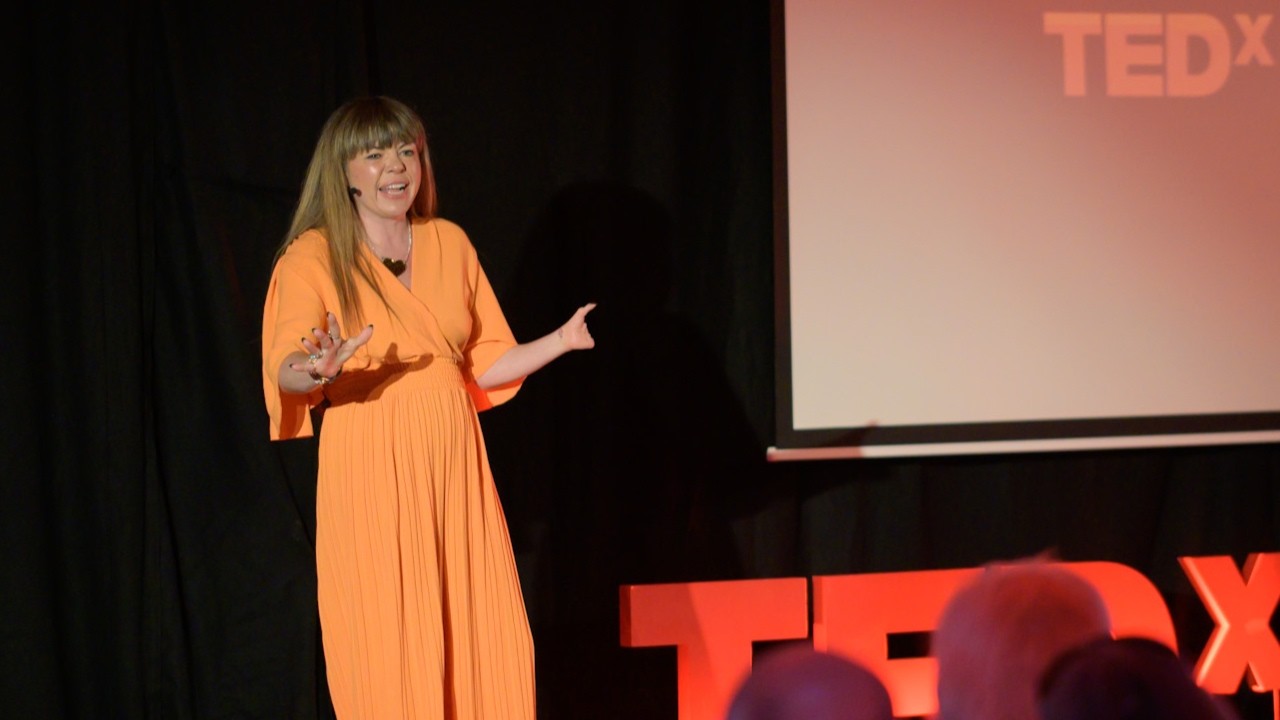
Acceptance breeds acceptance: What a soggy bottom taught me | Briony May Williams | TEDxBristol
Keywords
Summary
140 words
Critical Evaluation
Value of the Information & Strength of the Argument
The talk’s value lies in its authentic personal testimony, which powerfully illustrates the psychological impact of stigma and the transformative power of visibility. The argument is structured around a clear narrative arc: from internalized shame to public exposure and eventual self-acceptance, supported by the psychological principle from Nathaniel Branden that awareness precedes acceptance. The anecdote about the playdate effectively highlights the subtle ways ableism persists, shifting blame onto the disabled person. While the argument is emotionally compelling and logically coherent, it relies primarily on anecdotal evidence and personal experience rather than empirical data or broader sociological analysis, which limits its generalizability.
Scientific Rigor, Source Quality, Title Accuracy
The talk is a personal narrative and advocacy piece, not a scientific presentation. The only explicit source cited is psychotherapist Nathaniel Branden, whose quote about awareness and acceptance is used appropriately. The description provides links to We The Curious and TEDx, which are organizational, not scientific sources. The title accurately captures the core message of reciprocal acceptance. The content is consistent with the speaker’s identity as an advocate and television presenter, and the talk adheres to the TEDx format of sharing ideas. The lack of empirical evidence is typical for this genre and does not undermine the talk’s value as a personal testimony, but it does limit its scientific rigor.
226 words
Title / Content Match
The title accurately reflects the core message: personal acceptance leading to societal acceptance, illustrated by the speaker's experience on Bake Off.
Quality & Reliability
7/10
Personal testimony and advocacy, grounded in lived experience and a clear psychological framework (Nathaniel Branden), but lacking empirical data or systematic evidence.
Key Moments
Markers derived by PSI from the transcript: the creator did not define chapters.
- Speaker introduces her limb difference and the apology at birth.
- Describes her past shame and the catalyst of The Great British Bake Off.
- Contrasts the 1980s lack of representation with today's social media landscape.
- Recounts her grandmother's revelation about her parents' initial depression.
- Explains how Bake Off forced her to confront her disability and led to self-acceptance.
- Shares the story of the mother who avoided a playdate due to her daughter's fear.
- Calls for societal acceptance and emphasizes that disability can affect anyone.
Cited Sources
- We The Curious — Venue for TEDxBristol 2025.
- TEDx — Program under which the talk was organized.
Concurring Sources
- Social model of disability — Supports the idea that disability is socially constructed and acceptance is key.
- Disability Pride — Aligns with the speaker's journey from shame to pride.
Dissenting Sources
- No direct discordant sources — The talk is a personal testimony; no conflicting scientific sources are presented.
Contribution & Novelties
The talk contributes a personal, first-person perspective on disability acceptance, highlighting the role of media visibility in fostering self-acceptance and societal change. It connects individual experience to broader social dynamics, arguing that acceptance is reciprocal and benefits everyone. The novelty lies in the specific narrative of a baking competition as a catalyst for personal transformation, offering a relatable and accessible entry point into disability advocacy.
Pour aller plus loin :
- Social model of disability — Relevant for understanding the distinction between impairment and societal barriers.
- Disability Pride — Explores the movement towards positive disability identity, which the speaker embodies.
- Representation (politics) — Discusses the importance of visibility and representation for marginalized groups.
112 words
Radar Profile
The radar profile shows high scores in qualitative information and reliability, reflecting the authentic personal narrative and clear argumentation. Lower scores in technical level and quantity of information indicate the talk's focus on personal experience rather than empirical data or complex analysis.
💬 No comments were provided for analysis.