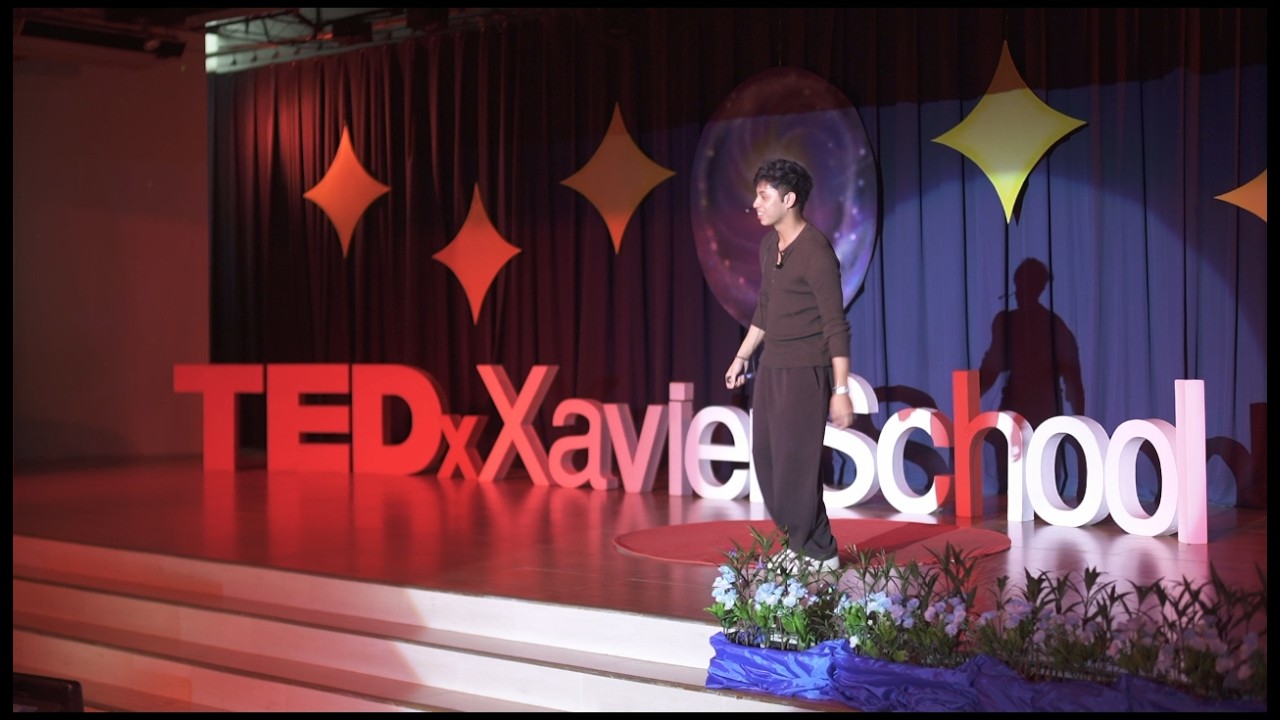
The Role of Young People in Creating Positive Change | Russco Jarviña | TEDxXavierSchool
Keywords
Summary
134 words
Critical Evaluation
The talk is a personal testimony and motivational speech rather than a scientific or evidence-based presentation. The speaker, Russco Jarviña, shares his journey from athlete to content creator, emphasizing the transferable skills of discipline and competitiveness. While his story is relatable and inspiring, the content lacks rigorous argumentation and empirical support. The claims about youth potential and leadership are anecdotal and not backed by research or data. The talk does not cite any studies, experts, or statistical evidence, which significantly reduces its scientific reliability. The structure is informal, with interactive audience engagement, but the core message is generic: ‘be yourself, work hard, and dream big.’ This is a common motivational theme, but it is presented without nuance or critical analysis. The speaker’s credibility is based on his personal success as a content creator, but he does not provide verifiable metrics or external validation. The talk’s strength lies in its relatability and the speaker’s authentic delivery, but it lacks depth and fails to offer new insights or actionable frameworks beyond common advice. The title suggests a focus on the role of young people in positive change, but the talk primarily focuses on individual success and personal branding, with limited discussion of broader social impact. The adéquation between title and content is partial, as the talk touches on youth empowerment but does not systematically explore how young people can create positive change. Overall, the talk is motivational but not scientifically rigorous, making it of limited value for those seeking evidence-based information.
249 words
Title / Content Match
The title accurately reflects the talk's focus on youth empowerment and positive change, though the content is more about personal journey and motivation than a systematic analysis of youth roles.
Quality & Reliability
5/10
The talk is a personal testimony and motivational speech, not a scientific or evidence-based presentation. It lacks verifiable data, citations, or rigorous argumentation. The speaker's credibility is based on personal experience as a content creator, but no external sources are provided. The content is subjective and anecdotal, making it low in scientific reliability.
Key Moments
Markers derived by PSI from the transcript: the creator did not define chapters.
- Introduction and interactive intro with audience.
- Speaker introduces himself as a content creator and college student.
- Discussion of brands he has worked with and his involvement in government advocacy.
- Shares personal story of quitting basketball during pandemic and starting content creation.
- Explains how athlete mindset transferred to content creation.
- Talks about social media as an outlet and the importance of having a voice.
- Advice on understanding who you are and staying true to yourself.
- Encourages dreaming big and obsessing over goals.
- Final advice: 'Be you' and conclusion.
Cited Sources
- TEDx Program — Mentioned in the description as the organizing body for the talk.
Concurring Sources
- TEDx Program — The talk follows the TEDx format, which is designed to share ideas, but this does not validate the content's scientific accuracy.
Contribution & Novelties
The talk offers a personal perspective on how skills from sports can be transferred to content creation, but it does not present novel scientific insights. Its main contribution is motivational, encouraging young people to take initiative.
Pour aller plus loin :
- Youth leadership — Overview of youth leadership concepts and research.
- Growth mindset — Relevant to the speaker’s emphasis on perseverance and improvement.
- Social media influence — Context for the role of content creators in shaping opinions.
77 words
Radar Profile
The radar profile shows low scores across all dimensions, indicating a talk that is low in information quantity, quality, technical depth, and reliability. It is primarily motivational and personal, with little scientific substance.