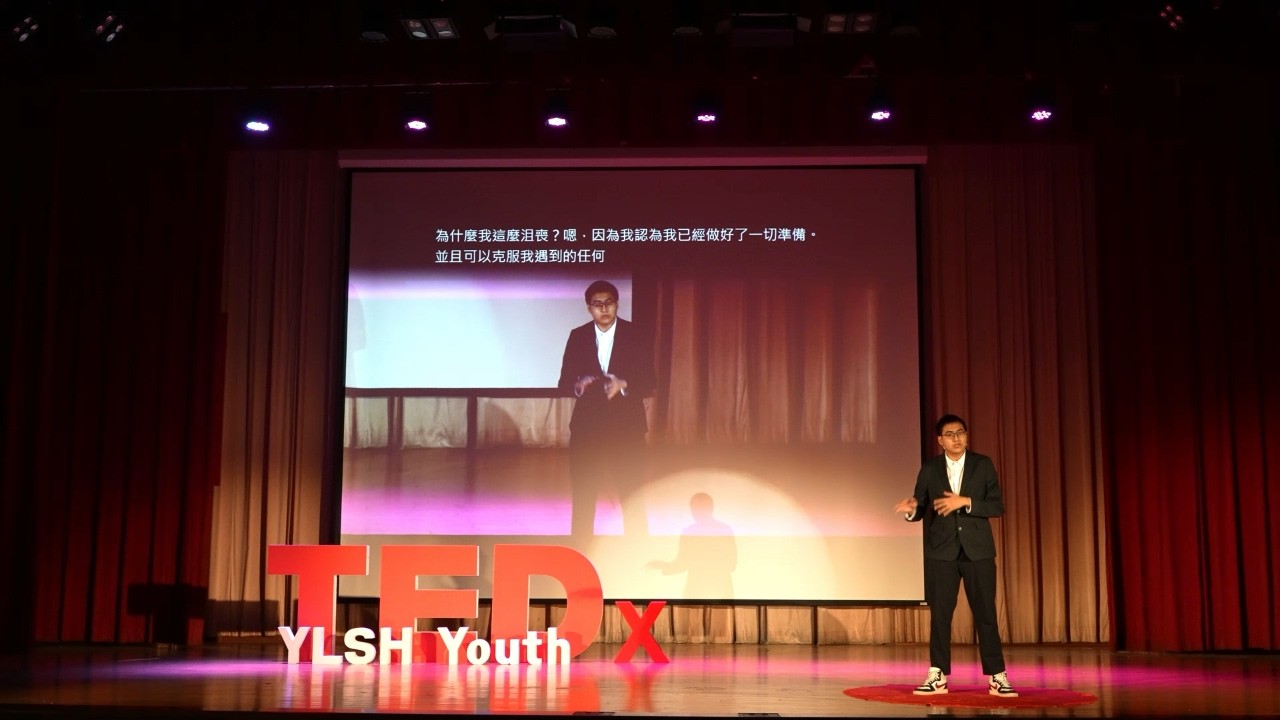
Jay Hsu 許捷元 | 捷元 許 | TEDxYLSH Youth
Keywords
Summary
175 words
Critical Evaluation
Value of the Information & Strength of the Argument
The talk’s value lies in its authentic personal narrative, which effectively illustrates the transformative power of regret. Hsu’s argument is built on concrete examples from his own life, making it relatable and compelling. He clearly contrasts his initial mindset of winning at all costs with a more growth-oriented approach, showing how regret led to a shift in perspective. The argumentation is coherent and logically structured, moving from specific anecdotes to broader life lessons. However, the talk relies solely on anecdotal evidence and lacks any reference to psychological research or established theories on regret and personal development, which limits its scientific rigor.
Scientific Rigor, Source Quality, Title Accuracy
The talk is a personal testimony and does not cite any external sources, which is typical for TEDx talks of this nature. The only link provided is the general TEDx page, not specific to the content. The title is minimal and does not convey the talk’s theme, but the description provides context. The content is consistent with the title and description, focusing on the speaker’s personal story. The lack of external sources is a limitation for scientific credibility, but the talk’s purpose is inspirational rather than academic.
203 words
Title / Content Match
The title is minimal, but the content aligns with the speaker's personal story as presented in the description.
Quality & Reliability
6/10
Personal testimony with clear narrative and reflective insights, but lacks external sources or scientific backing. The speaker's achievements are plausible but unverifiable within the talk.
Key Moments
Markers derived by PSI from the transcript: the creator did not define chapters.
- Introduction: Jay Hsu introduces himself as an alumnus and lists his English achievements.
- Defines regret and its negative connotation, but proposes to shift perspective.
- First story: Recounts the struggle to recruit members for the IBC club and the initial frustration.
- Realization: The importance of catering to the audience in public speaking, a lesson from the club experience.
- Second story: Describes the preparation and high expectations for the national English debate.
- The failure at nationals: Losing all matches, feeling depressed and emotionally numb.
- Reflection: Realizing that focusing on winning overshadowed the valuable experience and connections.
- Second attempt: With a changed mindset, he wins the national debate and attributes success to learning from past regrets.
- Conclusion: Encourages students to embrace opportunities and learn from regrets, ending with a motivational quote.
Cited Sources
- TEDx Program — General information about TEDx events, as mentioned in the video description.
Concurring Sources
- Growth Mindset — Carol Dweck's research on fixed vs. growth mindset aligns with the speaker's shift from a fixed focus on winning to a growth-oriented approach.
- Post-Traumatic Growth — The concept of post-traumatic growth parallels the speaker's experience of turning a painful failure into a foundation for future success.
Dissenting Sources
- Regret and Well-being — While the speaker frames regret as positive, some psychological research suggests that chronic regret can be detrimental to well-being, offering a contrasting view.
Contribution & Novelties
The talk offers a personal and relatable perspective on the role of regret in personal growth, particularly for high school students. It emphasizes that regret can be a catalyst for change rather than something to avoid. The speaker’s story of transforming a painful failure into a future success is inspiring and provides a practical example of a growth mindset.
Pour aller plus loin :
- Growth Mindset — Wikipedia article on Carol Dweck’s concept of fixed vs. growth mindset, which underpins the speaker’s message.
- Post-Traumatic Growth — Wikipedia article on the psychological concept of positive change following adversity, relevant to the speaker’s experience.
- Regret (emotion) — Wikipedia article on the psychology of regret, providing a scientific background to the talk’s theme.
120 words
Radar Profile
The radar profile shows moderate scores across all dimensions, with a slight peak in quality of information and a low in technical level. This reflects a talk that is personally insightful but not scientifically rigorous, and accessible to a general audience.
💬 No comments were provided for analysis.