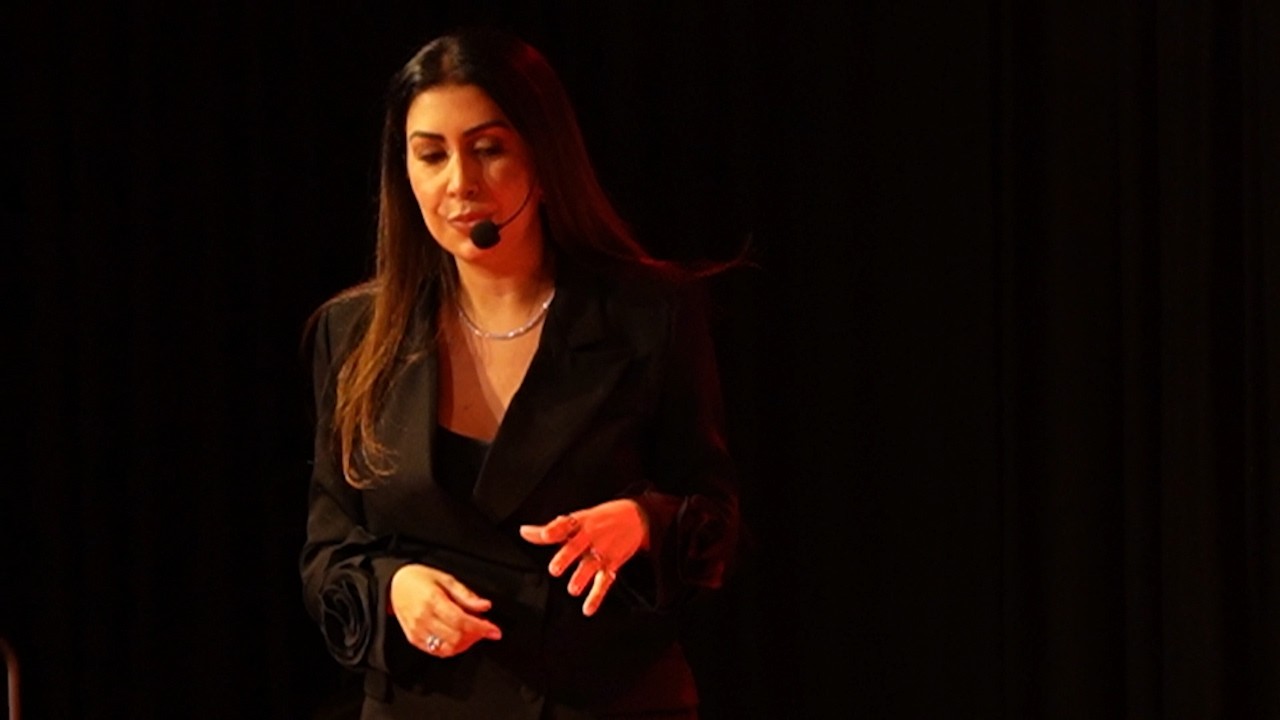
O abandono que ninguém percebe | Ariane Russo | TEDxSão José do Rio Preto Women
Keywords
Summary
151 words
Critical Evaluation
Value of the Information & Strength of the Argument
The talk’s value lies in its motivational and awareness-raising aspect, highlighting the importance of self-care and physical activity for long-term health. However, the argumentation is based on anecdotal evidence and personal narratives rather than scientific data. The speaker uses emotional storytelling to convey her message, which may resonate with the audience but lacks empirical support. The claim that ‘old age begins at 30’ is a simplification that could be misleading without proper context. The talk does not provide specific, actionable advice beyond general encouragement to exercise, and it does not address potential barriers or nuances such as medical conditions that limit physical activity.
Scientific Rigor, Source Quality, Title Accuracy
The talk does not cite any scientific sources, studies, or references. The only link provided is to the TEDx program, which is not a source of scientific information. The speaker’s credentials are mentioned but not verified. The title accurately reflects the content, which is about the unnoticed self-abandonment and its impact on health. The talk is more of a motivational speech than a scientific presentation, and its scientific rigor is low. There are no comments provided to analyze.
196 words
Title / Content Match
The title accurately reflects the content, focusing on the unnoticed self-abandonment and its consequences on health and well-being.
Quality & Reliability
5/10
The talk is a personal narrative and motivational speech, not a scientific presentation. It lacks citations, data, or references to research, and relies on anecdotal evidence and emotional appeal. The speaker's credentials are mentioned but not substantiated with verifiable sources.
Key Moments
Markers derived by PSI from the transcript: the creator did not define chapters.
- Introduction: Ariane Russo recounts meeting a woman who asks for help to lose weight.
- Russo describes the woman's exhaustion and self-neglect, and her initial assessment.
- The woman's transformation over five years, and her admission that she considered giving up daily.
- Russo poses the question 'Have you squatted today?' and explains the functional importance of squatting.
- Russo tells the second story of meeting an 80-year-old bedridden woman who is her future self.
- The future self warns: 'If you don't give up on yourself, you will never be like me.'
- Russo emphasizes that aging begins at 30, and that daily choices determine future independence.
- Conclusion: Repeats the question 'Have you squatted today?' and thanks the audience.
Cited Sources
- TEDx Program — Mentioned in the description as the organizing body for the talk.
Contribution & Novelties
The talk offers a motivational perspective on self-care and physical activity, using personal anecdotes to illustrate the concept of ‘silent abandonment.’ It does not present new scientific findings but rather a call to action for women to prioritize their health. The novelty lies in the narrative approach, particularly the imagined encounter with a future self, which serves as a powerful emotional device.
Pour aller plus loin :
- Physical activity guidelines for adults — WHO guidelines on physical activity for health.
- Sarcopenia — Age-related loss of muscle mass and function, relevant to the talk’s emphasis on maintaining strength.
- Self-compassion and health — Research on self-compassion and its link to health behaviors, related to the theme of self-abandonment.
116 words
Radar Profile
The radar profile shows low scores across all dimensions, reflecting the talk's lack of scientific depth and reliance on anecdotal evidence. The highest score is in 'fiabilite_globale' (3), still low, indicating that while the speaker is credible, the content lacks verifiable support. The talk is more motivational than informative, with minimal technical content.