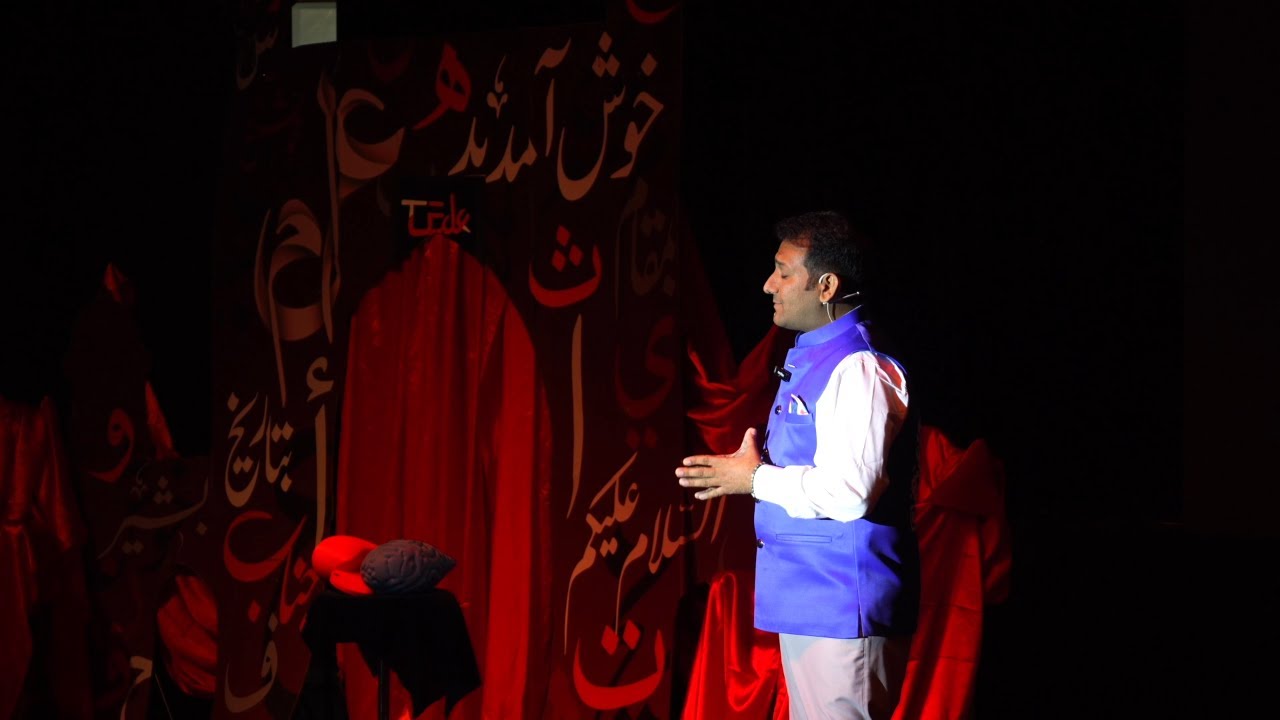
The Productive Mindset: Why Alignment Matters More Than Achievement | Sagar Amlani | TEDxAMU
Keywords
Summary
169 words
Critical Evaluation
The talk offers a compelling narrative about the importance of alignment over achievement, but its scientific rigor is limited. The speaker, Sagar Amlani, presents personal anecdotes and a historical reference (Pullman Strike) to support his claims, but he does not cite specific studies or data. The claim that ‘8 out of 10 people’ face fear is presented without methodology or source, which weakens its credibility. The psychological concepts mentioned (fear, stress, alignment) are well-known, but the talk does not delve into established theories or research. The argumentation is more inspirational than evidence-based, relying on emotional appeal and personal experience. The talk’s strength lies in its relatable message and practical implications for individuals and organizations. However, for a scientific evaluation, the lack of citations and empirical support is a significant drawback. The title accurately reflects the content, and the talk is well-structured, but it does not offer novel insights beyond common self-help advice. The speaker’s credentials as a ‘Productivity Explorer’ and author are mentioned but not substantiated. Overall, the talk is engaging and thought-provoking, but it should be viewed as an opinion piece rather than a scientifically rigorous analysis.
188 words
Title / Content Match
The title accurately reflects the core message: alignment over achievement. The talk consistently emphasizes this theme.
Quality & Reliability
6/10
The talk presents a personal perspective and anecdotal evidence rather than rigorous scientific research. It references historical events and general psychological concepts but lacks citations to specific studies. The speaker's credentials are mentioned but not verified. Overall, the content is plausible but not scientifically robust.
Key Moments
Markers derived by PSI from the transcript: the creator did not define chapters.
- Introduction: The paradox of achievement and stress.
- Reference to Pullman Strike as evidence of breaking points.
- Personal story: Mumbai floods and fear-driven choices.
- Research findings: 8 out of 10 people perform out of fear.
- Explanation of misalignment causing chronic stress.
- Solution: Aligning choices with context to achieve productive mindset.
- Call to action: Build teams that perform without fear.
Cited Sources
- TEDx Talks — Platform for the talk.
- Aamir Hussain's LinkedIn Profile — Organizer of the event.
- Lakhan Varshney's LinkedIn Profile — Partnerships.
Concurring Sources
- TEDx Talks — Platform for the talk.
Contribution & Novelties
The talk offers a personal perspective on productivity, emphasizing alignment over achievement. It introduces the concept of ‘productive mindset’ as a space where choices align with context. While not scientifically novel, it provides a relatable framework for individuals seeking fulfillment. The talk’s contribution is more motivational than academic.
Pour aller plus loin :
- Self-determination theory — Explores intrinsic motivation and alignment with values.
- Job demands-resources model — Relevant to burnout and engagement.
- Ikigai — Japanese concept of purpose and alignment.
80 words
Radar Profile
The radar profile shows moderate scores across all dimensions, with a slight peak in quality of information and a dip in technical level. This reflects a talk that is accessible and engaging but lacks deep scientific depth.
💬 No comments provided.